Hormuz Escalation: Trump Issues ‘Shoot to Kill’ Order as US Seizes Second Iranian Tanker
تنش در هرمز: فرمان «شلیک به قصد کشت» ترامپ و توقیف دومین نفتکش ایرانی توسط آمریکا
President Trump has authorized lethal force against any vessel mining the Strait of Hormuz, while the US Navy confirms the seizure of a second Iranian oil tanker. Meanwhile, internal shifts in Tehran see a new 'Council of Generals' taking the reins of power.
At time of publishing
USD
154,050
Toman
Gold 18K
17.76M
Toman / gram
Trump’s ‘Shoot to Kill’ Mandate and the Maritime Siege
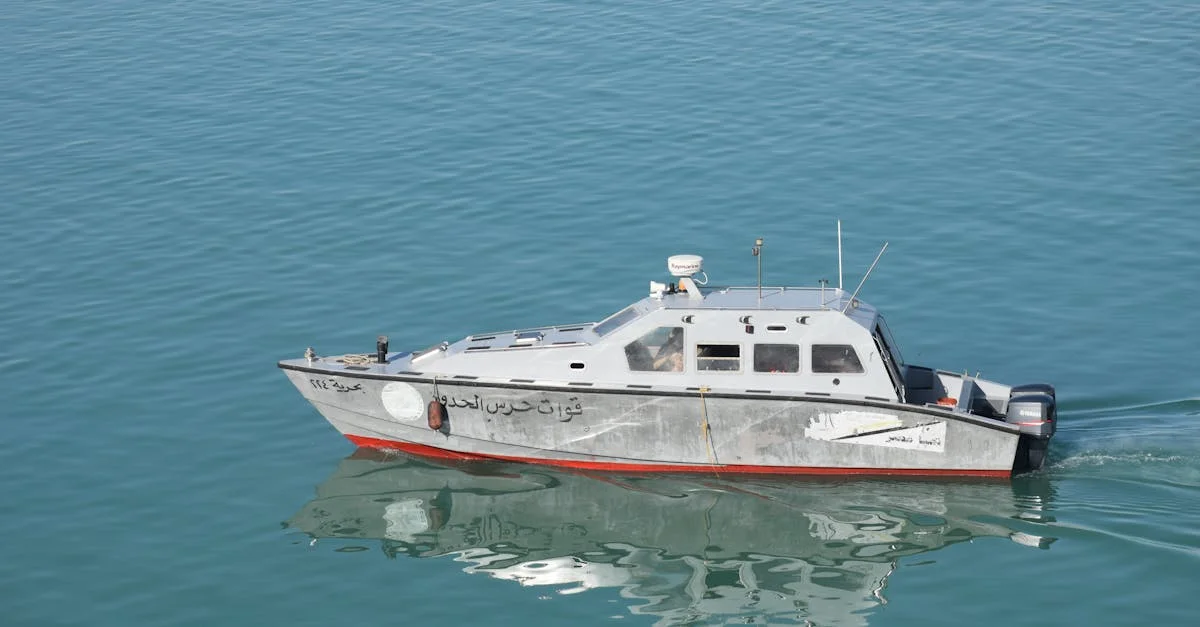
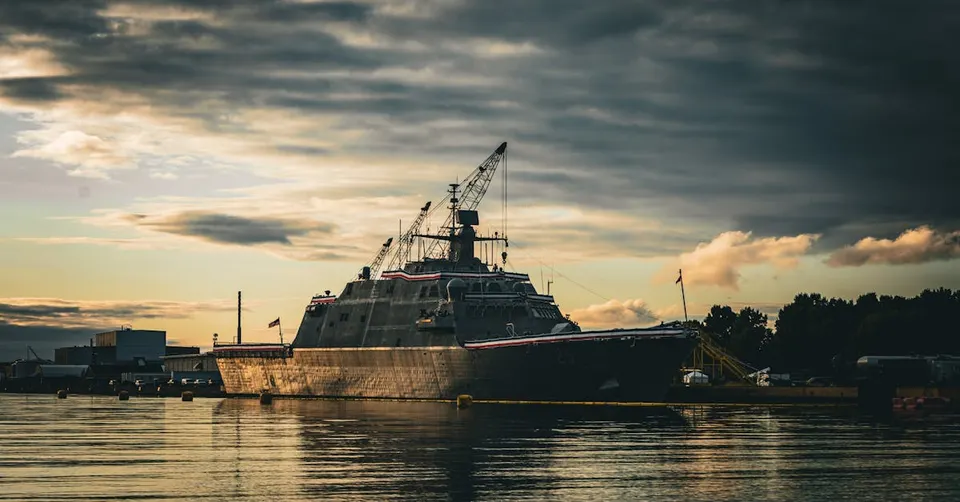
In a dramatic escalation of the ongoing maritime standoff, President Donald Trump has issued a direct order to the US Navy to "shoot and kill" any Iranian boats observed laying mines in the Strait of Hormuz. This directive comes as the Pentagon confirms US destroyers have successfully boarded and seized a second tanker carrying Iranian oil, a move designed to tighten the noose on Tehran’s primary revenue stream. Trump’s rhetoric, characterized by claims of "total control" over the waterway, has sent shockwaves through global shipping hubs, even as the Iranian leadership maintains that reopening the strait is "impossible" due to what they describe as flagrant ceasefire breaches by Western forces.
The resignation of Navy Secretary John Phelan, which occurred just hours before these orders were publicized, suggests a possible friction within the administration over the rules of engagement. However, the White House appears undeterred, pivoting toward a maximum-pressure tactic that blends economic blockade with the threat of immediate kinetic action. For global markets, this means the risk premium on oil remains stubbornly high, as the prospect of a hot war in the world's most critical energy chokepoint shifts from a theoretical risk to an active operational reality.
The Rise of the Generals: Tehran’s New Power Structure
Following the passing of Ayatollah Ali Khamenei, the internal political landscape of Iran has undergone a seismic shift, moving away from traditional clerical oversight toward a collective leadership dominated by the Revolutionary Guard’s top brass. According to recent intelligence reports, a group of high-ranking generals is now effectively running the country’s strategic and military affairs. This transition explains the increasingly aggressive posture in the Persian Gulf; the military leadership is less concerned with the diplomatic nuances that once occupied the Foreign Ministry and is instead focused on leveraging the Hormuz blockade as their primary survival mechanism.
This new "Council of Generals" appears to be consolidating power rapidly, silencing dissent and focusing national resources on asymmetric warfare and drone technology. The recent deals signed by Ukraine’s President Zelensky to help Gulf nations defend against these very drones highlight how localized Iranian military tech has become a global security concern. For the average Iranian, this shift suggests a period of heightened domestic security and a continued focus on military self-reliance, even as the economy remains under the crushing weight of a total naval blockade.
The AI Money Squeeze and Market Realities
While the world watches the Persian Gulf, a different kind of crisis is unfolding in the tech sector: the "AI money squeeze." Millions of users of tools like OpenClaw have found their access restricted as major labs like Anthropic move to protect their computational resources and demand higher fees. The era of nearly-free, high-performance AI agents is rapidly coming to an end as the massive costs of training and inference finally catch up with venture capital promises. This shift is mirrored in the broader investment landscape, where capital is rotating out of failed sectors like Web3 gaming—which saw over 90% of projects fail despite $15 billion in funding—and into more utilitarian AI and real-world asset infrastructure.

In the local Iranian markets, the currency remains in a state of tense equilibrium. The USD sell rate is holding steady at 154,050 Toman, showing a 0.0% change over the last 24 hours as the market processes the latest military threats. Gold, however, has seen a minor retreat; 18k gold fell from 17,779,445 to 17,761,900 Toman (-0.1%), while the Emami coin dropped from 177,000,000 to 176,000,000 Toman (-0.6%). This slight cooling in gold prices despite the geopolitical heat suggests that some local liquidity is being sidelined or moved into more defensive positions as traders wait to see if Trump’s "shoot to kill" order translates into actual combat.
Quantum Threats and the Future of Crypto
In the cryptocurrency space, a new debate has emerged regarding the "quantum threat" to Bitcoin. While critics have long argued that quantum computing could crack early Bitcoin wallets, new analysis suggests the risk is manageable and not existential. The market seems to agree, focusing more on immediate liquidity issues than future technological doomsdays. However, specific assets like XRP have felt the pressure of the broader market mood, slipping 2.5% amid delays in ETF approvals and general profit-taking across the board.
As the week progresses, the intersection of military action in the Middle East and the tightening of global liquidity will define the next leg of the market's journey. Investors are advised to watch the headlines for any actual engagement in the Strait, as a single shot fired could send the USD/Toman rate and global oil prices into a new, unpredictable territory. For now, the world waits on the edge of a knife, balanced between a fragile peace and the beginning of a much larger conflict.
Watch
How Is Iran’s Strait of Hormuz Blockade Impacting Global Shipping in April 2026?
Daily Q&A
Frequently Asked Questions
What does Trump's 'shoot to kill' order actually mean for shipping?
Who is currently leading Iran after recent political shifts?
Why is the price of gold falling despite the threat of war?
What is the 'AI money squeeze' mentioned in the reports?
Understanding Geopolitical Choke Points: The Strait of Hormuz
Geopolitical choke points are narrow maritime passages that are critically important for international trade, particularly the transit of energy resources like oil and natural gas. Their strategic significance stems from the fact that a large volume of global commerce must pass through these confined waterways, making them vulnerable to disruption and potential leverage in international relations. Control or even the threat of disruption at a choke point can have far-reaching economic and political consequences, impacting global supply chains, energy prices, and geopolitical stability.
The Strait of Hormuz, connecting the Persian Gulf to the open ocean, is arguably the most vital oil transit choke point in the world. Situated between Iran and Oman, it is a mere 21 nautical miles wide at its narrowest point, yet it facilitates the passage of roughly one-fifth of the world's total petroleum consumption. Tankers carrying crude oil and refined products from major producers like Saudi Arabia, Iran, UAE, Kuwait, and Iraq must navigate this strait to reach markets in Asia, Europe, and the Americas. This immense volume of traffic underscores its indispensable role in global energy security.
The recent headlines regarding escalated tensions in the Strait of Hormuz, including tanker seizures and military posturing, directly illustrate the concept of a geopolitical choke point in action. When a major power like the United States issues “shoot to kill” orders or when Iranian tankers are seized, it highlights the strategic importance of this waterway and the potential for any disruption to trigger a global crisis. Such actions are often aimed at asserting dominance, enforcing sanctions, or retaliating against perceived aggressions, all leveraging the inherent vulnerability of this critical passage.
Disruptions, whether from conflict, piracy, or environmental disasters, can lead to significant spikes in oil prices, impact global economies, and even provoke military interventions. Therefore, the stability and free navigation through choke points like the Strait of Hormuz are paramount for international trade and energy security. Understanding these strategic bottlenecks is crucial for comprehending the dynamics of global power, economic vulnerabilities, and the potential flashpoints for international conflict.