Hormuz Escalation: Trump Issues ‘Shoot to Kill’ Order as US Seizes Second Iranian Tanker
تنش در هرمز: فرمان «شلیک برای کشتن» ترامپ و توقیف دومین نفتکش ایرانی توسط آمریکا
Tensions in the Strait of Hormuz have reached a fever pitch as President Trump authorizes lethal force against mine-laying vessels, while the UN warns that the blockade could plunge 30 million people into poverty.
At time of publishing
USD
154,050
Toman
Gold 18K
17.74M
Toman / gram
The 'Shoot to Kill' Doctrine in the Strait
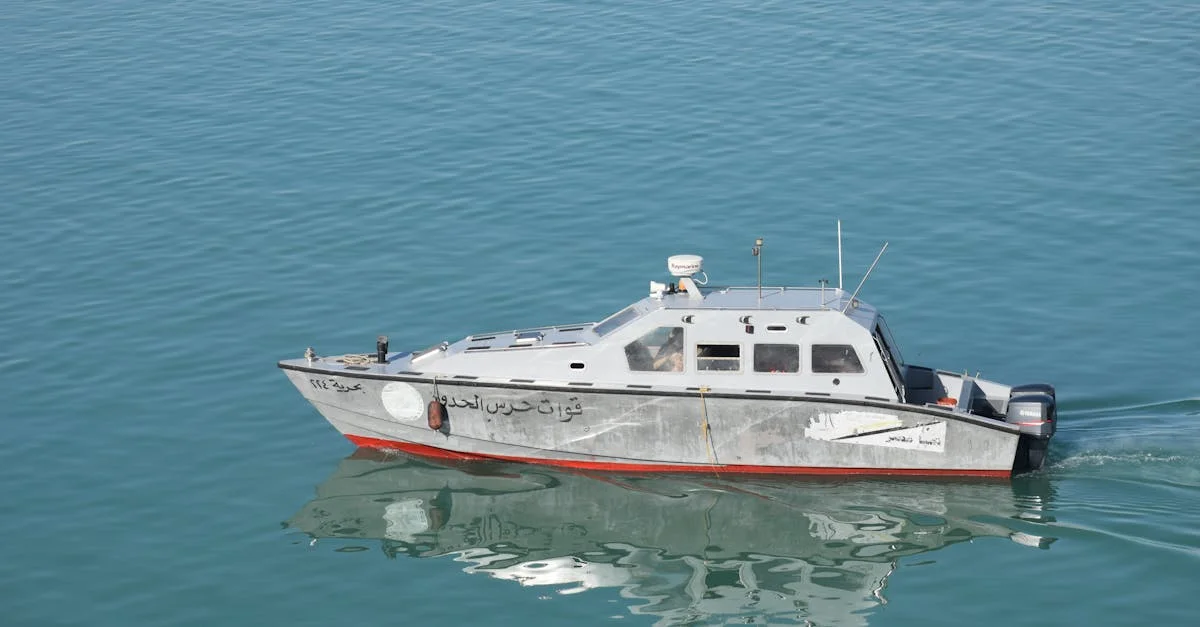
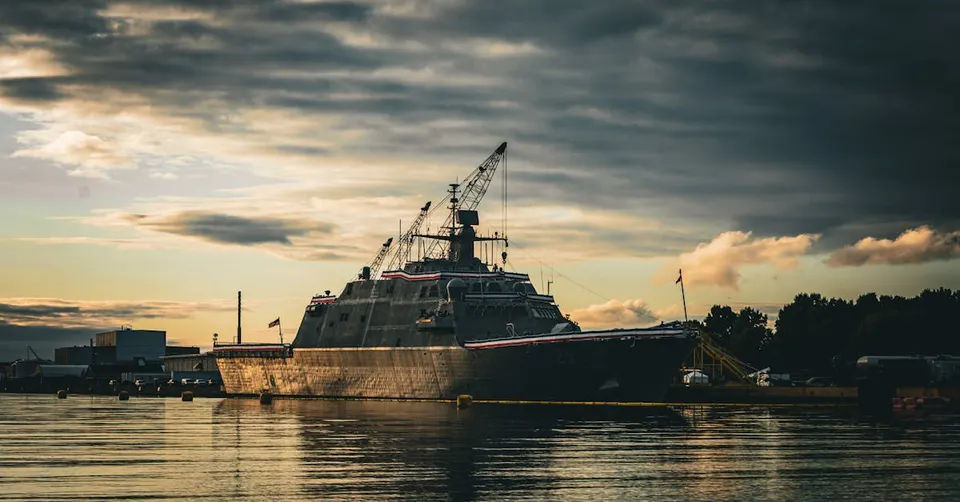
President Donald Trump has dramatically escalated the maritime standoff in the Middle East by issuing a direct 'shoot to kill' order to U.S. naval forces. This directive specifically targets any Iranian vessels suspected of laying mines in the Strait of Hormuz, a move the President claims is necessary to assert "total control" over the world’s most vital energy artery. This announcement followed a high-stakes operation by the Pentagon, which confirmed the boarding and seizure of a second tanker carrying Iranian oil. The move signals a shift from passive containment to active interdiction, as the U.S. military attempts to break the logistical spine of the Iranian blockade that has paralyzed global shipping for days.
The rhetoric from Washington suggests a refusal to yield to what the administration calls "maritime blackmail." By authorizing lethal force against mine-laying activities, Trump is testing the limits of Iran’s naval doctrine, which relies heavily on asymmetric warfare and sea mines to deter superior conventional forces. In Tehran, the response has been predictably defiant; officials have labeled the reopening of the Strait "impossible" under current conditions, citing flagrant ceasefire breaches. This geopolitical chicken-game is now playing out in real-time, with the global economy hanging in the balance as gold prices remain at a staggering $4,727.40 per ounce, reflecting a world in deep-seated panic.
Global Poverty and the Fertilizer Crisis
While the military headlines dominate the news, the United Nations has issued a sobering warning regarding the humanitarian cost of the Hormuz deadlock. The UN Development Programme (UNDP) chief warned that the disruption to fuel and fertilizer supplies could push upwards of 30 million people back into extreme poverty. Because the Strait serves as a primary transit point for the hydrocarbons necessary to produce nitrogen-based fertilizers, a prolonged closure threatens the upcoming planting seasons in the Global South. This isn't just about the price of gasoline in Los Angeles or London; it is about the fundamental ability of developing nations to feed their populations.
The minister of agriculture in Iran echoed these concerns from a different perspective, stating that "US-Israeli aggression" is the primary threat to regional food security. The logic is simple but devastating: as energy prices soar, the cost of agricultural production follows suit. We are seeing a ripple effect where high shipping insurance premiums and diverted trade routes are adding a "war tax" to every loaf of bread and bag of rice globally. The 24-hour market data shows the Iranian Toman holding steady at 154,050 per USD, but the underlying economic anxiety is palpable as domestic gold 18k prices dipped slightly to 17,742,047 Toman (-0.2%), indicating a temporary plateau in a highly volatile environment.
Corporate Giants Consolidate Amid Chaos
In a move that seems almost surreal against the backdrop of potential naval warfare, the corporate landscape is undergoing a massive transformation. Warner Bros. Discovery shareholders have officially approved a staggering $111 billion takeover of Paramount. This merger, occurring as billionaire backers of the deal meet with President Trump, suggests that the world’s largest media entities are moving toward extreme consolidation to weather the coming economic storm. The deal is expected to face intense regulatory scrutiny in both Washington and London, but the approval signals that capital is seeking safety in massive, diversified conglomerates that can survive prolonged periods of global instability.
Meanwhile, the tech sector is seeing its own form of restructuring. Microsoft has begun offering voluntary retirement packages to long-serving employees and is witnessing a wave of executive departures. This internal shakeup at one of the world's most valuable companies reflects a pivot toward leaner, AI-driven operations as the "Vibe Working" era takes hold. As traditional markets feel the squeeze of the Hormuz crisis, the tech and media giants are preemptively slimming down or bulking up, preparing for a fiscal year that looks increasingly like a wartime economy. Even the most basic consumer goods are not immune; the world’s largest condom maker, Karex, has announced a 30% price hike, citing the direct impact of the Iran war on global supply chains and raw material costs.
Watch
Iran vs US Crisis April 18, 2026: Strait of Hormuz Blockade, Oil $160, Ceasefire Collapse?
RMN
Frequently Asked Questions
What is the 'Shoot to Kill' order issued by Trump?
Why is the UN warning about 30 million people falling into poverty?
How did the gold and currency markets react to the latest escalation?
What is happening with the Warner Bros and Paramount merger?
The Strategic Significance of the Strait of Hormuz
The Strait of Hormuz is not merely a narrow waterway; it is a critical maritime chokepoint with profound global economic and geopolitical implications. Located between Oman and Iran, it connects the Persian Gulf to the Arabian Sea and the wider Indian Ocean. For decades, this strategic passage has been the world's most important oil transit chokepoint, handling a significant portion of the world's seaborne crude oil and liquefied natural gas (LNG) exports. Its unique geography makes it both indispensable for global energy markets and a perennial flashpoint for international tensions.
Economically, the Strait's importance cannot be overstated. Roughly one-fifth of the world's total petroleum liquids consumption, and a substantial share of global LNG, passes through its waters daily. This immense volume includes exports from major oil-producing nations like Saudi Arabia, Iran, UAE, Kuwait, and Iraq. Any disruption to traffic in the Strait, whether due to military confrontation, political instability, or even minor incidents, can send shockwaves through global energy markets, leading to sharp spikes in oil and gas prices and threatening the energy security of nations worldwide.
Geopolitically, the Strait of Hormuz is a focal point of regional and international power dynamics. Iran, with its extensive coastline along the Strait, has historically viewed it as a strategic asset and, at times, a potential lever in its dealings with the international community. Tensions, such as those highlighted in the headline, often involve naval maneuvers, tanker seizures, or threats to shipping, underscoring the delicate balance of power and the potential for rapid escalation. The presence of international naval forces in the region reflects the collective concern over maintaining freedom of navigation and ensuring the uninterrupted flow of energy.
Understanding the Strait of Hormuz is crucial for comprehending global energy security, international trade, and the complex web of Middle Eastern geopolitics. Its continued stability is vital not just for the countries bordering the Persian Gulf but for the economic well-being of the entire planet. Any incident, however localized, has the potential to ripple outwards, impacting everything from fuel prices at the pump to the strategic calculations of major world powers.