Trump Issues 'Shoot to Kill' Order in Hormuz as US Seizes Second Tanker Amid Global Energy Panic
فرمان شلیک مستقیم ترامپ در تنگه هرمز؛ توقیف دومین نفتکش و بحران جهانی در بازار انرژی
President Trump has authorized lethal force against any vessels laying mines in the Strait of Hormuz, while the US Navy boards a second Iranian tanker. Meanwhile, Microsoft makes history with voluntary retirement offers and global energy prices soar due to strategic hoarding.
At time of publishing
USD
154,050
Toman
Gold 18K
17.77M
Toman / gram
The Hormuz Escalation: 'Shoot to Kill' and Tanker Seizures
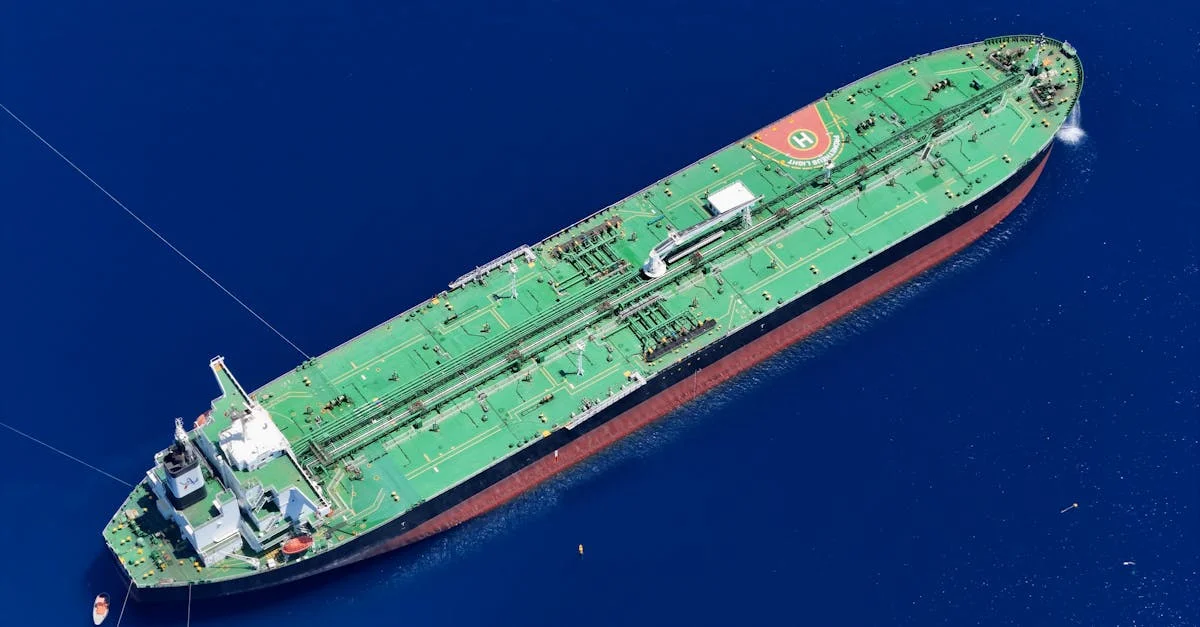
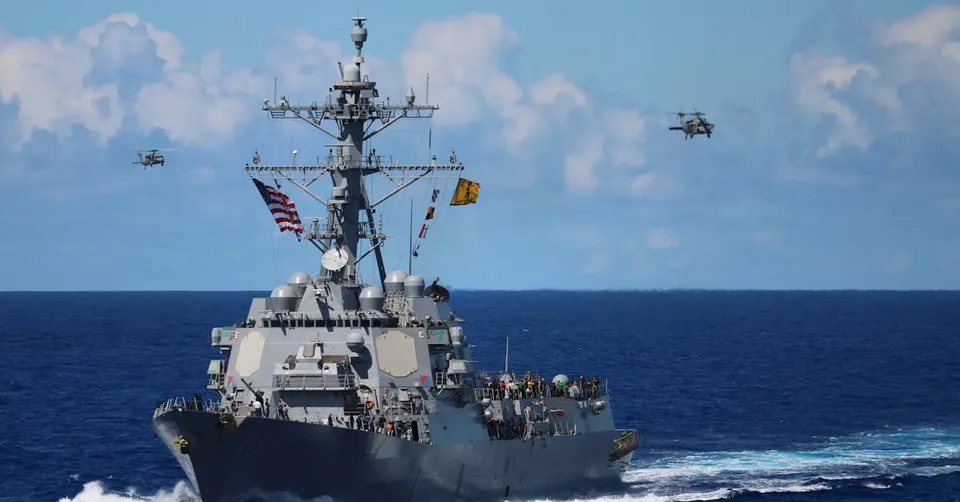
The geopolitical temperature in the Persian Gulf has reached a boiling point this Thursday evening. President Donald Trump has issued a definitive 'shoot to kill' order directed at any Iranian vessels suspected of laying mines in the Strait of Hormuz. This aggressive stance follows the Pentagon's confirmation that U.S. forces have successfully boarded and seized a second tanker allegedly carrying Iranian oil, marking a significant escalation in the administration's 'maximum pressure' campaign. The departure of Navy Secretary John Phelan, which occurred just hours prior without an official explanation, has added a layer of internal administrative mystery to an already volatile military situation.
This move signals a shift from mere deterrence to active interdiction. By authorizing lethal force against mine-laying operations, the U.S. is effectively asserting total control over the world's most vital maritime chokepoint. Iran, for its part, has declared that reopening the strait is currently 'impossible' due to what it calls flagrant ceasefire breaches by Western forces. For global markets, this means the risk premium on oil is no longer a theoretical concern but a daily reality, as shipping lanes remain contested and the threat of direct kinetic conflict looms larger than it has in decades.
Global Economic Strains: Energy Hoarding and Soaring Costs
As the maritime blockade in the Middle East continues, a secondary crisis is emerging in the form of global energy hoarding. Wealthy nations, fearing a prolonged disruption of supply, are aggressively outbidding one another to secure available oil and gas stocks. This 'scramble for safety' is inadvertently driving prices to levels that are becoming unsustainable for developing economies. The New York Times reports that this hoarding behavior is not just a strategic necessity but a market-distorting force that is creating artificial shortages in vulnerable regions, further destabilizing the global recovery.
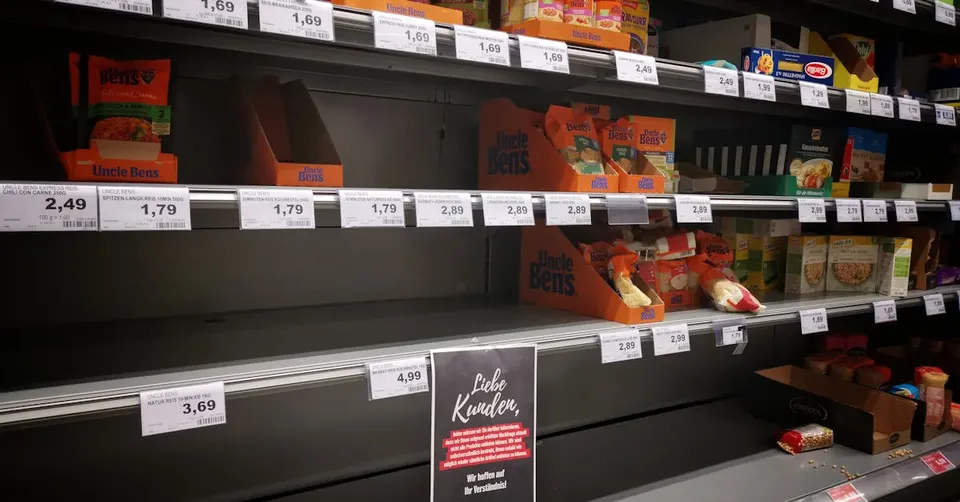
The human cost of this economic friction is becoming visible in the healthcare sector. Reports indicate that the cost of essential medicines, including basic painkillers, has more than quadrupled in several countries due to increased logistics costs and supply chain fractured by the Iran conflict. Simultaneously, the European Union has approved a massive €90 billion loan for Ukraine, heavily weighted toward military spending. This move underscores a grim consensus in Brussels: peace is a distant prospect, and the global economy must now transition into a long-term 'war footing' to manage both the energy crisis and the ongoing conflict in Eastern Europe.
Tech Giants Pivot: Microsoft’s Historic Retirement and the $110bn Merger
In the technology sector, a different kind of restructuring is taking place as the AI revolution forces a lean approach to legacy operations. Microsoft has made headlines by offering voluntary retirement to its long-serving employees in the United States for the first time in its 50-year history. This program is seen by industry analysts as a strategic move to refresh the company’s talent pool and reallocate resources toward its massive AI and data center investments. With reports suggesting that energy consumption from data centers owned by Microsoft, Meta, and OpenAI could soon exceed the output of entire nations, the company is under immense pressure to optimize its workforce and infrastructure simultaneously.
Meanwhile, the media landscape has been fundamentally altered by the overwhelming shareholder approval of the $110 billion merger between Warner Bros Discovery and Paramount Skydance. This consolidation creates a gargantuan entertainment entity capable of rivaling Netflix and Disney+ in the global streaming wars. Despite the approval, shareholders notably rejected multi-million dollar exit packages for top executives, reflecting a growing investor fatigue with 'golden parachutes' at a time when the broader economy is struggling. This merger, while subject to final government approval, represents the largest media consolidation in recent history and will likely trigger a new wave of competition for digital eyeballs.

Domestic Market Stability Amid Regional Volatility
Despite the dramatic headlines from the Strait of Hormuz, the domestic Iranian currency market has shown a surprising degree of resilience in the last 24 hours. The US Dollar (USD) sell rate remained flat at 154,050 Toman, showing a 0.0% change since yesterday. This stability suggests that the market may have already priced in much of the current geopolitical tension, or that central interventions are successfully smoothing out panic-driven volatility. However, the gold market saw a slight downward adjustment; the Emami gold coin moved from 177,000,000 to 176,000,000 Toman, representing a -0.6% decrease.
In the digital asset space, the Bank for International Settlements (BIS) has issued a stern warning, classifying major cryptocurrency exchanges as 'shadow banks.' The report highlights the risks associated with stablecoin yields and decentralized finance (DeFi) products that mimic traditional banking services without the requisite insurance or regulatory safeguards. This warning comes as Tether recently froze $344 million in USDT on the Tron network linked to illicit activity, reminding investors that while crypto offers a hedge against local currency devaluation, it remains a landscape fraught with systemic risks and increasing regulatory scrutiny.
Watch
US, Iran Deadlocked Over Hormuz, Trump Extends Truce
Bloomberg Podcasts
Frequently Asked Questions
What are the immediate implications of the 'Shoot to Kill' order in the Strait of Hormuz?
Why is Microsoft offering voluntary retirement for the first time in 50 years?
How is the Hormuz blockade affecting the price of basic goods like medicine?
Maritime Chokepoints and Global Energy Security
Maritime chokepoints are narrow, strategically important passages of water that connect two larger bodies of water. These pathways are crucial arteries for global trade, particularly for the transport of energy resources like oil and natural gas. Their constricted nature means that a significant portion of the world's commercial shipping traffic, including supertankers, must pass through them. Any disruption, whether due to geopolitical tensions, military conflict, piracy, or even severe weather, can have immediate and far-reaching consequences for global supply chains and energy markets.
The Strait of Hormuz stands as one of the most vital and vulnerable maritime chokepoints globally. Situated between Oman and Iran, it connects the Persian Gulf to the Arabian Sea and beyond. An estimated one-fifth of the world's total petroleum liquids consumption and one-third of the world's liquefied natural gas (LNG) pass through this strait daily. Countries like Saudi Arabia, Iran, Iraq, Kuwait, Qatar, and the UAE rely heavily on Hormuz for exporting their vast energy resources to international markets, making it an indispensable route for global energy security.
Given its immense strategic importance, the Strait of Hormuz is frequently a flashpoint for geopolitical tensions. Threats to shipping, tanker seizures, or military posturing in this region can trigger immediate spikes in global oil prices and create widespread "energy panic," as seen in various historical incidents and reflected in headlines about potential "shoot to kill" orders. The risk of disruption here underscores the fragility of global energy supply lines and highlights how localized conflicts can rapidly escalate into international economic and security concerns, impacting everything from consumer fuel prices to industrial production worldwide.