Global Tensions Simmer: Hormuz Standoff, Ukraine Crisis Deepens, AI Race Intensifies
تنشهای جهانی در اوج: بنبست هرمز، بحران اوکراین عمیقتر میشود، رقابت هوش مصنوعی تشدید میشود
As global tensions escalate, the Strait of Hormuz remains a critical flashpoint with a dangerous standoff. Meanwhile, the war in Ukraine reveals dire conditions for soldiers on the front lines, and the AI race heats up with China's DeepSeek challenging Western dominance.
At time of publishing
USD
154,050
Toman
Gold 18K
17.69M
Toman / gram
Hormuz Standoff: A Test of Wills Continues
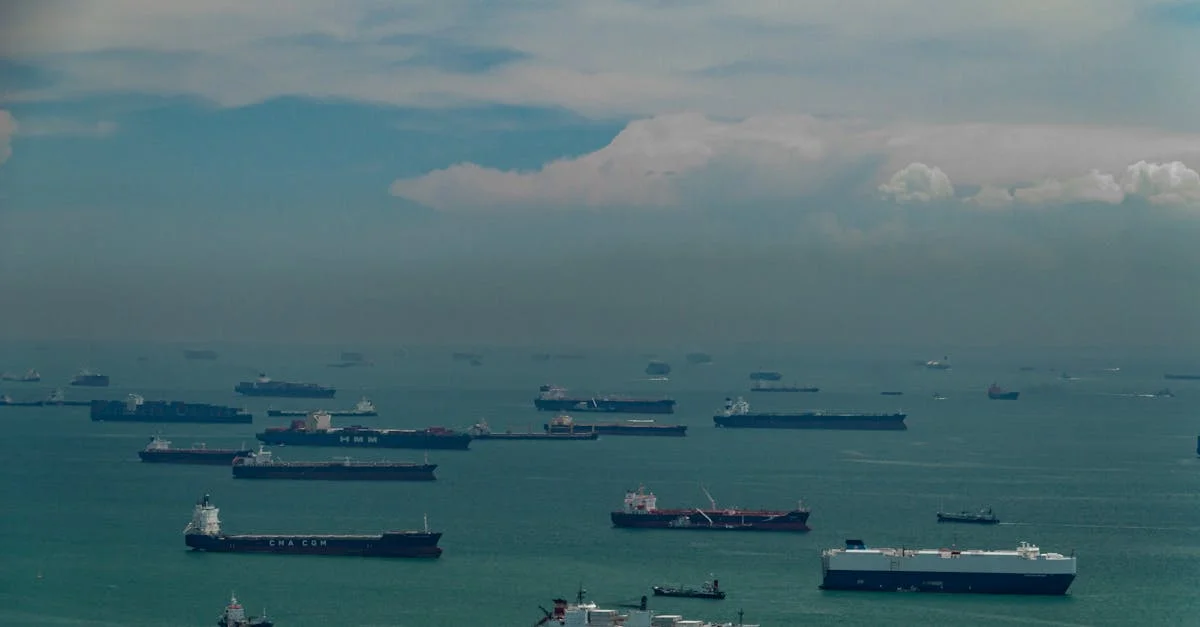
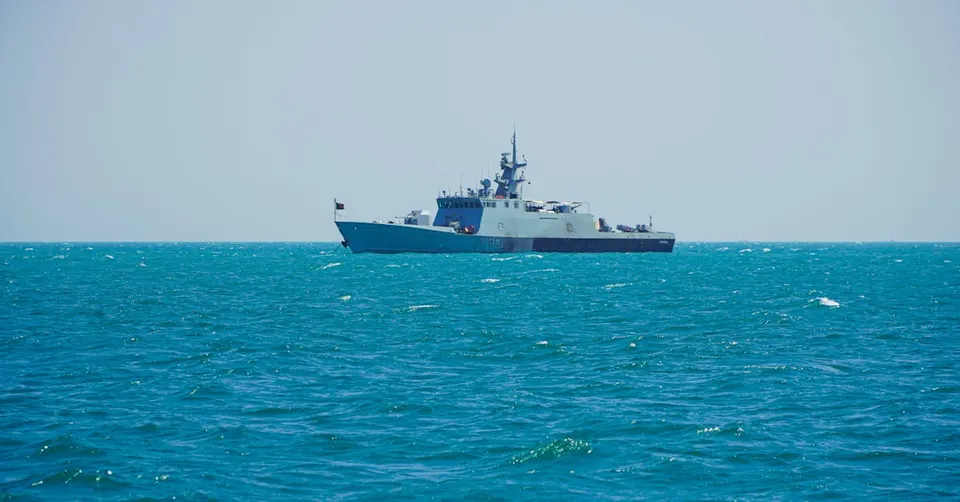
The Strait of Hormuz remains a critical global chokepoint, characterized by a dangerous "test of wills" between the US and Iran, as reported by BBC World. This tense situation has escalated significantly, with President Trump ordering the US Navy to "shoot and kill" any boats attempting to lay mines in the strait. This aggressive stance underscores the high stakes involved, as any disruption to maritime traffic in Hormuz could have severe repercussions for global energy supplies and international trade. The ongoing blockade dynamics suggest a prolonged period of heightened alert and potential for miscalculation.
The "shoot and kill" order signals a significant escalation in rhetoric and potential action, reflecting the US administration's determination to maintain freedom of navigation. However, it also raises concerns about unintended consequences and the potential for a wider conflict. The strategic importance of Hormuz cannot be overstated; it is the passage for a substantial portion of the world's oil supply. Any sustained blockade or military engagement in this region would inevitably lead to price shocks in energy markets and further destabilize an already fragile global economy. The situation demands careful diplomatic management to de-escalate tensions and prevent a catastrophic outcome.
---
Ukraine's Frontline Crisis: Soldiers Starving Amidst Conflict
Shocking reports from the Guardian reveal a dire situation for Ukrainian soldiers on the front lines, who have been left "emaciated" due to a severe lack of food and water. This humanitarian crisis within the ongoing conflict has led to the dismissal of a top commander after the wife of one affected soldier posted harrowing images on social media. The photographs depicted soldiers who were visibly malnourished, with prominent ribcages and thin limbs, underscoring the brutal realities faced by those fighting on the ground.
The exposure of this crisis highlights systemic failures in the Ukrainian military's logistical support and command structure. While the defense ministry has taken action by firing a commander, the underlying issues of supply chain disruptions and inadequate resource allocation need urgent and comprehensive investigation. The soldiers' well-being is paramount, and their ability to effectively defend their nation is directly impacted by their physical condition. This situation not only raises questions about military preparedness but also about the broader humanitarian implications of prolonged warfare, especially when basic necessities are compromised.

---
China's DeepSeek V4 Challenges AI Landscape
Chinese AI company DeepSeek has unveiled a preview of its next-generation AI model, V4, marking a significant development in the global artificial intelligence race. As reported by The Verge, DeepSeek V4 is positioned to compete directly with leading closed-source systems from major US rivals like Anthropic, Google, and OpenAI. The company claims that this new model represents a substantial leap forward, particularly in coding capabilities, an area that has become increasingly central to AI development and application.
This release intensifies the competition in the AI sector, a field with profound implications for technological advancement and economic competitiveness. DeepSeek's open-source approach for V4 aims to democratize access to advanced AI technology, potentially fostering wider innovation but also raising concerns about the proliferation of powerful AI tools. The announcement comes at a time when the US administration is vowing to crack down on foreign tech companies' exploitation of US AI models, singling out China. This indicates a growing geopolitical dimension to the AI race, where national security and economic interests are increasingly intertwined with technological leadership.

Watch
TRUMP VS IRAN: 26 Ships Defy U.S. Blockade in Strait of Hormuz | Blockade Cracked? Tehran | N18G
News18 Urdu
Frequently Asked Questions
What is the current situation in the Strait of Hormuz?
What are the conditions for Ukrainian soldiers on the front lines?
What is DeepSeek V4 and why is it significant?
How does the AI race impact US-China relations?
Strategic Chokepoints: Why the Strait of Hormuz Matters
The Strait of Hormuz is one of the world’s most critical maritime chokepoints, a narrow waterway that connects the Persian Gulf with the Gulf of Oman and the open ocean. At just about 21 nautical miles wide at its narrowest point, it forces all trans‑Pacific oil tankers to pass within a few miles of the Iranian coast. Roughly 20% of global oil consumption – and a similar share of liquefied natural gas – flows through this corridor each day, making any disruption a potential shock to worldwide energy markets.
Because of its outsized role in global energy supply, the strait has long been a flashpoint for geopolitical tension. Iran has repeatedly threatened to close or mine the passage in response to U.S. sanctions or perceived aggression, while the United States and its allies maintain a continuous naval presence to ensure freedom of navigation. Episodes such as the 2019 seizure of oil tankers by Iran and the 2020 drone and missile attacks on U.S. warships illustrate how quickly a regional dispute can threaten global trade.
The economic implications extend beyond oil prices. Shipping insurers raise premiums for vessels transiting the strait, and countries that rely heavily on Gulf oil – from Japan to the European Union – must keep strategic petroleum reserves to hedge against supply shocks. Moreover, the strait’s vulnerability has spurred discussions about diversifying energy routes, such as expanding pipelines to the Red Sea or accelerating the transition to renewable energy sources.
Understanding the concept of a strategic chokepoint helps explain why seemingly narrow geographic features can wield outsized influence over international relations, military planning, and global economics. The Hormuz scenario also underscores how energy security, naval power, and diplomatic negotiations are tightly interwoven in today’s multipolar world.