
UK Court Summons Prince Andrew; AI Chip Race Heats Up; Iran Tensions Simmer
احضار پرنس اندرو به دادگاه بریتانیا؛ رقابت تراشههای هوش مصنوعی داغتر شد؛ تنشها در ایران ادامه دارد
Prince Andrew faces a High Court summons in a fraud trial, while a significant federal award boosts AI semiconductor development. Meanwhile, geopolitical tensions remain high in the Middle East and global markets react to shifting economic landscapes.
At time of publishing
USD
271,300
Toman
Gold 18K
26.50M
Toman / gram
Bitcoin
$81,531
US Dollar
Tether
270,039
Toman
Prince Andrew Faces High Court Summons in Fraud Trial
In a development that could significantly impact the British Royal Family's public image, Prince Andrew has been ordered by the High Court to give evidence in a fraud trial. The case involves serious allegations of fraud brought forth by a wealthy Turkish woman against her former financial advisor. This ruling means the Duke of York will be compelled to testify, potentially shedding light on complex financial dealings and personal associations.
This summons comes at a critical juncture for Prince Andrew, who has already faced significant public scrutiny and stepped back from royal duties following accusations related to his past associations. The High Court's decision underscores the legal system's reach, even into the lives of high-profile individuals. The outcome of this trial and Andrew's testimony could have further repercussions for the monarchy's standing and the public's perception of its members.
--- ## AI Semiconductor Race Accelerates with Federal Funding
Commonwealth Fusion Systems, a prominent startup in the fusion energy sector, has secured an $85 million federal award aimed at developing advanced semiconductors crucial for fusion power plants. This significant investment highlights the growing strategic importance of specialized microelectronics in the global push for next-generation energy solutions and advanced computing.
The award signifies a concerted effort by governments to foster innovation in critical technological areas, particularly those with the potential to revolutionize energy production and artificial intelligence. By funding the development of fusion-ready semiconductors, the initiative seeks to overcome key engineering hurdles and accelerate the timeline for practical fusion energy. This move could have far-reaching implications, potentially lowering energy costs and advancing AI capabilities.
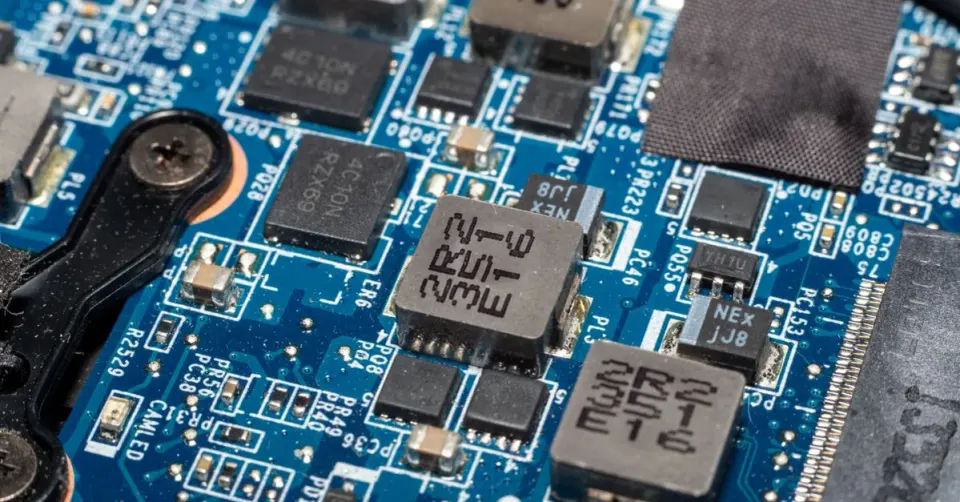
This development is part of a broader global trend where nations are investing heavily in AI and advanced computing infrastructure. The race for superior semiconductor technology is intensifying, with countries and corporations vying for dominance in a sector that underpins everything from artificial intelligence to advanced defense systems. The infusion of capital into Commonwealth Fusion Systems is a clear signal of this competitive landscape and the high stakes involved in achieving technological breakthroughs.
--- ## Geopolitical Tensions Escalate in the West Bank; Markets Show Mixed Reactions
Israeli forces have commenced the demolition of Palestinian buildings in Hebron following the killing of two Israeli soldiers by gunmen. Prime Minister Benjamin Netanyahu has vowed a large-scale military operation in the West Bank, signaling a significant escalation in the region. This action comes amid existing international concerns about the ongoing conflict and its broader implications for regional stability.
The heightened military activity and rhetoric from Israeli leadership create a volatile environment. Such events often have ripple effects across global markets, influencing oil prices, investor confidence, and currency valuations. While the direct impact on international trade routes remains a concern, the immediate focus is on the human cost and the potential for further escalation in an already fraught region.

Global markets have reacted with a degree of caution. While Brent crude oil has seen a surge to a five-month high, reflecting increased geopolitical risk premiums, other assets show mixed performance. Bitcoin has remained relatively flat, hovering around $81,000, indicating a cautious sentiment among traders. The US dollar's exchange rate against the Iranian Toman has seen a slight depreciation, moving from 272,300 to 271,300 (-0.4%), suggesting a minor flight to perceived safety or a response to regional instability impacting trade expectations. Gold prices have also seen a dip, with 18k gold per gram falling 2.1%, indicating that while oil is reacting to immediate conflict fears, broader safe-haven demand might be tempered by other economic factors or a wait-and-see approach.
--- ## Tech Startup Daytona Achieves Unicorn Status
Daytona, a startup focused on building a cloud infrastructure for AI agents, has announced it has reached a valuation of $1 billion, achieving 'unicorn' status. The company's platform aims to provide each AI agent with its own dedicated computing environment, a significant advancement in how AI systems are developed and deployed.
The funding round saw participation from prominent figures in the tech industry, including founders of major companies like Stripe, Perplexity, and Datadog. This level of backing from seasoned entrepreneurs underscores the perceived potential of Daytona's approach to agent computing. The company's vision is to streamline the development and scaling of AI applications by offering specialized, isolated environments for individual agents.

This milestone for Daytona reflects the booming investment landscape in AI infrastructure and specialized computing solutions. As AI becomes more integrated into various industries, the demand for robust and scalable platforms that can support complex AI operations is growing exponentially. Daytona's success signals a potential shift in how AI agents are managed and utilized, paving the way for more sophisticated and efficient AI deployments across the tech sector.
Frequently Asked Questions
What is the nature of the fraud allegations against Prince Andrew's former advisor?
What is Commonwealth Fusion Systems developing with the new federal funding?
What triggered the latest escalation in the West Bank?
How are global markets reacting to the West Bank tensions?
What is Daytona's business model?
The Global Race for AI‑Optimized Semiconductor Manufacturing
The term AI semiconductor refers to chips specifically designed to accelerate artificial‑intelligence workloads such as deep‑learning inference and training. Unlike general‑purpose CPUs, these chips—often built on specialized architectures like GPUs, TPUs, or dedicated AI accelerators—contain massive parallel compute units and high‑bandwidth memory to handle the enormous matrix multiplications at the heart of modern AI models. Their performance advantage has turned them into a strategic commodity, driving everything from cloud services to autonomous vehicles.
The manufacturing of AI chips is far more complex than that of ordinary processors. Leading‑edge nodes (currently 3 nm and 2 nm) require cutting‑edge lithography equipment, most notably extreme‑ultraviolet (EUV) scanners made by ASML in the Netherlands. Because each new node shrinks transistors to atomic scales, even tiny defects can cripple yields, making the process extremely capital‑intensive and technically demanding. Companies that control the most advanced fabs—TSMC in Taiwan, Samsung in South Korea, and Intel in the United States—therefore hold disproportionate power over the AI hardware supply chain.
Geopolitics has become inseparable from this technological race. The United States has launched initiatives such as the CHIPS Act and the Inflation Reduction Act to subsidise domestic chip fabs and reduce reliance on East Asian foundries. Meanwhile, China’s “Made in China 2025” plan and its substantial state funding aim to achieve self‑sufficiency in AI chip design and production. These competing policies have sparked concerns about a fragmented global supply chain, export controls on advanced lithography tools, and the potential for a new “technology cold war.”
For businesses and policymakers, understanding the AI semiconductor ecosystem is crucial. The high cost of building or upgrading fabs—often exceeding $10 billion—means that only a handful of players can compete at the most advanced nodes. This concentration creates bottlenecks, drives up prices, and makes supply disruptions a national security issue. As AI workloads continue to expand, the race to produce faster, more efficient chips will shape the future of everything from scientific research to everyday consumer devices.
Topics
Related Articles