Global Powers Warn Against Iran Strikes as Brent Hits $117; Toman Gains 0.9% Despite War Rhetoric
هشدار بلوک ضدجنگ به آمریکا و اسرائیل؛ جهش نفت به ۱۱۷ دلار و عقبنشینی دلار در بازار تهران
A new 'anti-war bloc' of eight nations has warned the US and Israel against launching strikes on Iran, as Brent crude surges toward $120. Paradoxically, the Toman strengthened slightly in Tehran today, with the USD dropping to 269,900.
At time of publishing
USD
269,900
Toman
Gold 18K
26.42M
Toman / gram
Bitcoin
$81,497
US Dollar
Tether
269,386
Toman
Diplomatic Bloc Issues Stern Warning Over Potential Iran Strikes
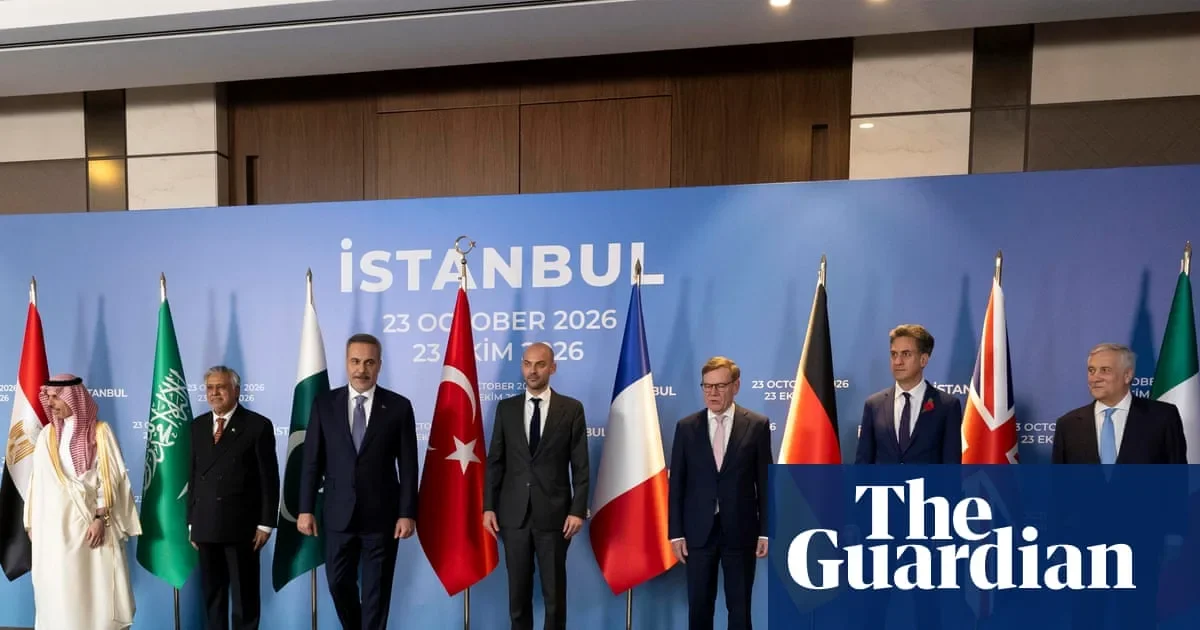
In a significant diplomatic shift at the Istanbul summit, a newly formed "anti-war bloc" consisting of eight European and Middle Eastern countries has issued a formal warning to the United States and Israel. The group urged both nations to refrain from launching fresh military strikes against Iran, cautioning that such an escalation would not only destabilize the region further but would also send global energy prices into an uncontrollable spiral. This development highlights a growing international rift as Washington and Tel Aviv reportedly finalize plans for potential operations following their respective upcoming elections. The Istanbul declaration represents a strategic challenge to the narrative that military action is the only remaining option to address the deadlock over Tehran’s nuclear program. For Iranian citizens, this diplomatic intervention offers a brief window of uncertainty; while it signals international support for a non-military solution, it also confirms the reality that the threat of kinetic conflict is higher than it has been in years. The "anti-war bloc" specifically pointed to the fragility of global supply chains and the potential for a total energy market collapse if refineries in the Persian Gulf become targets.
Oil Markets Grapple with $120 Threshold and Regulatory Scrutiny
The global energy landscape is currently in a state of high tension, with Brent crude surging past $117 a barrel on Friday, marking its highest level since April. The price spike is driven by fears of retaliatory Iranian strikes on regional refineries and data centers, a threat that has sent shockwaves through trading floors from London to New York. As the price nears the psychologically critical $120 mark, the Commodity Futures Trading Commission (CFTC) has launched a high-stakes investigation into suspicious trading activity.
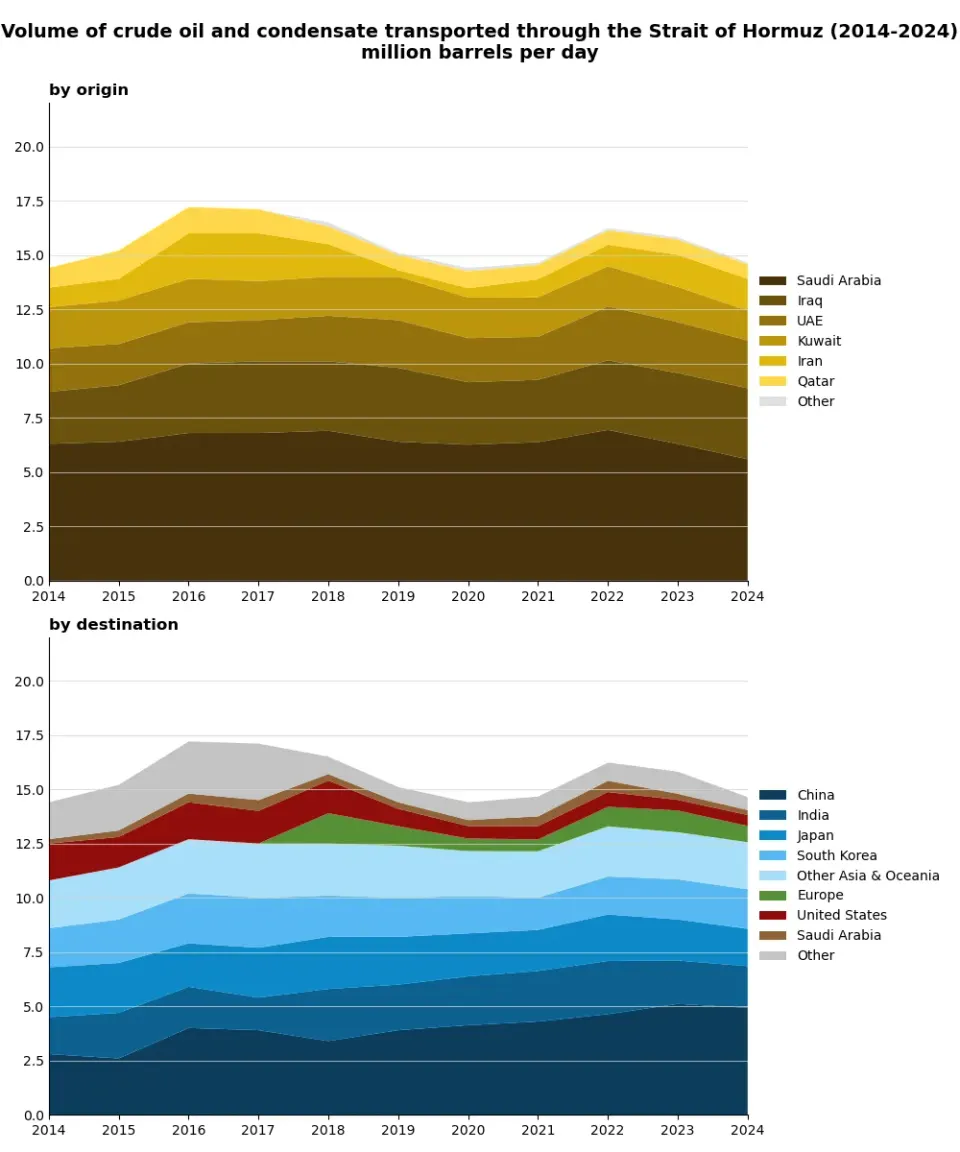
Specifically, the CFTC is examining a massive sell-off involving 6 million barrels of crude futures that occurred in a mere two-minute window just before a major policy pivot by the Trump administration. This level of volatility suggests that institutional players may be acting on non-public information or engaging in high-frequency manipulation as the geopolitical situation shifts. For the Iranian economy, while higher oil prices typically translate to increased nominal revenue, the associated risk premiums and the threat of total naval blockades in the Strait of Hormuz keep the domestic market on a knife-edge.
US Midterms Turn Iran Conflict into a Domestic Economic Issue
As the 2026 US midterm elections approach, the conflict with Iran has moved from the back pages of foreign policy to the forefront of the American kitchen-table debate. Candidates are increasingly framing the standoff as an "affordability issue," with Democrats blaming Republican-backed hawks for driving up gasoline prices and Republicans accusing the current administration of weakness that invites aggression. This political framing means that any military action against Iran is being weighed not just for its strategic value, but for its impact on the American voter’s wallet. President Trump’s recent comments praising local energy decisions indicate a broader strategy to secure energy independence at any cost. This domestic focus in the US creates a dangerous "election window" where policy decisions regarding Iran might be accelerated to satisfy electoral demands for lower prices or a "strongman" image. For Iranians, this means the next few weeks are likely to be characterized by heightened rhetoric and unpredictable policy shifts emanating from Washington as both parties vie for control of Congress.
Toman Markets Show Resilience Despite Regional War Drums
In a surprising turn of events, the Iranian Toman showed a degree of resilience today, despite the intensifying rhetoric of war. The US Dollar in the Tehran open market moved from 272,300 to 269,900, representing a -0.9% decrease over the last 24 hours. This slight appreciation suggests that the market may have already "priced in" the current level of geopolitical tension, or that central bank interventions are successfully dampening panic buying. Gold prices also saw a notable correction, with 18-karat gold dropping -2.4% to 26,420,887 Toman per gram.

While the currency and gold markets are currently cooling, the underlying fundamentals remain fragile. The lack of movement in the Emami coin price, which held steady at 274,000,000 Toman, indicates that long-term investors are still hesitant to offload their hedges. The disconnect between rising international oil prices and a strengthening Toman is a rare phenomenon, often signaling a temporary equilibrium before a more significant move. For savers, this period offers a moment of relative stability, though the looming threat of regional escalation remains the primary driver of future volatility.
Frequently Asked Questions
چرا با وجود اخبار جنگی، قیمت دلار در تهران کاهش یافت؟
نشست استانبول چه تأثیری بر تنشهای فعلی دارد؟
تحقیقات CFTC در مورد بازار نفت به چه معناست؟
Understanding the Brent Crude Benchmark and Its Sensitivity to Geopolitical Risk
Brent crude oil is the most widely used price reference for crude oil traded around the world. It originated in the 1970s as a blend of oil from fields in the North Sea (Brent, Forties, Oseberg and Ekofisk) and is now quoted as a futures contract on the Intercontinental Exchange (ICE). Because the contract is highly liquid and settled in U.S. dollars, it serves as a convenient yardstick for pricing a vast array of physical and derivative oil products.
The price of Brent is not set by any single producer; instead it reflects the interaction of global supply and demand, inventory levels, currency movements, and expectations about future market conditions. Traders watch the ICE Brent futures curve, OPEC production decisions, refinery utilization rates, and macro‑economic indicators such as U.S. GDP growth. When these fundamentals shift, the futures price adjusts in real time, creating a benchmark that is both transparent and responsive.
Geopolitical events are a potent driver of Brent volatility. Any perceived threat to oil‑producing regions—such as heightened tensions with Iran, sanctions on Russia, or conflict in the Middle East—adds a “risk premium” to the price. In October 2026, the combination of war‑risk rhetoric surrounding Iran and the uncertainty of the U.S. mid‑term elections pushed Brent to $117 per barrel, illustrating how market participants price in the probability of supply disruptions.
Because Brent is denominated in dollars, sharp moves reverberate through exchange rates, especially for oil‑importing or oil‑exporting economies. Iran, for example, saw its domestic currency (the toman) appreciate modestly against the dollar as higher oil prices boosted expectations of future revenue, even though the country faces sanctions. Investors and policymakers therefore monitor Brent not only for energy market insights but also for its broader macro‑economic implications.
Regulators such as the U.S. Commodity Futures Trading Commission (CFTC) keep a close eye on Brent‑linked futures to guard against market manipulation and excessive speculation. Their reports help maintain market integrity, ensuring that price signals remain reliable for both traders and the economies that depend on them.