Global Diplomacy Intensifies as Iran Peace Talks Resume; AI Race Heats Up
از سرگیری گفتگوهای صلح ایران؛ رقابت هوش مصنوعی داغتر میشود
High-stakes diplomatic efforts are underway as US envoys meet with Iranian officials in Pakistan, aiming to de-escalate tensions. Meanwhile, the artificial intelligence landscape is seeing significant investment, with Google pouring billions into Anthropic, signaling an intensified race for AI dominance.
At time of publishing
USD
154,050
Toman
Gold 18K
17.73M
Toman / gram
US Envoys Meet Iranian Officials in Pakistan for Peace Talks
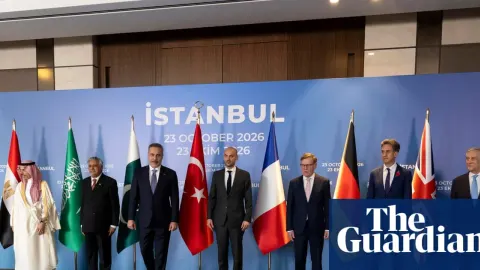
In a significant diplomatic development, US Middle East envoys Steve Witkoff and Jared Kushner have traveled to Pakistan to resume peace talks with Iran. The White House confirmed the travel, stating that the envoys would meet Iran's Foreign Minister Abbas Araghchi in Islamabad. This move signals a renewed effort to de-escalate the ongoing tensions, particularly concerning the Strait of Hormuz blockade, which has disrupted global shipping and oil markets. The presence of both US and Iranian high-level officials in the same location, facilitated by Pakistan, underscores the urgency and complexity of the current geopolitical climate.
This diplomatic push comes at a critical juncture, with the war in Iran having lasted nearly eight weeks and the situation in the Strait of Hormuz remaining volatile. The White House has framed these talks as a crucial step towards finding a peaceful resolution, though specific details of the agenda remain undisclosed. The involvement of Kushner, a key architect of previous Middle East initiatives, suggests a strategic approach to reviving stalled negotiations. The outcome of these discussions could have far-reaching implications for regional stability and global energy markets, making them a focal point for international observers.
---

Google Invests Billions in AI Startup Anthropic
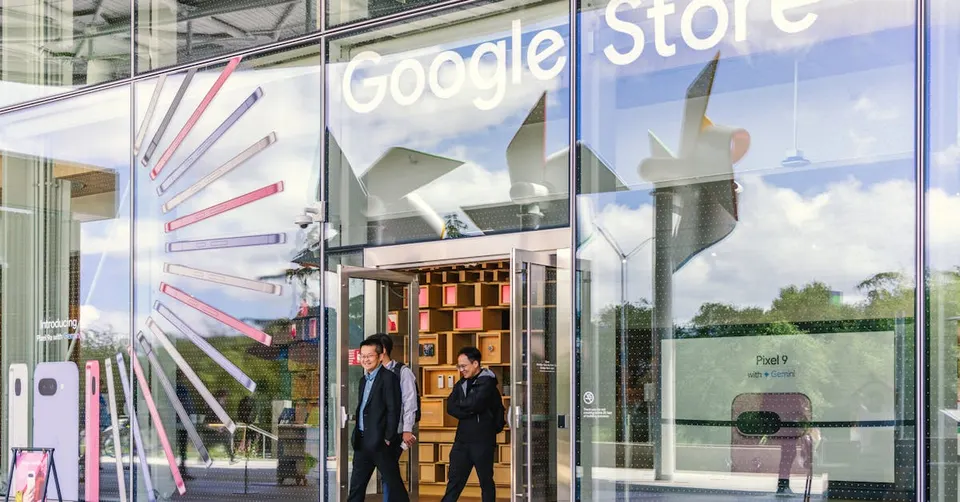
In the rapidly evolving world of artificial intelligence, Google has announced a substantial investment of up to $40 billion in AI research firm Anthropic. This massive infusion of capital, comprising both cash and compute resources, highlights the escalating competition among tech giants to secure cutting-edge AI capabilities. Anthropic, known for its focus on cybersecurity and the development of powerful models like 'Mythos,' is positioned as a key player in the next wave of AI innovation.
The investment underscores Google's strategy to bolster its AI portfolio against rivals like Microsoft, which has heavily backed OpenAI. The race for advanced AI development is not just about creating sophisticated algorithms but also about securing the immense computational power required to train and deploy these models. By partnering with Anthropic, Google aims to gain a significant advantage in this arms race, ensuring access to essential infrastructure and talent as AI continues to permeate various sectors of the global economy.
---
Venice Biennale Bars Awards for Countries Facing Crimes Against Humanity Charges
The Venice Biennale, a prestigious international art exhibition, has announced a controversial new policy: barring awards for countries whose leaders are facing charges of crimes against humanity. This decision directly impacts nations such as Israel and Russia, potentially altering the landscape of international art recognition and political discourse within the cultural sphere. The jury's statement indicated they would "refrain from considering" such nations, signaling a strong stance on accountability and human rights within the arts.
This move by the Venice Biennale reflects a growing trend of cultural institutions taking more explicit political and ethical stances on global conflicts and human rights issues. While intended to uphold principles of justice, the decision is likely to spark debate about the role of art in politics, the definition of leadership accountability, and the potential for such policies to be perceived as biased or overly politicized. The implications for artists from the affected nations and the broader international art community are significant, potentially leading to a reevaluation of how global events are addressed within cultural platforms.
---

Trump Administration's Capital Punishment Policy Shift
The Trump administration has signaled a significant shift in its approach to capital punishment, prioritizing the seeking of the death penalty and exploring methods such as firing squads. This policy change, while controversial, aligns with a broader conservative agenda and reflects a tough-on-crime stance. Capital punishment remains a deeply divisive issue in the United States, with ongoing debates about its morality, effectiveness, and the risk of executing innocent individuals.
The administration's emphasis on capital punishment, coupled with the consideration of more stringent execution methods, is expected to face considerable legal and public opposition. Critics argue that the death penalty is a cruel and unusual punishment and that the justice system is fallible, leading to the potential for irreversible errors. The push for more aggressive capital punishment policies will likely ignite further legal challenges and intensify the national conversation surrounding justice, retribution, and human rights in the US legal system.
Watch
US Iran Islamabad Peace Talks | Iran vs US | 06am News Headlines | 24 Apr 2026 | Suno News HD
SUNO NEWS HD
Frequently Asked Questions
What is the significance of the US envoys meeting Iranian officials in Pakistan?
Why is Google's investment in Anthropic important?
What is the Venice Biennale's new policy regarding awards?
What changes are being made to the US capital punishment policy?
The AI Investment Boom: Why the Race for Artificial Intelligence Matters
Artificial intelligence (AI) has moved from a niche research field to a multi‑trillion‑dollar industry in just a few years. Venture capital, corporate giants, and sovereign wealth funds are pouring money into startups that promise breakthroughs in large‑language models, computer vision, and autonomous systems. This surge of capital is not just about profit; it reflects a strategic competition among nations and corporations to secure technological leadership, economic growth, and even geopolitical influence.
The "AI race" is driven by several forces. First, AI promises massive productivity gains across sectors—from manufacturing and logistics to healthcare and finance—potentially adding up to $15.7 trillion to global GDP by 2030, according to a PwC report. Second, AI models can be weaponized for disinformation, cyber‑operations, and autonomous weapons, prompting governments to view AI capability as a matter of national security. Finally, data and compute resources are unevenly distributed, giving early movers like the United States, China, and large tech firms a decisive edge.
Companies such as Google (Alphabet) and Anthropic illustrate how corporate strategy intertwines with the broader AI competition. Google’s DeepMind and Anthropic’s safety‑focused language models both attract billions in funding, yet they pursue different philosophies—one emphasizing raw performance, the other prioritizing alignment and ethical safeguards. Their rivalry spurs rapid innovation but also raises questions about concentration of power, talent wars, and the need for regulatory frameworks that balance innovation with societal risks.
For investors and policymakers, understanding the dynamics of AI investment is crucial. It involves assessing not only the technical promise of a startup but also its data access, compute infrastructure, talent pipeline, and alignment with emerging regulations. As AI systems become more integrated into critical infrastructure, the stakes of this investment race extend far beyond financial returns, shaping the future of work, security, and global power balances.