Trump Shooting Chaos Derails Pakistan Peace Mission as Tehran Rejects 'Negotiation Under Threat'
لغو ماموریت صلح پاکستان در پی تیراندازی به ترامپ؛ تأکید پزشکیان بر عدم مذاکره زیر سایه تهدید
A shooting at the White House Correspondents' Dinner has forced Donald Trump to cancel a high-stakes diplomatic mission to Pakistan, while President Pezeshkian warns that Iran will not negotiate under the pressure of blockades.
At time of publishing
USD
155,950
Toman
Gold 18K
17.89M
Toman / gram
Bitcoin
$77,986
US Dollar
Tether
15,449.8
Toman
Gunfire in Washington: The Collapse of the Pakistan Peace Channel
Chaos erupted at the Washington Hilton on Saturday night as former President Donald Trump was evacuated from the White House Correspondents' Dinner following a shooting incident. While the suspect is in custody and the President is reportedly unharmed, the geopolitical fallout was immediate. The Trump administration has officially canceled the planned trip of envoys Steve Witkoff and Jared Kushner to Islamabad, which was widely seen as the last viable backchannel for a ceasefire in the ongoing Iran-US conflict. The disruption comes at a critical moment when regional mediators were hoping for a face-to-face breakthrough.
The cancellation of the Pakistan mission marks a significant setback for global diplomacy. Witnesses, including CNN’s Wolf Blitzer, described a scene of absolute panic where journalists were forced to take cover under tables as Secret Service agents rushed the podium. This internal instability in the United States effectively paralyzes its foreign policy machine, leaving a vacuum in the Middle East at a time when tensions are at a boiling point. For the markets, this uncertainty is the primary driver of volatility, as the hope for a structured de-escalation fades into the background of domestic American security concerns.

Pezeshkian’s Red Line: 'No Negotiation Under Blockade'
As the diplomatic channel in Pakistan crumbled, Iranian President Masoud Pezeshkian delivered a stern message from Tehran, asserting that the Islamic Republic will not be coerced into talks. Speaking on Sunday morning, Pezeshkian emphasized that while Iran is open to dialogue, it will not engage as long as the United States maintains its policy of "threats and blockades." This stance was echoed by Foreign Minister Abbas Araghchi, who has been conducting a whirlwind diplomatic tour, describing his recent talks in Islamabad as "fruitful" despite the absence of the American delegation.
Araghchi has also been active on the phone, coordinating with Turkish Foreign Minister Hakan Fidan and Egyptian counterpart Badr Abdelatty to discuss the fragile state of the regional truce. These calls suggest that Tehran is looking to its neighbors to form a defensive diplomatic bloc, rather than relying on direct engagement with a volatile Washington. The message is clear: Iran is preparing for a long-term standoff if the 'Maximum Pressure 2.0' strategy continues. This rhetorical hardening has immediate implications for the Rial, as traders weigh the likelihood of continued sanctions against the possibility of a regional settlement.
Global Economic Fallout: The NHS and the Gulf Shipping Standstill
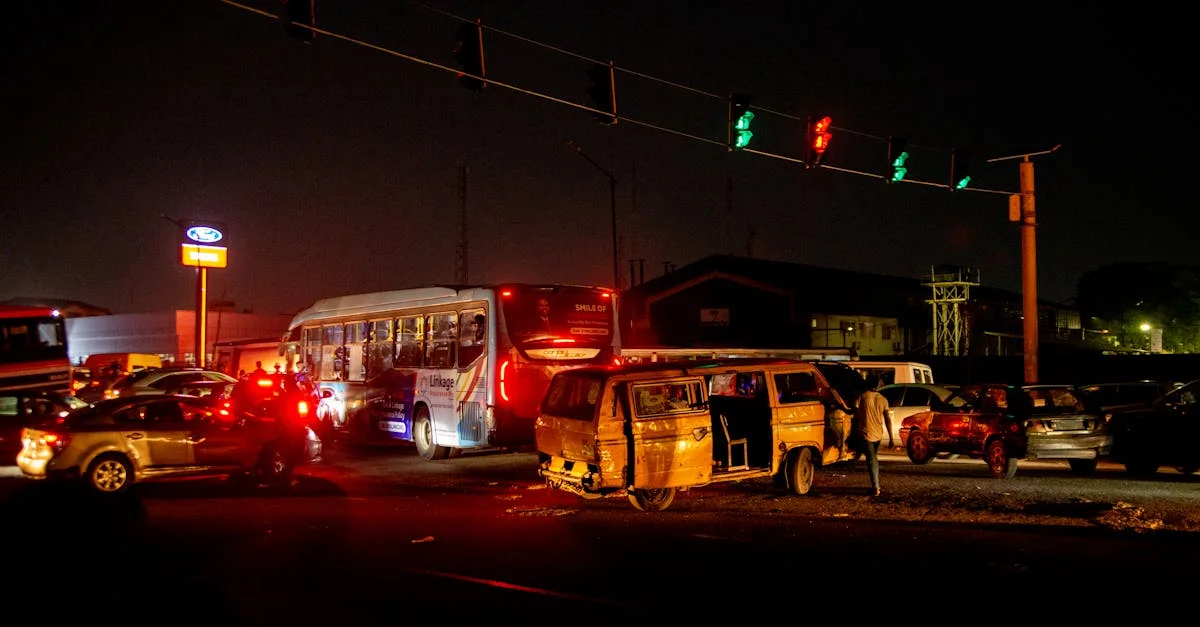
The impact of the conflict in the Gulf is now being felt in the heart of Western infrastructure, specifically the UK’s National Health Service (NHS). Reports indicate that the shipping standstill in the Persian Gulf has led to a critical shortage of petrochemicals, which are essential for producing everything from syringes and IV bags to sterile gloves. The NHS is on high alert as costs for these basic medical supplies skyrocket. This highlights the reality that the "Iran war" is no longer a localized issue; it is a systemic threat to global healthcare supply chains that rely heavily on the region's energy and chemical exports.
This supply chain crisis is mirrored in the energy sector, where the only bright spot appears to be Nigeria's Dangote refinery, which is reaching full capacity and beginning to export fuel to a starved European market. However, the relief provided by African exports is a drop in the bucket compared to the massive disruptions caused by the Gulf blockade. As long as the shipping lanes remain contested or closed, the inflationary pressure on medical and industrial goods will continue to rise, forcing central banks globally to reconsider their interest rate trajectories in the face of supply-side shocks.
Tehran Market Reaction: Emami Coin Jumps as Gold Hits Record Highs
In the Tehran markets, the combination of the Washington shooting and the stalled peace talks has triggered a flight to safety. The Emami gold coin rose from 175,000,000 to 177,000,000 Toman, a 1.1% increase in just 24 hours. Meanwhile, the global price of gold has reached a staggering $4,710.80 per ounce, reflecting a worldwide panic. Interestingly, the USD/IRR rate remained stable at 155,950 Toman, suggesting that the Central Bank of Iran may be intervening heavily to prevent a currency collapse amidst the geopolitical chaos.

Investors are clearly favoring hard assets like gold over currency or even digital assets at this hour. While Bitcoin remains relatively steady at $77,986, the real action is in the physical gold market where the "war premium" is being priced in with aggressive speed. For the average Iranian consumer, the rising price of gold coins is a direct signal of expected inflation. If the diplomatic vacuum persists and the US internal situation remains unstable, we can expect further pressure on the Rial in the coming sessions, despite the current artificial stability at the 155,950 mark.
Frequently Asked Questions
Why were the peace talks in Pakistan canceled?
How has the Iranian market responded to the news from Washington?
What is the impact of the Gulf shipping standstill on Europe?
What was President Pezeshkian's official stance on the current situation?
Understanding "Negotiation Under Duress" in International Diplomacy
In the complex world of international relations, the concept of "negotiation under duress" is a critical factor that often dictates the success or failure of diplomatic efforts. This term refers to a situation where one party feels compelled to enter or continue negotiations due to significant pressure, threats, or unfavorable circumstances imposed by the other party or external events. When a nation, like Tehran in the given context, rejects "negotiation under threat," it's not merely a rhetorical stance but a declaration rooted in fundamental principles of sovereignty and fairness in dialogue.
The primary reason why negotiation under duress is problematic is that it undermines the legitimacy and fairness of the talks. A party negotiating under such conditions perceives its autonomy to be compromised, leading to a deep sense of mistrust and a reluctance to make genuine concessions. Instead of seeking mutual understanding and mutually beneficial outcomes, the coerced party views the process as an attempt to dictate terms rather than engage in a good-faith dialogue. This often results in a "loss of face" for the pressured party, making any agreement difficult to uphold or even reach.
The implications of insisting on negotiation under duress are far-reaching. Such rejections can prolong conflicts, as genuine dialogue, which requires a foundation of respect and perceived equality, is stalled. For diplomacy to be truly effective and yield sustainable peace agreements, both sides ideally need to perceive the negotiation as voluntary, fair, and based on a shared desire to find common ground. When duress is present, negotiations often devolve into zero-sum games where one party's gain is seen as another's loss, making compromise exceedingly difficult.
Ultimately, fostering an environment free from overt threats and undue pressure is crucial for cultivating productive international dialogue. True diplomatic success hinges on building trust, ensuring all parties feel respected, and creating a space where concerns can be addressed constructively. Only then can negotiations move beyond mere compliance and towards genuine resolution and lasting peace.