Diplomatic Vacuum: Trump Shooting Paralyzes Peace Envoys as Tehran Strengthens Regional Ties
خلاء دیپلماتیک: ترور نافرجام ترامپ فرستادگان صلح را فلج کرد؛ تهران در پی تقویت پیوندهای منطقهای
Global markets and diplomatic channels are reeling after the shooting incident at the White House Correspondents' Dinner. While Washington enters a security lockdown, Iran's Foreign Minister Araghchi concludes a 'fruitful' mission in Pakistan, signaling a shift in regional power dynamics.
At time of publishing
USD
155,950
Toman
Gold 18K
17.89M
Toman / gram
Bitcoin
$78,105
US Dollar
Tether
15,460
Toman
Global Shockwaves Following Washington Shooting
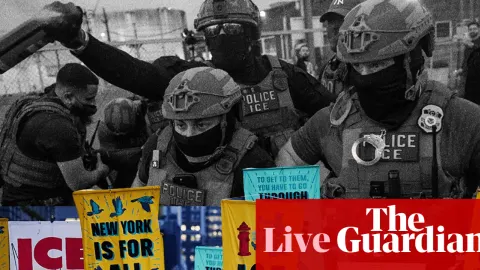
The shooting incident at the White House Correspondents' Dinner has sent shockwaves through the international community, leading to an immediate freeze in several high-level diplomatic tracks. While President Trump was reported safe, the immediate fallout included the cancellation of a key U.S. envoy's trip to Pakistan, which was intended to facilitate regional ceasefire talks. UK Prime Minister Keir Starmer and other world leaders have condemned the attack, characterizing it as an assault on democratic institutions. The chaos in D.C. has effectively created a temporary diplomatic vacuum, as the American administration pivots inward to handle the security and political implications of the event.
This disruption comes at a critical juncture for Middle Eastern and South Asian stability. The absence of the U.S. envoy in Islamabad has left a gap in the mediation efforts that many hoped would de-escalate ongoing tensions. For the global community, this event underscores the extreme volatility of the current U.S. political landscape and its direct impact on international security. Analysts suggest that until the domestic situation in Washington stabilizes, the 'Maximum Pressure' or 'Maximum Engagement' strategies of the Trump administration will likely be on hold, giving regional players more room to maneuver without direct American oversight.

Araghchi’s Islamabad Mission and Regional Realignment
Amidst the turmoil in Washington, Iranian Foreign Minister Abbas Araghchi has concluded what he described as a "very fruitful" visit to Islamabad. Meeting with Pakistan’s army chief, Asim Munir, and other top officials, Araghchi focused on bilateral cooperation and regional developments. This mission is part of a broader Iranian strategy to solidify ties with its neighbors—including Oman and Pakistan—at a time when Western diplomatic focus is fractured. The timing of the visit, coinciding with the 46th anniversary of the failed U.S. Tabas mission, serves as a symbolic reminder of Tehran's long-standing narrative of resisting external intervention.
What this means for the region is a potential hardening of a non-Western bloc. As Tehran and Islamabad discuss security and economic cooperation, the underlying message is clear: regional stability must be managed by regional actors. With the U.S. distracted by domestic crises and the upcoming state visit of King Charles to a politically charged Washington, Iran is seizing the opportunity to present itself as a pragmatic and stable partner. The release of new research regarding the Tabas incident further reinforces the domestic sentiment that reliance on foreign security guarantees is a historical mistake.

The AI Infrastructure Paradox: Power vs. Progress
In the technology sector, a growing conflict is emerging between the race for AI supremacy and environmental commitments. In the UK, government departments are reportedly at odds over the massive energy demands of new AI data centers, which threaten to derail Net Zero targets. This mirrors a similar struggle in the United States, where Maine’s governor recently vetoed a moratorium on data center construction, arguing that the economic benefits of the AI boom outweigh the immediate environmental concerns. The demand for compute power is now so high that it is reshaping national energy policies and urban planning across the globe.
For investors and the general public, this signifies that the 'AI revolution' is no longer just a software story; it is a heavy infrastructure and energy story. The discrepancy in government forecasts regarding energy consumption suggests that the true cost of maintaining an AI-driven economy has been vastly underestimated. As data centers become the 'new oil' of the 21st century, countries that can solve the energy-cooling-compute trilemma will emerge as the new economic leaders, while those bogged down by regulatory indecision may find themselves left behind in the global tech race.
Markets and Crypto: Stability Amidst the Noise
Despite the geopolitical drama, the Tehran currency market remained remarkably stable this hour. The USD/IRR rate held firm at 155,950 Toman, showing a 0.0% change over the last 24 hours. However, the gold market saw a slight uptick, with the Emami coin rising from 175,000,000 to 176,500,000 Toman, a 0.9% increase. This suggests that while the currency is being tightly managed, local investors are still seeking the traditional safety of gold coins as a hedge against the uncertainty radiating from Washington.
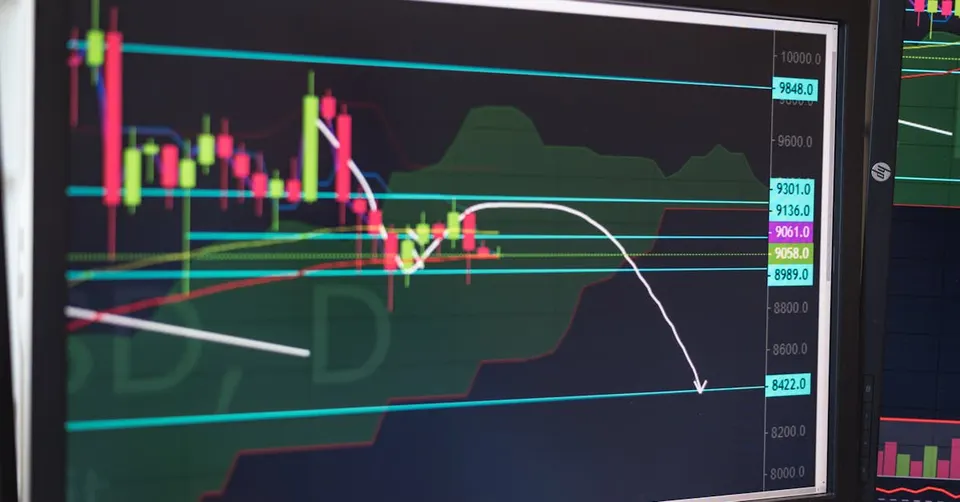
In the cryptocurrency space, Bitcoin (BTC) is trading at $78,105, while the market processes a significant technical event in the Litecoin ecosystem. Developers were forced to rewrite three hours of Litecoin’s history to undo an exploit in its privacy layer. This move, known as a 'reorg,' highlights the ongoing security challenges even in established blockchain networks. While Bitcoin remains the dominant store of value, such incidents remind market participants that the underlying technology of altcoins is still subject to critical vulnerabilities that can necessitate drastic centralized interventions to protect user funds.