English Election Chaos & Iran War Fallout: Markets Brace for Volatility
هرج و مرج انتخابات انگلیس و پیامدهای جنگ ایران: بازارها آماده نوسان
Voters in England are navigating a minefield of 'dodgy' election data, raising questions about political integrity ahead of local polls. Meanwhile, Iran's minister warns of prolonged price hikes for up to eight months following regional conflict, impacting global supply chains and consumer confidence.
At time of publishing
USD
157,750
Toman
Gold 18K
17.89M
Toman / gram
Bitcoin
$77,894
US Dollar
Tether
15,540.4
Toman
English Elections Mired in Misinformation as Voters Face 'Dodgy' Data
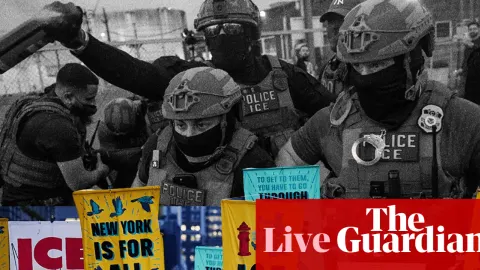
Local elections in England are being contested amidst a growing concern over the accuracy of campaign materials. An investigation by The Guardian reveals that party leaflets are disseminating misleading information, often relying on national polling data, questionable bar charts, and selective doorstep surveys to persuade voters. These materials frequently claim that only one party can win in a specific constituency or that another party has no chance, despite a lack of robust evidence to support such assertions. This tactic aims to influence tactical voting, potentially distorting the democratic process and eroding voter trust.
This wave of inaccurate campaigning raises significant questions about the integrity of the electoral process in the UK. When voters are presented with deliberately skewed information, their ability to make informed decisions is compromised. The reliance on 'dodgy' data not only undermines the credibility of the political parties involved but also fosters cynicism among the electorate. The implications extend beyond the immediate local contests; a pattern of misinformation can have long-term consequences for civic engagement and the health of democratic institutions. For Iranians, observing such internal political challenges in a major Western democracy can influence perceptions of global stability and the reliability of information sources, indirectly impacting currency sentiment and investment confidence.

---
Iran Minister Warns of Eight-Month Price Surge Post-Conflict
An Iranian minister has issued a stark warning, suggesting that elevated prices for goods and services could persist for as long as eight months following recent regional conflicts. This forecast highlights the potential for prolonged economic disruption, even as immediate hostilities may subside. The statement indicates that the government is actively monitoring stock levels and formulating contingency plans to mitigate further supply chain disruptions. This proactive stance suggests an awareness of the lingering fragility of the economic infrastructure and its vulnerability to external shocks.
The rationale behind this projection likely stems from a combination of factors, including the direct impact of conflict on production and transportation, as well as the broader geopolitical uncertainties that can deter investment and disrupt trade routes. For Iran, managing inflation and ensuring the availability of essential goods are critical for maintaining domestic stability and public confidence. The specter of prolonged price hikes can fuel anxiety among consumers and businesses alike, potentially leading to stockpiling or reduced spending, further complicating economic recovery efforts.
For the global economy, such a prediction underscores the interconnectedness of regional stability and international markets. Disruptions originating in the Middle East can have far-reaching consequences, influencing commodity prices, shipping costs, and inflation rates worldwide. This situation directly impacts the Iranian Toman, as global market sentiment and the perceived risk associated with the region can lead to currency fluctuations. The USD/IRR rate, currently at 157,750 (sell), reflects ongoing market pressures, and a prolonged period of high prices in Iran could exacerbate these trends, influencing consumer purchasing power and trade dynamics. The market is watching closely to see if these warnings translate into tangible economic policy or further exacerbate existing inflationary pressures.

---
Gaza Stalemate and Shifting Regional Focus
As ceasefires take hold in neighboring regions, attention is increasingly turning towards the complex situation in Gaza. The potential for a de-escalation in broader Middle East conflicts could shift the focus towards resolving the protracted deadlock in Gaza. However, significant hurdles remain, particularly concerning Hamas's demands regarding weapons and the contentious issue of future governance in the Palestinian territories. These unresolved matters pose a substantial threat to any prospect of a lasting truce.
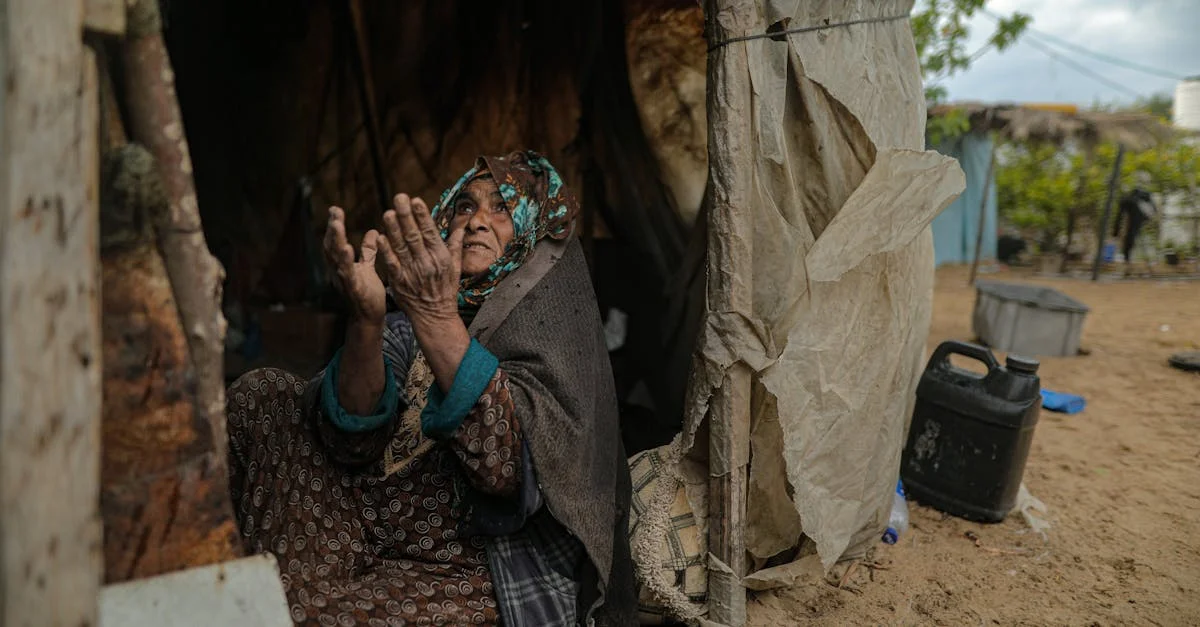
The current impasse in Gaza is characterized by deeply entrenched positions on both sides. Hamas's insistence on disarmament guarantees and a clear roadmap for self-governance clashes with the security and political objectives of other regional and international actors. Without a breakthrough on these core issues, any ceasefire is likely to be fragile and temporary. The humanitarian situation in Gaza remains dire, adding further urgency to the need for a sustainable resolution, but the political will and practical mechanisms for achieving one appear distant.
This ongoing instability in Gaza continues to cast a shadow over the wider Middle East, influencing regional power dynamics and international relations. While ceasefires elsewhere might suggest a cooling of tensions, the unresolved conflict in Gaza remains a significant source of potential escalation. For financial markets, particularly those sensitive to Middle Eastern stability, the situation in Gaza represents a persistent risk factor. Fluctuations in the USD/IRR exchange rate, as well as broader market sentiment towards emerging markets, can be indirectly affected by developments in this volatile region, even if direct price impacts are not immediately apparent.
Watch
How Iran's election could make history
Vox