Nuclear Stocks Surge Amid US-Iran Stalemate as Trump Security Crisis Grips Washington
جهش سهام انرژی هستهای در بحبوحه بنبست ایران و آمریکا و بحران امنیتی ترامپ در واشینگتن
As Vistra Corp and nuclear energy stocks hit new highs, a 'No War, No Peace' limbo settles over US-Iran relations. Meanwhile, Washington is reeling from a shooting at the White House Correspondents' Dinner, adding a layer of domestic chaos to an already volatile global market.
At time of publishing
USD
157,750
Toman
Gold 18K
17.89M
Toman / gram
Bitcoin
$78,049
US Dollar
Tether
15,508.2
Toman
The Nuclear Renaissance: Vistra and Cameco Lead the Dividend Charge
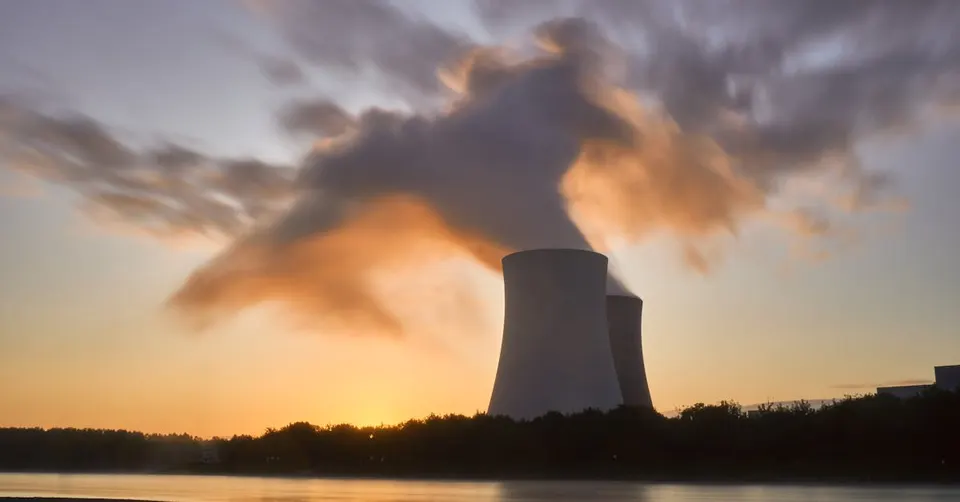
In a market defined by geopolitical uncertainty, the energy sector is finding a renewed anchor in nuclear power. Vistra Corp (VST) and Cameco Corporation (CCJ) have emerged as the standout performers this hour, as investors increasingly view nuclear energy not just as a green transition tool, but as a high-yield dividend sanctuary. The surge in these stocks reflects a broader shift in institutional portfolios toward assets that can withstand the inflationary pressures of a fractured global trade system. Vistra, in particular, has been identified as a top-tier buy for those seeking both stability and consistent returns, as the demand for 24/7 carbon-free baseload power reaches a fever pitch.
This trend is more than just a momentary spike; it represents a strategic bet on the long-term viability of the nuclear supply chain. As the US moves to decouple its energy infrastructure from adversarial influence, companies like BWX Technologies and NextEra Energy are also seeing significant momentum. For the average investor, this signals that the 'defensive' portion of the portfolio is moving away from traditional consumer staples and toward the high-tech, high-barrier-to-entry world of nuclear utilities. The acquisition of Precision Components Group by BWX Technologies further underscores the consolidation happening within this space, as major players race to secure their manufacturing capabilities.
---
Washington in Crisis: Shooting at the Correspondents' Dinner
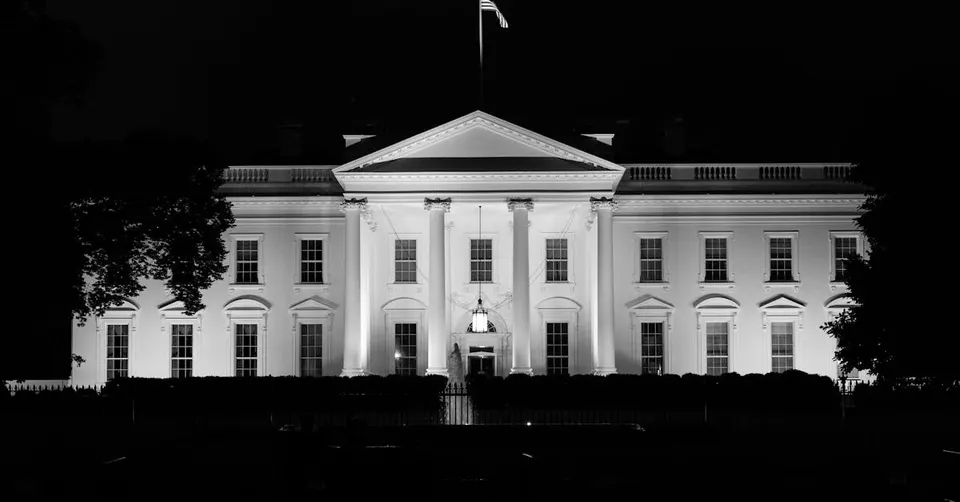
Geopolitical risk took a domestic turn in the United States as a shooting at the White House Correspondents' Dinner sent shockwaves through the capital. The suspect, identified as 31-year-old Cole Tomas Allen from California, allegedly targeted administration officials in an event that has raised serious questions about the security of President Donald Trump. Acting Attorney General Todd Blanche confirmed that Allen will face charges including the attempted killing of a federal officer. Trump has seized on the moment to reiterate his demand for a secure, dedicated ballroom on the White House grounds, framing the incident as a failure of current infrastructure to protect the executive branch.
This security breach is the third major incident involving Trump in three years, and it has immediate implications for the upcoming 2026 elections. As Florida and other states enter a redistricting war to secure House majorities, the perception of instability in Washington could dampen investor confidence in US domestic policy. The shooting has also complicated international diplomacy; Buckingham Palace is currently in talks regarding King Charles's scheduled visit to the US, as the security environment in D.C. remains heightened. For global markets, this internal friction in the US serves as a distraction that could slow down critical decision-making on trade and foreign policy.
---
The 'No War, No Peace' Limbo: US-Iran Relations Stagnate
On the international front, the relationship between Tehran and Washington has entered a period described by analysts as an "awkward limbo." Despite the resumption of talks, both sides appear to be settling into a stalemate where neither is willing to escalate to full-scale conflict, yet neither is ready to make the concessions necessary for a lasting deal. This 'No War, No Peace' dynamic has created a unique pressure cooker for the Iranian economy. In the last 24 hours, the US Dollar in the Tehran market rose from 155,950 to 157,750 Toman, a 1.2% increase that reflects the market's skepticism regarding a diplomatic breakthrough.
While the diplomatic track remains frozen, Bitcoin whales are reportedly building long positions, betting that the ongoing US-Iran standoff will continue to drive demand for decentralized assets. Funding rates remain deeply negative, yet the largest traders on platforms like Hyperliquid are leaning aggressively long as Bitcoin tags the $78,000 mark. This suggests that while traditional currency markets are reacting to the immediate friction, the crypto market is pricing in a prolonged period of global instability where Bitcoin serves as the ultimate hedge against sovereign risk and the 'limbo' of traditional diplomacy.
---
Market Realities: Gold and Toman in the Crosshairs
In Tehran, the gold market is showing signs of decoupling from the immediate volatility of the currency. The Emami coin saw a modest rise from 175,000,000 to 175,500,000 Toman (+0.3%), while 18k gold remained flat at 17,893,023 Toman per gram. This stability in gold, despite the 1.2% jump in the USD/IRR rate, suggests that local investors are already heavily positioned in 'safe haven' assets and are waiting for a more definitive signal before further adjusting their portfolios. The global gold price sitting at $4,710.80 per ounce provides a high floor for local prices, preventing any significant downward correction.
For the Iranian consumer, this means that the cost of living remains on an upward trajectory, driven primarily by the steady creep of the dollar. As Big Tech stocks in the US continue to roar back in April, providing a 'win-win' trade for global investors, the local Iranian market remains isolated from these gains, instead bearing the brunt of the 'limbo' policy. The lack of movement in gold compared to the dollar indicates a market that is 'priced to perfection,' where any sudden geopolitical shift—either a breakthrough or a breakdown—could trigger a massive re-valuation of all asset classes.
Frequently Asked Questions
Why is Vistra Corp (VST) trending in the markets right now?
How did the USD/IRR exchange rate change in the last 24 hours?
What is the significance of the shooting at the White House Correspondents' Dinner?
Understanding the USD/IRR Exchange Rate and Iran's Currency Regime
The Iranian rial (IRR) has long been a focal point for investors, policymakers, and everyday citizens because its value against the U.S. dollar (USD) reflects both domestic economic fundamentals and the impact of international sanctions. Iran officially maintains a managed float: the Central Bank of Iran intervenes in the foreign‑exchange market to keep the official rate within a narrow band, while a parallel market—often called the “free market” or “black market”—determines a much higher rate based on supply and demand. This dual‑rate system creates price distortions, complicates trade, and fuels arbitrage opportunities for those who can move money between the two markets.
Exchange rates are influenced by several forces: interest rate differentials, inflation expectations, political risk, and capital controls. In Iran’s case, high inflation and limited access to foreign currency have pushed the free‑market rate far above the official one. When sanctions tighten, the supply of dollars shrinks, causing the market rate to spike even more. Conversely, any diplomatic thaw—such as a potential US‑Iran agreement—can temporarily ease pressure, allowing the rial to appreciate modestly.
For investors, the USD/IRR relationship matters in two ways. First, it determines the real return on any asset denominated in rials; a sudden devaluation can wipe out nominal gains. Second, it creates currency risk for foreign investors holding Iranian assets or companies that earn revenue in dollars but report in rials. Hedging tools are scarce in Iran, so many resort to informal mechanisms like forward contracts on the black‑market rate, which carry legal and counter‑party risks. Understanding the mechanics of Iran’s exchange‑rate regime therefore helps investors gauge both the upside potential of a rial rebound and the downside of abrupt devaluation.
The broader lesson is that exchange‑rate regimes are policy choices that balance stability, monetary independence, and openness. Countries with fixed or heavily managed rates, like Iran, can protect domestic prices in the short run but often pay with reduced credibility and market distortions. Those with fully floating rates let the market set the price, which can be volatile but provides clearer price signals for investors. Observing how Iran navigates this trade‑off offers a real‑world case study of the challenges faced by economies under sanctions and political uncertainty.
Key takeaways: • Iran runs a dual‑rate system (official vs free‑market). • Sanctions and inflation drive the free‑market USD/IRR rate higher. • Currency risk is pronounced for foreign investors; hedging options are limited. • The exchange‑rate regime reflects a balance between stability and market efficiency.