Iranian Student Freed, White House Shooting Suspect Named, Hezbollah-Israel Clashes Escalate
دانشجوی ایرانی آزاد شد، مظنون تیراندازی کاخ سفید معرفی شد، درگیری حزبالله و اسرائیل تشدید یافت
An Iranian student released from French custody claims Western enemies target Iranian civilization itself. Meanwhile, the suspect in the White House Correspondents' Dinner shooting has been identified, and cross-border strikes between Israel and Hezbollah intensify, with Iran-linked talks remaining stalled.
At time of publishing
USD
157,750
Toman
Gold 18K
17.89M
Toman / gram
Bitcoin
$78,077
US Dollar
Tether
15,509.1
Toman
Iranian Student Claims 'Civilization War' After French Release
An Iranian student, recently released after several months of detention in France, has asserted that the primary objective of American and Zionist adversaries is not merely to confront the Islamic Republic, but to undermine Iranian civilization as a whole. The student, who was reportedly arrested for social media posts critical of the Gaza situation, highlighted this broader geopolitical struggle during an interview with IRNA. This narrative frames the ongoing international tensions not just as political or military conflicts, but as a deeper cultural and civilizational clash.
This perspective, amplified by state media, suggests a sophisticated psychological warfare component to international relations, aiming to erode cultural identity and historical continuity. The student's release, coupled with these statements, could be interpreted as a signal from Tehran, emphasizing its resilience and the perceived global opposition to its cultural influence. The broader implication is that diplomatic or economic pressures are part of a larger, more existential conflict, potentially influencing how Iran approaches future negotiations and its regional posture, especially concerning the Gaza conflict and its broader strategic objectives.

---
White House Shooting Suspect Identified Amidst Political Fallout
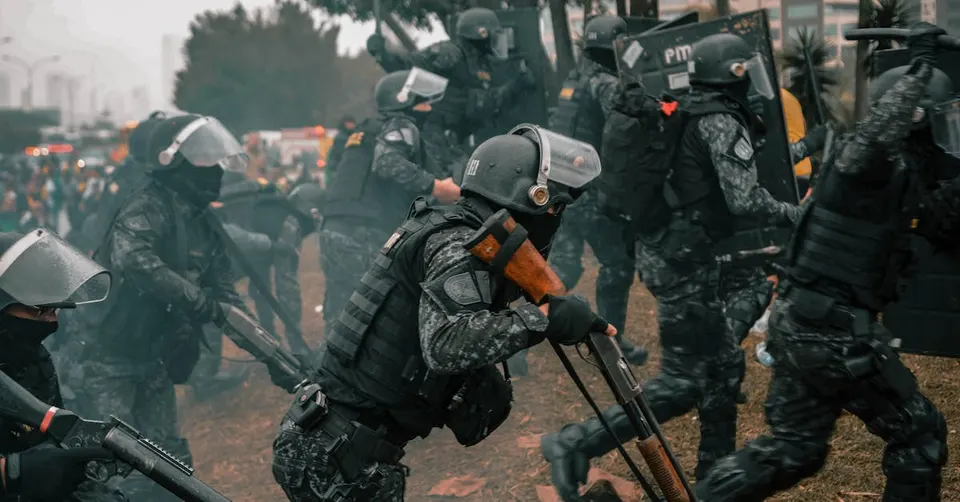
Law enforcement agencies have identified Cole Tomas Allen, a 31-year-old from Torrance, California, as the suspected gunman in the shooting incident at the White House Correspondents' Dinner. The event, which has sent ripples through Washington and heightened security concerns, saw President Trump evacuated for safety. Allen reportedly has no prior criminal record in Los Angeles County, according to initial searches, adding a layer of complexity to the investigation into his motives and any potential connections.
The identification of the suspect comes as conspiracy theories, such as the event being 'staged,' have proliferated on social media, further complicating the narrative and public perception. This underscores the current charged political climate, where even significant security incidents can become fodder for disinformation campaigns. The White House and federal agencies are likely to face increased scrutiny regarding security protocols and the dissemination of accurate information, especially as the investigation unfolds and the political implications are assessed.
---
Hezbollah-Israel Border Clashes Intensify Amid Stalled Iran Talks
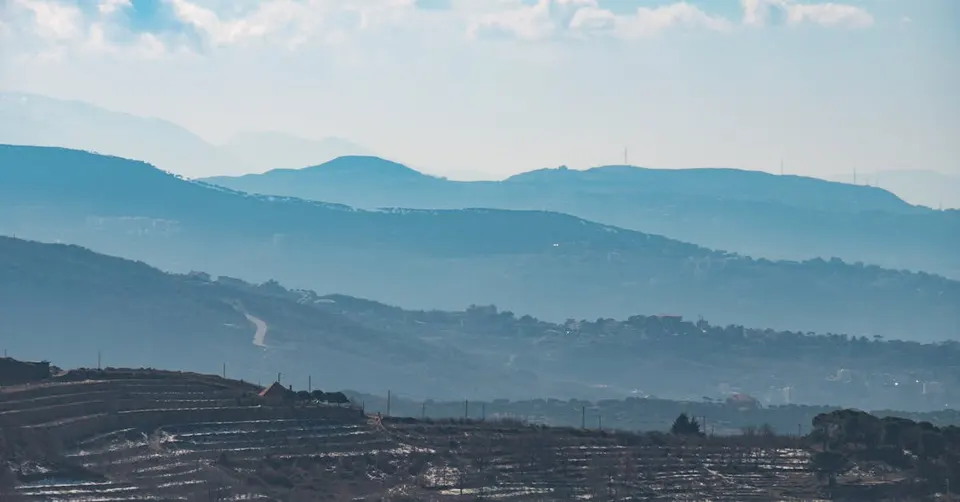
Cross-border exchanges of fire between Israel and Hezbollah in Lebanon have escalated, raising concerns about a wider regional conflict. These renewed hostilities occur while diplomatic efforts aimed at de-escalating tensions and establishing a lasting ceasefire remain stalled, with direct talks involving Iran reportedly on hold. The intensification of strikes follows a period of relative calm, suggesting a potential breakdown in existing de-escalation mechanisms.
This volatile situation directly impacts regional stability and carries significant implications for Iran, which is a key player in supporting Hezbollah. The ongoing military actions could complicate Iran's broader diplomatic objectives, including its engagement with European powers like France, as indicated by recent phone calls between their foreign ministers. The stalled talks and heightened military activity create an environment of increased risk, potentially affecting global energy markets due to proximity to key shipping lanes and impacting investor confidence across the Middle East and beyond.
---
US Crypto Traders Curtail Spending Amid Market Losses
A recent survey reveals that over a third of cryptocurrency traders in the United States are cutting back on daily expenses and postponing major purchases due to unrealized losses. This indicates a tangible impact of crypto market volatility on household finances and consumer spending patterns. The findings suggest that a significant portion of the trading community is experiencing financial strain, leading to more conservative financial behavior.
The implications extend beyond individual traders. A widespread reduction in discretionary spending by a segment of the population can have a noticeable effect on economic activity. As crypto markets continue their unpredictable swings, this trend could contribute to a broader slowdown in consumer demand. Furthermore, it highlights the growing interconnectedness between digital asset markets and the traditional economy, where significant price downturns in crypto can translate into real-world economic consequences for a growing number of individuals.

Frequently Asked Questions
What is the main claim of the Iranian student released from French jail?
Who has been identified as the suspect in the White House Correspondents' Dinner shooting?
What is the current situation between Israel and Hezbollah?
How are US crypto traders affected by market conditions?
What was the 24-hour change in the USD/IRR exchange rate and Emami coin price?
How Cryptocurrency Helps Sanctioned Actors Like Iran and Hezbollah Bypass Restrictions
Economic sanctions are tools that governments use to pressure a target country or organization by cutting off access to the international financial system, trade, and investment. The United States, the European Union and others have imposed extensive sanctions on Iran and on Hezbollah, aiming to limit their ability to fund military activities and nuclear programs. While sanctions can be effective, they also create incentives for those under pressure to seek alternative, less traceable ways to move money.
Cryptocurrencies—digital assets that use cryptographic techniques to secure transactions—offer exactly the kind of alternative the sanctioned can exploit. Because most crypto networks operate on decentralized blockchains, they are not directly controlled by any single government or bank. Users can transfer value across borders instantly, often with only a wallet address and a private key, bypassing traditional banking intermediaries that are subject to sanctions screening.
Iran and Hezbollah have increasingly turned to crypto to evade restrictions. Iran’s state‑run crypto exchange, the “National Digital Currency” initiative, and the use of peer‑to‑peer platforms allow the regime to receive payments for oil, minerals and illicit activities without exposing the funds to the U.S. Treasury’s Office of Foreign Assets Control (OFAC). Hezbollah, funded by Iranian channels, has been reported to accept donations in Bitcoin and other tokens, converting them into cash through unregulated exchanges that are harder for authorities to trace.
In response, governments are extending sanctions regimes to digital assets. The U.S. has added dozens of crypto wallets and service providers to its sanctions list, and international bodies are urging stricter anti‑money‑laundering (AML) and know‑your‑customer (KYC) standards for crypto exchanges. Nevertheless, the rapid evolution of blockchain technology means that enforcement must continuously adapt, and the cat‑and‑mouse game between sanction‑evasion networks and regulators is likely to intensify.
Understanding how cryptocurrencies can be weaponised for sanctions evasion is crucial for policymakers, investors, and the public. It highlights the need for coordinated global regulation and for vigilance in monitoring new financial technologies that can undermine traditional tools of international diplomacy.