German Trial for Elbit Raid, Iran War's Global Economic Ripple Effects
محاکمه در آلمان برای حمله به کارخانه البیت، اثرات اقتصادی جنگ ایران در جهان
A German court is set to try activists accused of raiding an Elbit Systems facility, highlighting geopolitical tensions. Meanwhile, the ongoing conflict in Iran is increasingly impacting global economies, from driving demand for electric vehicles to straining UK household finances.
At time of publishing
USD
157,750
Toman
Gold 18K
17.91M
Toman / gram
Bitcoin
$77,711
US Dollar
Tether
15,679.9
Toman
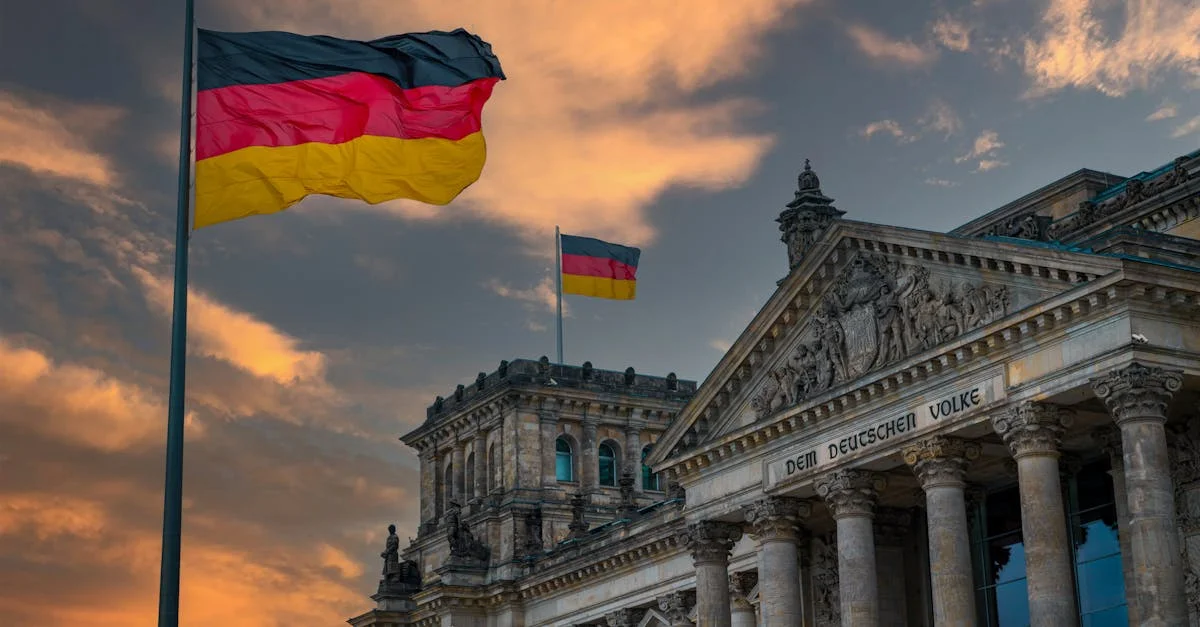
German Court to Trial Elbit Factory Raid Activists
A German court is preparing to hear the case against five European activists, dubbed the 'Ulm Five,' who are accused of raiding a facility linked to Elbit Systems, Israel's largest defense contractor. This trial brings into sharp focus the escalating international activism against companies involved in military production, particularly those with ties to ongoing conflicts. The accusations suggest a deliberate act of protest aimed at disrupting operations and drawing global attention to the company's role in the arms trade.
The implications of this trial extend beyond the immediate legal proceedings. It signals a potential increase in security concerns for defense manufacturers operating in Europe and could embolden similar activist groups in other regions. For Iran, such events underscore the interconnectedness of global geopolitical landscapes. While not directly involved, the heightened tensions and activist actions against Israeli defense firms can indirectly influence regional stability perceptions and potentially impact international diplomatic efforts, affecting investor confidence and capital flows that are crucial for Iran's economic recovery.

---
Iran War Fuels Global EV Demand and Strains UK Finances
The ongoing conflict involving Iran is having a pronounced, albeit varied, impact on the global economy. Al Jazeera reports that electric vehicle (EV) sales are surging across numerous markets, from Australia to Vietnam. This trend is directly attributed to the rising costs associated with running traditional petrol and diesel vehicles, a consequence of the instability and supply chain disruptions stemming from the conflict. As fuel prices become more volatile and unpredictable, consumers and businesses are increasingly looking towards EVs as a more stable and cost-effective alternative in the medium to long term.
Simultaneously, the economic repercussions are being felt acutely by individuals in countries not directly involved in the fighting. BBC Panorama has highlighted how British families are experiencing significant strain on their household finances due to the Iran war. This suggests that the conflict's impact is not limited to energy markets but has broader inflationary effects, potentially influencing shipping costs, insurance premiums, and the overall cost of imported goods. The war's ripple effects are demonstrating a globalized economic system where regional conflicts can quickly translate into tangible financial burdens for ordinary citizens far from the front lines.

---
Bitcoin Reverses Gains Amidst Market Volatility
Bitcoin experienced a notable pullback, surrendering gains that had pushed its price above the $79,000 mark. This price action reflects the inherent volatility within the cryptocurrency market, where rapid rallies can be quickly followed by significant corrections. While the exact catalysts for this reversal are multifaceted, they often include profit-taking by traders, shifts in market sentiment, and broader macroeconomic factors influencing risk appetite. The upcoming Vegas 2026 summit is being eyed, suggesting that anticipation for industry events can also play a role in short-term price movements.
The reversal in Bitcoin's price has broader implications for the digital asset landscape and investor confidence. For those closely monitoring the cryptocurrency markets, this serves as a reminder of the speculative nature of these assets. The fluctuation can impact the perceived stability of cryptocurrencies as a store of value or a medium of exchange. For Iran, where digital assets are a subject of ongoing regulatory discussion, such volatility reinforces the cautious approach many policymakers might take, while also presenting potential opportunities for individuals seeking alternative investment avenues, albeit with elevated risk.

Frequently Asked Questions
What is the significance of the Elbit Systems factory raid trial in Germany?
How is the Iran conflict affecting global demand for electric vehicles?
What is the impact of the Iran war on household finances in the UK?
Why did Bitcoin's price fall after reaching above $79,000?
What is the connection between the Iran conflict and China's metals boom?
How Economic Sanctions Ripple Through Global Supply Chains
Economic sanctions are tools that governments use to pressure a target country, company, or individual by restricting trade, finance, or technology. While the immediate aim is political—such as curbing a nation’s nuclear program or punishing human‑rights violations—the secondary effects can spread far beyond the sanctioned entity. When a major defense contractor like Israel’s Elbit Systems is caught up in a German court case, banks, suppliers, and downstream industries must quickly assess compliance risk, often freezing payments or canceling contracts to avoid secondary sanctions.
These precautionary moves can trigger a cascade of disruptions in global supply chains. For example, many electric‑vehicle (EV) manufacturers rely on components sourced from Europe, the Middle East, and Asia. If a sanction blocks the export of a critical semiconductor or battery material, automakers may face production delays, higher costs, or the need to re‑tool factories for alternative parts. The ripple effect can also reach financial markets: investors may pull capital from firms perceived as exposure‑heavy, driving down stock prices and widening credit spreads.
The broader economy feels the shock through higher consumer prices and slower growth. A study by the International Monetary Fund (IMF) showed that comprehensive sanctions can shave 0.5‑1 % off global GDP in the short term, mainly because of reduced trade volumes and increased uncertainty. Moreover, the volatility can boost interest in alternative assets such as Bitcoin, which some investors view as a hedge against geopolitical risk, although its price is itself highly speculative.
Understanding the mechanics of sanctions helps policymakers, businesses, and investors anticipate unintended consequences. Companies can mitigate risk by diversifying suppliers, maintaining robust compliance programs, and monitoring geopolitical developments closely. For individuals, recognizing how a single legal case can reverberate through sectors—from defense to EVs to digital currencies—highlights the interconnected nature of today’s global economy.