Iran's 'Unplayed Cards,' Sanctioned Refiners, and Ukraine War's Shadow
ایران «کارتهای رو نشده» دارد؛ پالایشگاههای چینی تحریم شدند؛ سایه جنگ اوکراین
Iran's Parliament Speaker asserts the nation holds strategic leverage, countering US claims, while new sanctions target Chinese refiners involved in Iranian crude trade. Meanwhile, the conflict in Ukraine continues to impact European security and global energy dynamics.
At time of publishing
USD
157,750
Toman
Gold 18K
18.12M
Toman / gram
Bitcoin
$77,592
US Dollar
Tether
15,683.8
Toman
Iran's Strategic Leverage: 'Unplayed Cards' Asserted
Iranian Parliament Speaker Mohammad Bagher Ghalibaf has publicly stated that Iran possesses significant "unplayed cards" in its ongoing standoff with the United States. This assertion directly challenges remarks made by U.S. President Donald Trump, who claimed Washington held all the leverage. Ghalibaf's statement, reported by IRNA, suggests a strategic depth to Iran's position that may not be immediately apparent to external observers. The implication is that Tehran has undisclosed options or assets it can deploy should the need arise, aiming to recalibrate the perceived power imbalance.
This verbal sparring is more than just rhetoric; it signals Iran's intent to maintain a strong negotiating posture, even under external pressure. For the Iranian populace, such statements can influence currency expectations and general economic confidence, suggesting that the government is prepared to navigate complex geopolitical challenges. The mention of "unplayed cards" could refer to a variety of potential responses, from diplomatic maneuvers to economic countermeasures, and its effectiveness will depend on how these are perceived and potentially acted upon by international players. The core message is one of resilience and strategic preparedness in the face of perceived U.S. dominance.

---
Sanctions Hit Chinese Refiners Over Iranian Crude Trade
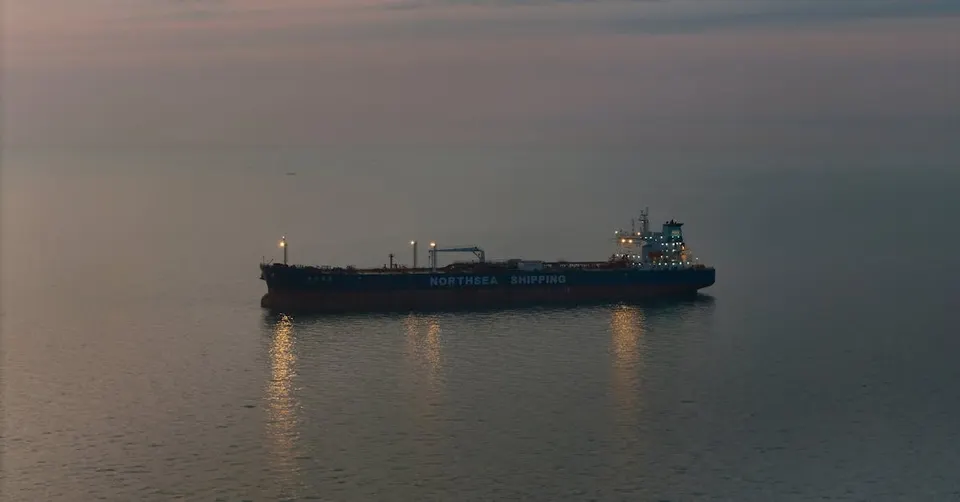
Chinese refiner Hengli Petrochemical experienced a significant 10% drop in its stock value following the imposition of new U.S. sanctions. The sanctions allege that the company engaged in the purchase of crude oil from Iran, a move that contravenes existing U.S. restrictions on the energy sector. Hengli, one of China's largest independent refiners, has vehemently denied the allegations, asserting that it has never traded with Iran and that its suppliers have provided guarantees regarding the origin of the crude oil, ensuring it falls outside the scope of U.S. sanctions.
This development underscores the extraterritorial reach of U.S. sanctions and their impact on global supply chains. For Chinese refiners, particularly those reliant on imported crude, navigating these sanctions presents a complex challenge. It highlights the delicate balance China must strike between its energy needs, its economic ties with Iran, and its relationship with the United States. The market reaction suggests investor concern over potential further sanctions or disruptions to supply, which could ripple through the global oil market and impact prices, ultimately affecting inflation and economic growth.
---
Ukraine Conflict Echoes: Odesa Targeted, Europe Bolsters Defense
The conflict in Ukraine continues to escalate, with reports indicating that Odesa has been the primary target of recent Russian attacks. This persistent targeting highlights the ongoing strategic importance of Ukrainian port cities and infrastructure. Meanwhile, European nations are actively seeking ways to bolster their defenses and support Ukraine's resilience. Polish Prime Minister Donald Tusk announced plans for Warsaw to "build a drone armada," leveraging Ukrainian expertise gained from the conflict. This initiative aims to create a technological advantage, providing enhanced air defense capabilities for Ukraine, Poland, and Europe.
The broader implications of these attacks extend beyond immediate military objectives. The continued conflict in Ukraine fuels geopolitical uncertainty, impacting global energy markets and potentially influencing international trade routes. For Europe, the focus on developing advanced drone technology and defense cooperation signifies a strategic shift towards greater self-reliance and a proactive approach to regional security. The collaboration between Poland and Ukraine in this domain suggests a deepening security partnership, driven by the shared threat from Russian aggression and a desire to leapfrog technological epochs in defense capabilities.
---
Iran-Azerbaijan Border Cooperation Remains Strong
Despite broader geopolitical tensions, Iran's customs chief has reported that border cooperation with Azerbaijan remains at a "favorable level." Specifically, the Bileh-Savar customs office in Iran's Ardabil Province has received authorization to expedite the clearance of imported vehicles. This news, disseminated by IRNA, points to a functional and cooperative relationship at the ground level, facilitating trade and movement across the shared border.
This positive update on border cooperation offers a measure of stability amidst a complex regional landscape. For Iranian businesses and consumers, efficient customs operations can translate into smoother trade flows and potentially more accessible imported goods. While not a major market-moving event on its own, it contributes to a narrative of functional diplomacy and economic interaction that can provide a degree of reassurance to the domestic economy, even as international pressures persist. It suggests that despite external pressures, essential cross-border economic activities continue to operate effectively.