Diplomatic Chill Hits Oil Markets as US-Iran Peace Talks Stall; Rinehart Sparks Immigration Firestorm
انجماد دیپلماسی و جهش قیمت نفت؛ جنجال «راینهارت» بر سر مهاجران در استرالیا
Global energy markets are on edge as President Trump halts negotiations with Iran, sending Brent crude past $100. Meanwhile, a controversial nationalist speech in Australia signals a hardening global stance on migration.
At time of publishing
USD
157,750
Toman
Gold 18K
17.89M
Toman / gram
Bitcoin
$77,790
US Dollar
Tether
15,571.1
Toman
Market Open — The Toman Holds its Breath
The Iranian market opened this Monday with a sense of cautious stability, though the underlying tension in global energy markets is palpable. The US Dollar (USD) remains steady at a sell rate of 157,750 Toman, showing no change (0.0%) over the last 24 hours. This stagnation suggests that local traders are waiting for a clearer signal from the stalled international negotiations before committing to a new direction. Gold prices followed a similar pattern, with 18k gold holding firm at 17,893,023 Toman per gram (+0.0%).
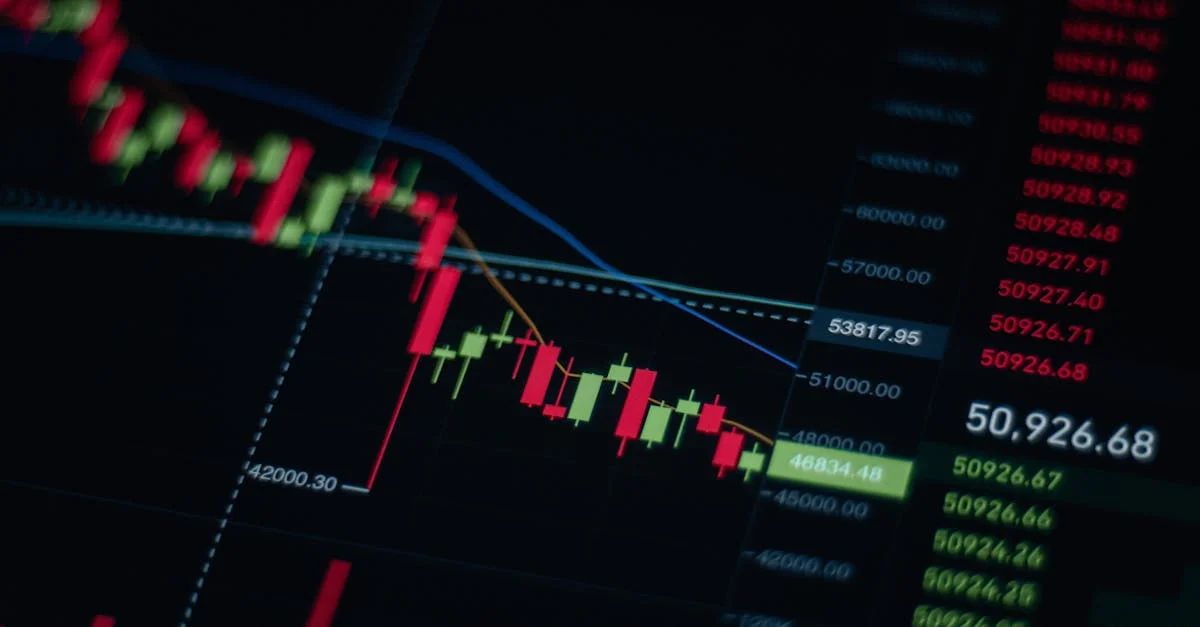
However, the coin market showed a slight upward tick, with the Emami coin rising to 176,000,000 Toman, a 0.3% increase from yesterday's 175,500,000. In the crypto space, Bitcoin is struggling to break through a formidable 'seller wall' at $79,400, currently trading around $77,790. While the global 'Fear & Greed' index has moved back into neutral territory, the lack of a diplomatic breakthrough is keeping the Toman in a precarious equilibrium. Investors should watch the 158,000 level for the Dollar closely today.
The Anzac Outcry: Gina Rinehart’s Hardline Pivot
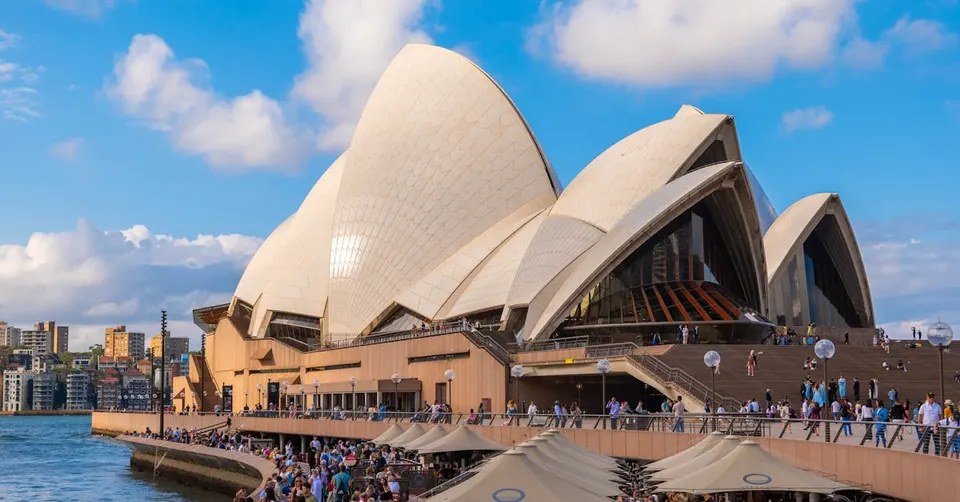
In a move that has sent shockwaves through the Australian political landscape and beyond, mining magnate Gina Rinehart used an Anzac Day memorial speech to call for the mandatory screening of immigrants' social media accounts. Speaking to a crowd of 4,000 at the Sydney Opera House, Australia’s richest person argued that the nation’s security depends on vetting the digital footprints of newcomers. She also claimed that the current education system is teaching children to be 'ashamed' of the Australian flag, a narrative that aligns with a growing global trend of resource-backed nationalism.
This isn't just a local Australian story; it represents a significant shift in the rhetoric of the global elite. Rinehart’s company, Hancock Prospecting, sponsored the event, highlighting how private corporate power is increasingly steering national security and identity debates. For the Iranian diaspora and those looking to migrate, such statements from influential figures often precede actual policy shifts. It signals a world becoming more insular, where the 'digital past' of a migrant could become a barrier to entry in Western economies.
Beyond the social implications, Rinehart’s stance reflects a broader 'risk-off' sentiment. When the world’s leading commodity exporters begin focusing on internal security and nationalistic identity, it often correlates with a tightening of trade borders. This hardening of hearts in the West makes the geopolitical environment even more complex for countries like Iran, which are already navigating a labyrinth of sanctions and international scrutiny.
Diplomacy on Ice: Why US-Iran Talks Stalled
The single most impactful story for your wallet today is the sudden halt in US-Iran peace talks. President Trump announced over the weekend that the United States has cancelled plans to send a negotiating team to Pakistan, effectively freezing the diplomatic process. This decision has immediately reverberated through the energy sector. Goldman Sachs has already reacted by raising its oil price forecast, now seeing Brent crude at an average of $90 for the final quarter, though current prices have already surged past $106 per barrel.
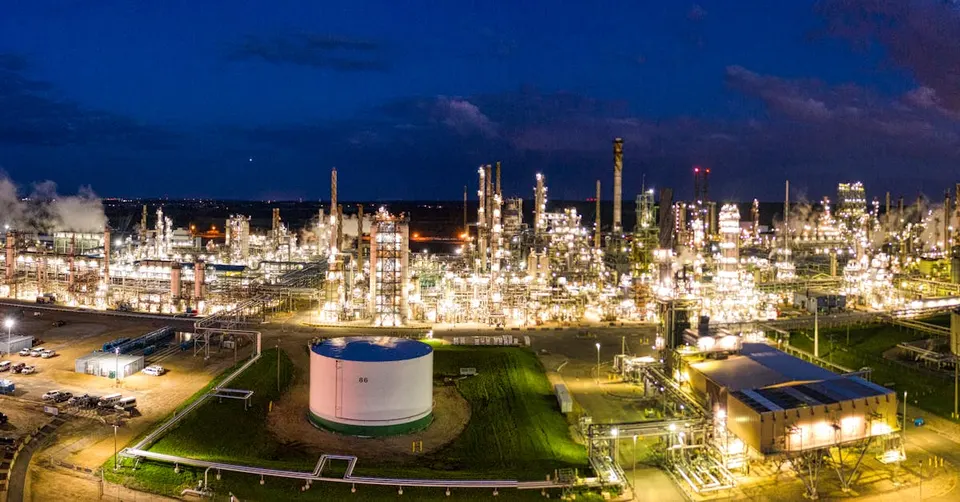
The stall in negotiations is primarily due to what Washington calls 'irreconcilable differences' over regional influence and the speed of sanctions relief. For Iran, this means the expected 'peace dividend'—which many hoped would strengthen the Toman and lower inflation—is being deferred indefinitely. The market is now pricing in a 'risk premium' on every barrel of oil, fearing that continued hostilities could lead to further disruptions in the Strait of Hormuz, a chokepoint that has already seen structural gas demand destruction according to the Gas Exporting Countries’ Forum.
What this means for the average reader is a likely continuation of high living costs. As oil prices rise, global transportation costs follow, which eventually trickles down to the price of imported goods in Iran. Furthermore, the failure to reach a deal keeps the Iranian economy in a state of 'sanctions-limbo,' preventing the large-scale foreign investment needed to modernize infrastructure and stabilize the local currency in the long term.
The 'Ulm 5' and the Legal Front of the Middle East Conflict
While the high-level diplomats are retreating, the conflict is moving into European courtrooms. In Germany, five pro-Palestine activists—known as the 'Ulm 5'—are facing trial for an attack on an Israeli arms factory. The activists, who hold British, Irish, German, and Spanish citizenship, are accused of causing hundreds of thousands of euros in damage to Elbit Systems. Their families have decried the proceedings as a 'show trial,' claiming the activists are being held under extreme prison conditions.

This trial is a bellwether for how Western legal systems will handle the domestic fallout of Middle Eastern conflicts. It illustrates the deep polarization within Europe, where governments are attempting to balance their support for Israel with a highly vocal and active pro-Palestinian segment of their own citizenry. The outcome of this trial could set a legal precedent for how 'political sabotage' is prosecuted in the EU, potentially leading to stricter laws against activists who target defense contractors.
For the global observer, this situation adds another layer of geopolitical risk. When civil unrest and legal battles over foreign policy become commonplace in major economies like Germany, it can affect everything from tourism to international business cooperation. It also keeps the Middle East conflict at the forefront of the European political agenda, ensuring that Iran-related issues remain a primary concern for EU policymakers, for better or worse.
Frequently Asked Questions
Why did the US-Iran peace talks stall?
How high could oil prices go following the failed talks?
What was the main controversy in Gina Rinehart's speech?
Who are the 'Ulm 5' and why are they on trial?
The Strategic Importance of the Strait of Hormuz in Global Oil Markets
The Strait of Hormuz, a narrow waterway between Oman and Iran, is one of the world’s most critical chokepoints for energy trade. Roughly 20% of global petroleum consumption—about 21 million barrels per day—passes through this 21‑mile{}‑wide 60‑mile{}-long strait. Because the majority of the world’s oil‑producing nations in the Middle East (Saudi Arabia, Iraq, Kuwait, United Arab Emirates, and Qatar) export via Hormuz, any disruption—whether from geopolitical tension, naval incidents, or deliberate closures—can instantly ripple through global oil prices.
The physics of supply and demand amplify these shocks. When market participants anticipate a potential cut in supply, they bid up futures contracts, creating a price spike even before any physical interruption occurs. The 2026 oil price rally, for instance, was driven largely by fears that stalled US‑Iran peace talks could lead to Iranian retaliation in the form of mining or missile attacks on shipping in the strait. Historical precedents, such as the 2019‑2020 Iranian missile attacks on tankers and the 2021 “Houthi” attacks in the Red Sea, show how quickly perceived threats translate into higher spot prices and increased volatility.
The strait’s strategic value also makes it a focal point for naval power projection. The United States maintains a constant carrier presence to guarantee freedom of navigation, while Iran has repeatedly threatened to close the waterway as a bargaining chip. This military‑economic interplay creates a feedback loop: heightened tension raises insurance premiums for tankers, encourages rerouting around the longer Cape of Good Hope, and pushes up the cost of refined products worldwide. Consequently, even non‑oil commodities—like gold and Bitcoin, which investors view as safe‑havens—often experience price movements correlated with Hormuz‑related oil shocks.
Understanding the Strait of Hormuz’s role helps explain why diplomatic developments (e.g., US‑Iran talks) can have outsized effects on seemingly unrelated markets such as precious metals or cryptocurrencies. It also underscores the importance of geopolitical risk assessment in energy trading strategies and why analysts closely monitor naval activity reports, satellite imagery of ship traffic, and diplomatic statements for early warning signals.
For anyone following global markets, remembering that a single 21‑mile passage can shift the price of a barrel of oil by several dollars—and consequently influence the broader financial system—highlights the interconnectedness of geopolitics and economics in the 21st‑century world.