Trump Signals Dialogue Amid White House Shooting Chaos as Tehran Airport Reopens and Oil Surges
سیگنال مذاکراتی ترامپ در میانه تیراندازی واشینگتن؛ بازگشایی فرودگاه امام و تداوم التهاب در بازار نفت
A shooting at the White House correspondents’ dinner has sent shockwaves through Washington, but Donald Trump’s subsequent invitation for Iran to 'telephone' has captured the market's attention. Meanwhile, Tehran’s international airport resumes operations as Brent crude pushes toward $108 amid ongoing Hormuz disruptions.
At time of publishing
USD
158,950
Toman
Gold 18K
18.21M
Toman / gram
Bitcoin
$77,743
US Dollar
Tether
15,806
Toman
The Washington Attack and the 'Telephone' Signal
The political landscape in Washington D.C. has been upended following a dramatic shooting at the White House correspondents’ dinner. The suspect, identified as 31-year-old Cole Tomas Allen, is facing heavy federal charges including the attempted assassination of the President. While the capital remains in a state of high alert and soul-searching regarding political violence, the most significant takeaway for international observers was Donald Trump’s reaction. In the aftermath of the chaos, Trump signaled a potential diplomatic pivot, stating that Iran "can telephone if it wants to negotiate." This remark has immediately injected a layer of speculative volatility into the Iranian Toman market, as traders weigh the possibility of a de-escalation against the backdrop of recent kinetic strikes.
For Iranian readers, this signal is a double-edged sword. On one hand, the mention of a "telephone call" suggests that the administration might be looking for an off-ramp to the current regional escalation. On the other hand, the domestic instability in the U.S. caused by such attacks often leads to unpredictable foreign policy lurches. The USD/IRR rate has already shown sensitivity to these developments, moving from 157,750 to 158,950 Toman, a 0.8% increase in the last 24 hours. This suggests that while the rhetoric is leaning toward negotiation, the market remains guarded, pricing in the risk of further domestic American chaos affecting global sanctions enforcement.
The Strait of Hormuz and the $108 Oil Reality
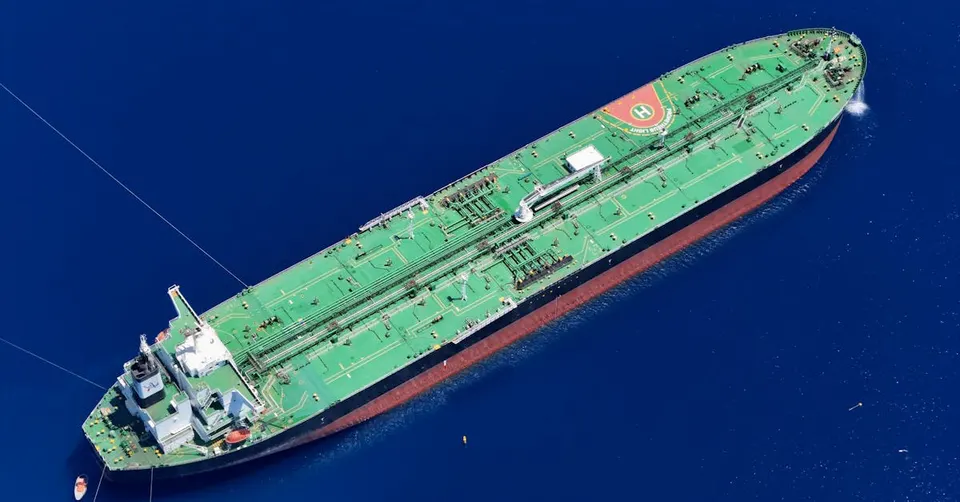
While diplomatic signals are being sent from Washington, the physical reality in the Persian Gulf remains tense. Brent crude prices surged to $107.80 per barrel this morning as disruptions in the Strait of Hormuz continue to drive a significant risk premium into the energy markets. Stalled U.S.-Iran diplomacy—despite Trump's recent comments—has left traders fearing a prolonged supply shock. The OPEC basket and Murban crude have followed suit, rising to $108.30 and $104.80 respectively. This energy spike is not just a regional concern; it is a global inflationary trigger that is already causing ripples in European and American equity futures.
In the United Kingdom, Downing Street has attempted to project a sense of calm, stating that the country is in a "good position" to handle supply chain disruptions. However, the internal political pressure on Prime Minister Keir Starmer is mounting, with opposition figures like Kemi Badenoch calling for inquiries into the government's handling of the crisis. For the Iranian economy, these high oil prices provide a theoretical revenue boost, but the reality of sanctions and the logistical nightmare of the Hormuz blockade mean that the "oil windfall" is difficult to capture. The result is a persistent inflationary pressure on the Toman, which is struggling to find a floor even as global energy costs skyrocket.
Tehran Reopens Its Skies Amidst a Somber Toll
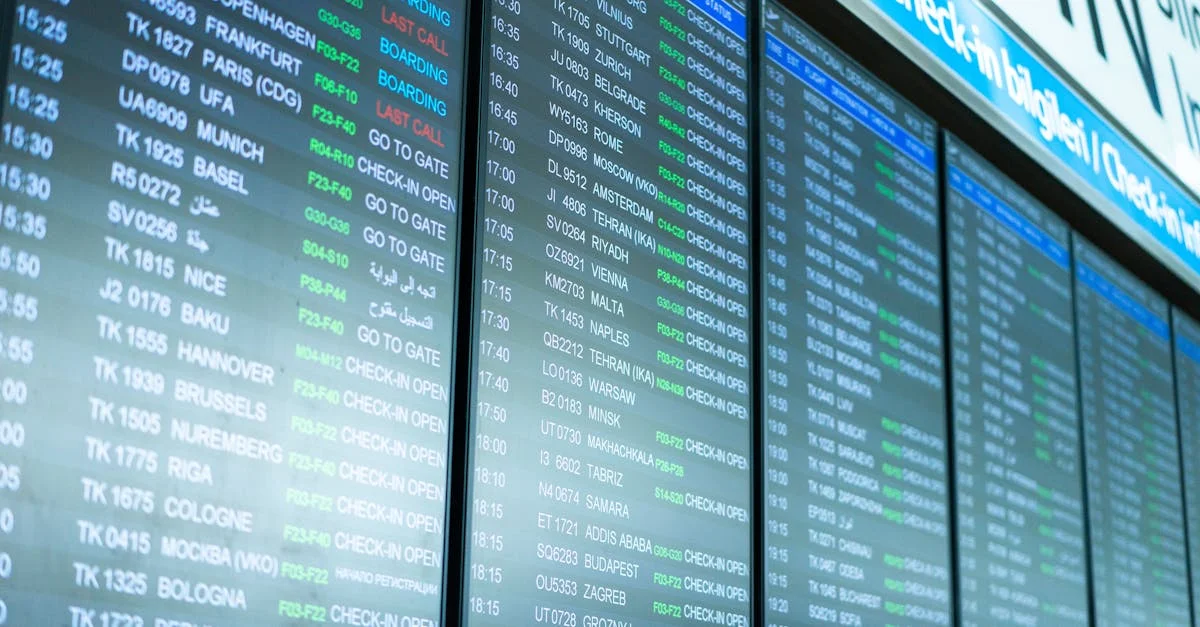
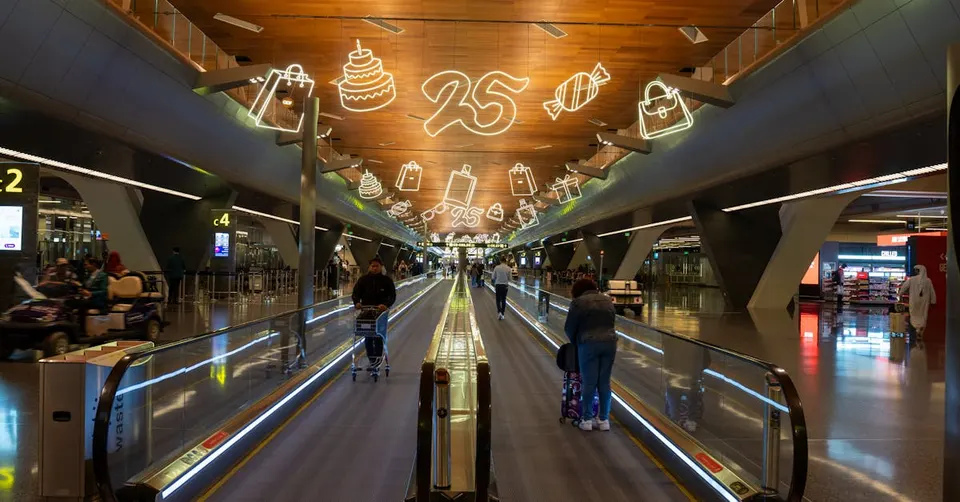
In a sign of cautious normalization, Tehran’s Imam Khomeini International Airport (IKIA) resumed international flights on Monday morning. The airport had been largely suspended for several weeks following a series of escalations that began in late February. The resumption of flights is a critical step for Iranian trade and personal mobility, yet it occurs under a heavy shadow. The Ministry of Education recently announced a tragic toll from the recent weeks of conflict, reporting that 346 students and teachers were martyred in the recent wave of attacks. This human cost highlights the underlying fragility of the current "return to normal."
From an economic perspective, the reopening of IKIA is expected to provide some relief to the logistics sector, but the financial markets are still in a defensive crouch. Gold prices in Tehran have seen a sharp move, with 18k gold rising from 17,893,023 to 18,213,906 Toman per gram (+1.8%). Similarly, the Emami coin has jumped 2.0%, moving from 175,500,000 to 179,000,000 Toman. This flight to safety indicates that while planes are taking off again, investors are not yet ready to abandon their hedges against further regional instability.
Market Bifurcation: From Bitcoin Hoarding to Biotech Breakthroughs
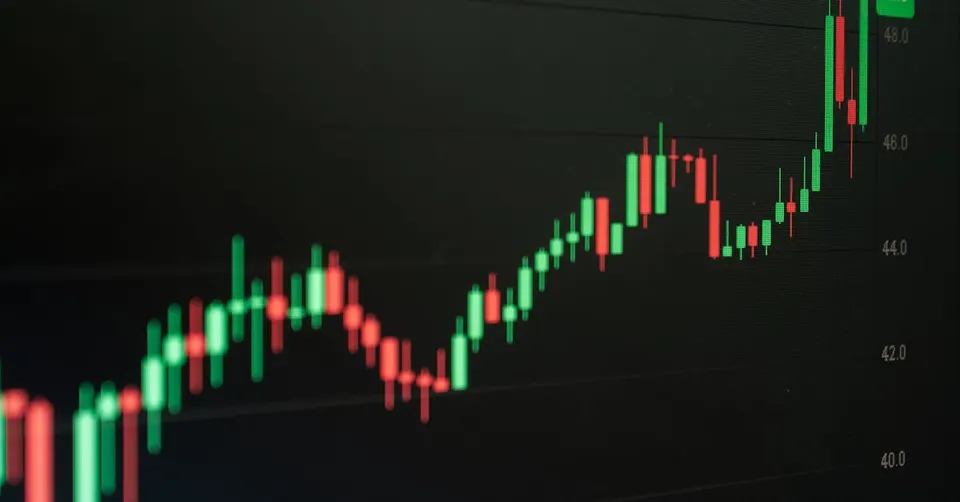
While the headlines are dominated by war and diplomacy, the underlying currents of global capital are moving in fascinating directions. Michael Saylor’s MicroStrategy has once again doubled down on its Bitcoin thesis, acquiring another 3,273 BTC for approximately $255 million. This brings their total holdings to nearly 4% of the entire Bitcoin supply. In Tehran, the crypto market remains a vital escape valve for capital, with Bitcoin trading at $77,743 and Tether (USDT) sitting at 15,806 Toman. The "beat goes on" for digital assets, which are increasingly viewed as the ultimate neutral ground in a world of weaponized finance.
Interestingly, even as Meta Platforms faces setbacks—such as its $2 billion AI acquisition being blocked by China—other sectors are finding unexpected success. A new clinical trial for a safer formulation of a popular hair-loss drug has shown robust results, leading to a surge in interest for biotech stocks. This bifurcation of the market—where one side is obsessed with the existential risks of the Iran-U.S. conflict and the other is focused on consumer technology and health—shows the resilient, if somewhat detached, nature of global capitalism. For the average Iranian investor, navigating this world requires a balance between local gold security and global digital asset exposure.
Frequently Asked Questions
What did Donald Trump say about Iran after the White House shooting?
Why did Brent crude oil prices surge to nearly $108?
Is Tehran's Imam Khomeini International Airport fully operational?
How has the Toman reacted to the recent news from Washington?
The Strategic Importance of the Strait of Hormuz in Global Oil Markets
The Strait of Hormuz, a narrow waterway between Iran and Oman, is one of the world’s most critical chokepoints for petroleum. Roughly 20% of global oil consumption passes through this 21‑mile‑wide channel each day, making any threat to its security instantly reverberate in crude‑price movements. When tensions flare—whether from diplomatic spats, military incidents, or regional conflicts—shipping companies may reroute vessels, insurers raise premiums, and traders price in a risk premium, all of which can push oil prices upward.
Historically, the strait has been a flashpoint. During the 1980s Iran–Iraq War, both sides mined the waterway, prompting the U.S. Navy’s Operation Earnest Will to escort tankers. More recently, in 2019, Iran’s temporary closure of the strait after a series of attacks on oil tankers caused Brent crude to spike by over $10 per barrel within days. These episodes illustrate how geopolitical risk in a confined maritime corridor can amplify market volatility far beyond the immediate region.
The mechanics of price impact are straightforward. A disruption reduces the effective supply of oil on the market, while expectations of prolonged instability encourage speculative buying. Additionally, higher freight costs and insurance fees are passed on to end‑users, further inflating prices. Traders also watch related assets—gold and Bitcoin—because they often act as hedges against oil‑related inflation and uncertainty, a behavior highlighted by recent statements from investors like Michael Saylor.
Understanding the Strait of Hormuz’s role helps explain why news of Iranian airport reopenings, White House security incidents, or diplomatic overtures from figures such as former President Trump can cause immediate ripples in commodity markets. Even seemingly unrelated events can shift risk assessments, prompting rapid price adjustments in oil, gold, and even cryptocurrencies.
Policymakers and investors alike monitor the strait closely, using tools like satellite imagery of tanker traffic and naval patrol reports to gauge real‑time conditions. As global energy demand grows and alternative routes remain limited, the strategic importance of the Strait of Hormuz is unlikely to diminish, making it a perpetual focal point for anyone tracking energy economics.