Lebanon Truce Under Fire as Hormuz Closure Forecasts Send Tehran Markets Soaring
لرزه بر پیکر آتشبس لبنان؛ سایه انسداد هرمز بر بازار طلا و ارز تهران
A deadly day in Lebanon has shaken the fragile ceasefire between Israel and Hezbollah, while new forecasts suggest the Strait of Hormuz could remain restricted until late 2026, driving USD and Gold prices higher in Tehran.
At time of publishing
USD
158,950
Toman
Gold 18K
18.22M
Toman / gram
Bitcoin
$77,869
US Dollar
Tether
15,787.3
Toman
The Fragile Silence: Lebanon Truce Under Siege
At 15:00 Tehran time, the geopolitical landscape in the Middle East has darkened significantly. The ceasefire between Israel and Hezbollah, which many hoped would bring a lasting respite to the region, is currently facing its most severe test since its implementation just over a week ago. Lebanon's health ministry reported that Israeli strikes on the country's south killed 14 people on Sunday, marking the deadliest day since the truce began. Both sides are now engaged in a dangerous cycle of accusations, with Prime Minister Benjamin Netanyahu stating that the Israeli military is "vigorously" targeting Hezbollah in response to what he terms as breaches of the agreement.
This escalation is not merely a local skirmish; it represents a fundamental threat to the regional security architecture. For Iranian observers, the fragility of this truce is a primary driver of market sentiment. Hezbollah has vowed to continue responding to "violations," suggesting that the low-intensity conflict could re-ignite into a full-scale war at any moment. This uncertainty creates a persistent risk premium on regional assets. As long as the border remains hot, the hope for a broader diplomatic de-escalation between Tehran and the West remains stalled, directly impacting the psychological floor of the Iranian Toman.
The 2026 Energy Shock: Hormuz Closure and the Tehran Market
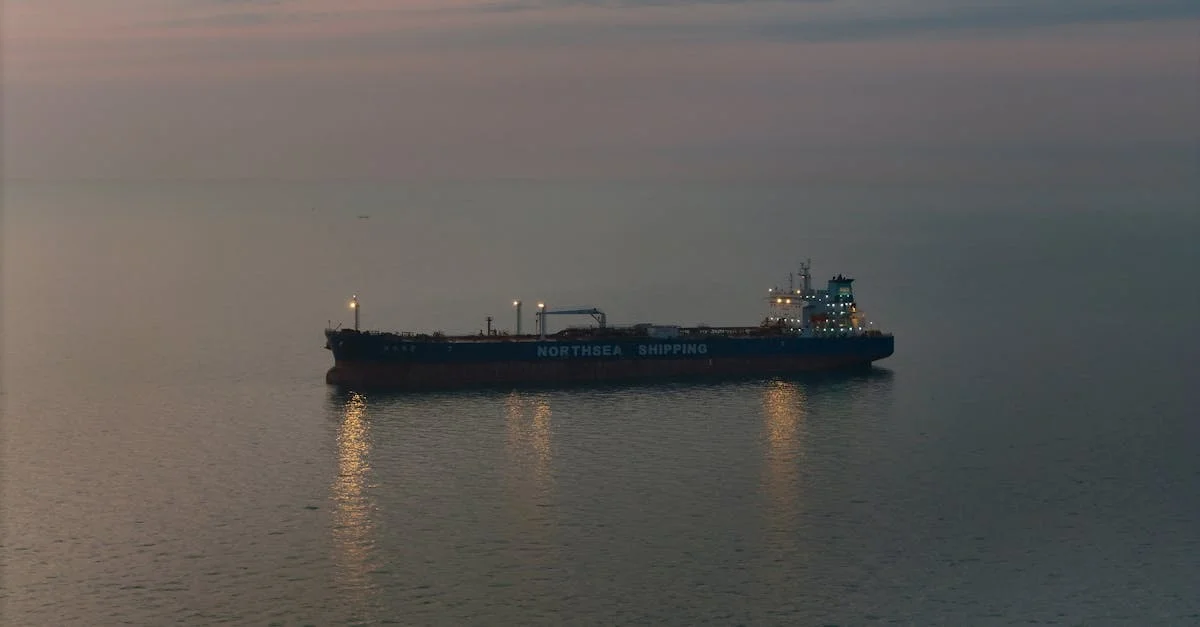
The economic fallout of regional tensions is being felt acutely in the energy and currency markets today. A chilling forecast from the CFO of Baker Hughes suggests that the Strait of Hormuz, a vital artery for global oil and gas, could remain effectively shut or severely restricted until the second half of 2026. This long-term projection has sent shockwaves through global energy desks, with Goldman Sachs warning that oil prices could stabilize at $100 per barrel if flows do not normalize soon. While high oil prices theoretically benefit producers, the logistical blockade and the associated sanctions regime mean that for Iran, the primary impact is one of increased isolation and domestic inflationary pressure.
In the Tehran market, these developments have translated into immediate price movements. The USD sell rate moved from 157,750 to 158,950 Toman, a 0.8% increase in the last 24 hours. Even more pronounced was the movement in the precious metals sector; Gold 18k per gram surged from 17,893,023 to 18,224,987 Toman, representing a 1.9% jump. The Emami coin followed suit, rising 1.7% to reach 178,500,000 Toman. These figures reflect a flight to safety as investors hedge against the possibility of a multi-year disruption in the Persian Gulf's primary shipping lane.
Silicon Valley’s Civil War: Musk vs. Altman in Court
Away from the battlefield, a different kind of war is unfolding in the world of technology. Elon Musk and OpenAI CEO Sam Altman are heading to court in a high-stakes legal battle that could redefine the future of artificial intelligence. The trial centers on the evolution of OpenAI from a non-profit startup, originally funded by Musk to ensure AI benefited humanity, into an $852 billion commercial powerhouse. Musk alleges betrayal and deceit, claiming the company has abandoned its altruistic roots in favor of profit-driven motives. This trial is not just about corporate governance; it is a battle for the soul of the most transformative technology of our era.
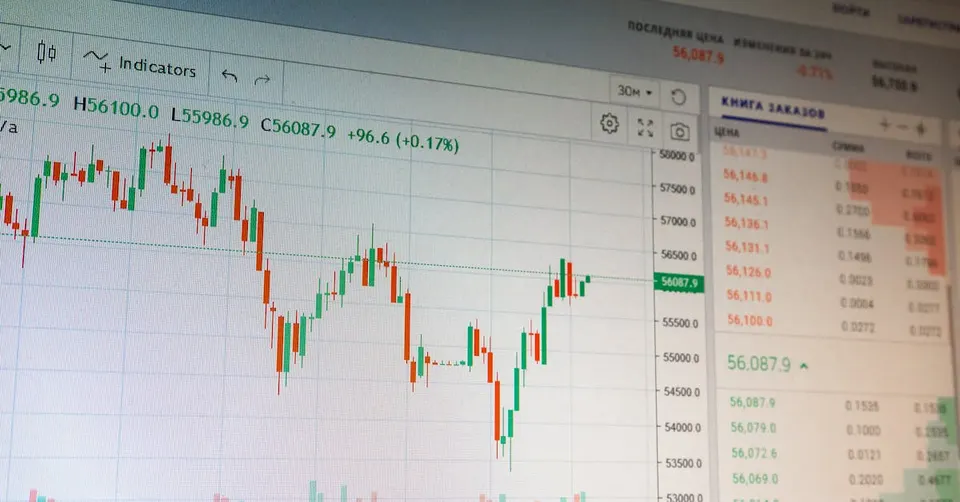
For the global economy, the outcome of this trial will likely dictate the pace and nature of AI regulation. OpenAI’s ChatGPT has become the benchmark for generative AI, and any legal restructuring of the company could disrupt the entire tech ecosystem. Markets are watching closely, as the stability of the tech sector is already under pressure. Bitcoin, for instance, recently hit a wall at $80,000 and reversed to $77,869 as the broader surge in oil prices triggered a selloff in risk assets. The intersection of tech volatility and energy instability is creating a complex environment for digital asset investors.
Security Breaches and Political Violence in Washington
In the United States, the political climate remains volatile following a shooting near the White House Correspondents' Association dinner. The suspect, identified as 31-year-old Cole Tomas Allen, reportedly sent a manifesto mocking the "insane" lack of security just minutes before the attack. While the Secret Service maintains that their protocols succeeded in stopping the gunman before he could reach high-level targets, including Donald Trump, the incident has sparked a national debate over the rising pattern of political violence. This marks the third significant threat against Trump in three years, raising serious questions about the safety of the upcoming political cycle.
This domestic instability in the U.S. adds another layer of complexity to global markets. As the world's primary reserve currency issuer faces internal security crises, the perceived risk of U.S. assets can fluctuate, indirectly affecting global trade and sanctions enforcement. For Iranian policymakers, the internal distractions within the U.S. administration may provide short-term tactical openings, but the broader trend of political unpredictability in Washington often leads to more aggressive and less predictable foreign policy shifts, further complicating the path toward regional stability.
Watch
Israel, Hezbollah trade accusations over Lebanon truce violations • FRANCE 24 English
FRANCE 24 English
Frequently Asked Questions
Why is the Strait of Hormuz predicted to stay closed until 2026?
How did the Tehran market respond to the Lebanon truce violations?
What are the stakes of the Musk vs. Altman trial for AI users?
Why did Bitcoin drop despite the geopolitical tension?
Why the Strait of Hormuz Is a Global Oil choke point
The Strait of Hormuz, a narrow waterway between Iran and Oman, is the world’s most important maritime chokepoint for crude oil. Roughly 20%–25% of daily global oil consumption passes through its 21‑nautical‑mile channel, including almost all of the petroleum shipped from the Persian Gulf’s major producers – Saudi Arabia, Iraq, Kuwait, the United Arab Emirates and Iran. Because the strait is so tight – only two lanes for large tankers and a shallow depth that limits ship size – any disruption, whether a military incident, a mined waterway, or a voluntary closure, can instantly cut off a huge share of the world’s oil supply.
When the strait is threatened, oil traders react quickly. Futures prices on exchanges such as NYMEX and ICE spike as market participants price in the risk of supply shortages. The resulting price shock reverberates through related markets: the US dollar often strengthens against currencies of oil‑importing nations, gold prices rise as investors seek safe‑haven assets, and regional stock indices – especially in Iran and Lebanon, whose economies are tightly linked to oil revenues – experience heightened volatility. Historically, even brief incidents (e.g., the 2019 tanker attacks) caused oil prices to jump $5–$10 per barrel within hours.
The strategic importance of the strait also explains why geopolitical tensions, like a Lebanese cease‑fire violation or a high‑profile trial involving tech leaders, can amplify market reactions. When a closure scenario is forecast for 2026, analysts model the impact using the “supply‑shock multiplier”: a 10% reduction in global supply can lift Brent crude by roughly $8–$12 per barrel, depending on existing inventory levels and OPEC’s response. This, in turn, pushes up the USD/IRR exchange rate, inflates the price of gold in Tehran, and fuels speculation in regional bond markets.
Understanding the mechanics of the Strait of Hormuz helps investors and policymakers gauge how a localized security event can cascade into worldwide economic consequences. It also underscores why countries outside the region monitor the strait’s status as closely as they do central bank policy decisions.
For a deeper dive, see the references below which explain the geography, historical incidents, and economic modeling of oil‑supply shocks.