UK Political Storm Over Iran War Supply Chains as Oil Surges Past $100
بحران سیاسی در بریتانیا بر سر زنجیره تأمین جنگ ایران؛ نفت از مرز ۱۰۰ دلار گذشت
Kemi Badenoch pushes for a parliamentary inquiry into the UK's handling of Iran-related supply disruptions as oil prices reclaim the $100 mark. Meanwhile, Tehran's markets react to the cancellation of peace talks with a 0.8% rise in the USD rate.
At time of publishing
USD
158,950
Toman
Gold 18K
18.19M
Toman / gram
Bitcoin
$77,686
US Dollar
Tether
15,795.8
Toman
The Westminster Inquiry: Starmer Under Fire Over Iran War Supply Chains
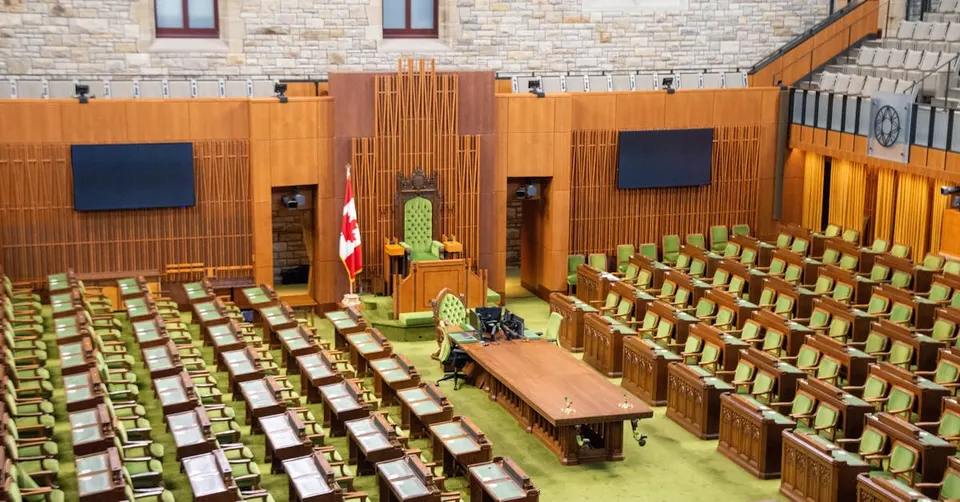
In a dramatic turn at Westminster, Conservative leader Kemi Badenoch has called for a formal inquiry by the Privileges Committee into Prime Minister Keir Starmer’s administration. The crux of the dispute lies in allegations that the Labour government has not been transparent about the true extent of supply chain disruptions caused by the ongoing conflict involving Iran. Badenoch argued that Parliament is the "right place to hold Starmer to account," urging Labour MPs to vote with their consciences rather than following party lines. This political pressure comes as Downing Street attempts to project an image of stability, with spokespeople claiming the UK is in a "good position" to handle global supply shocks due to extensive forward-planning and live monitoring of stock levels.
For the global observer, this domestic UK squabble is a proxy for the broader anxiety regarding the longevity of the Middle Eastern crisis. If a major G7 economy is "ramping up planning" for long-term impacts, it signals to the markets that a swift diplomatic resolution is unlikely. This sentiment has direct consequences for the Iranian economy, as it reinforces the narrative of prolonged sanctions and isolation, which in turn fuels the speculative demand for hard currency in Tehran’s open market. The political instability in London only adds to the global sense of a "war footing" that is now permeating through Western capitals.
Energy Giants Pivot as Oil Reclaims $100
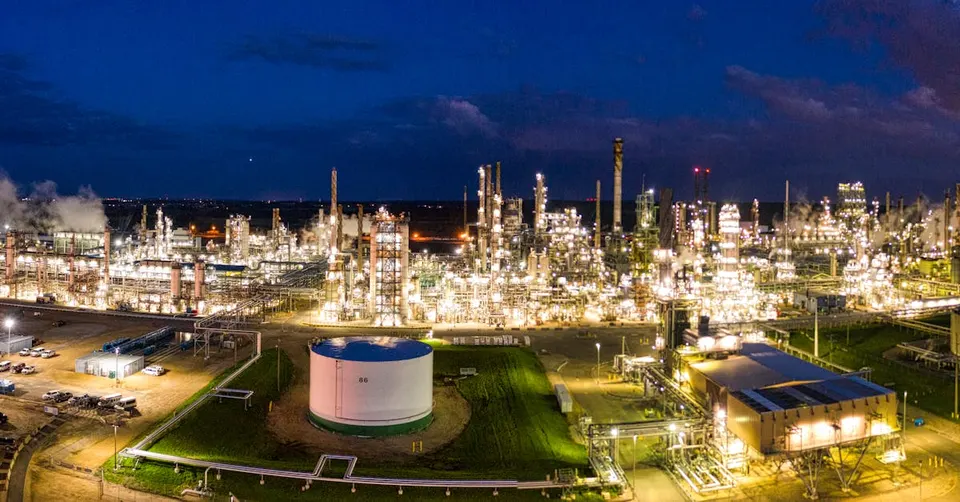
The energy sector is witnessing a massive structural realignment as the "Iran War" enters a more entrenched phase. Shell has announced a staggering $14 billion acquisition of a Canadian shale company, marking its largest deal in a decade. This move is widely interpreted as a strategic retreat to safer, North American assets as Middle Eastern supply remains volatile. Meanwhile, BP has seen its shares surge by 20% since the conflict began, outperforming other supermajors like ExxonMobil. The market's preference for companies with diverse portfolios is clear, as the loss of traditional Middle Eastern oil and gas routes forces a total re-evaluation of energy security and corporate valuation.
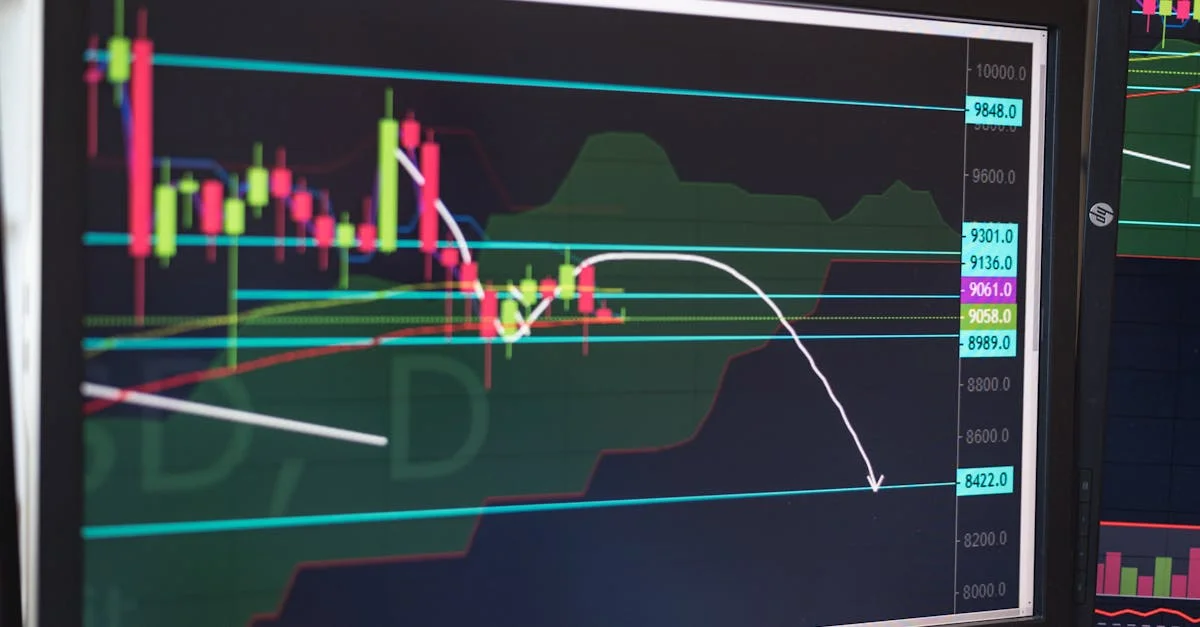
In the local markets, the impact of these global shifts is immediate and sharp. Oil futures climbed back above $100 per barrel following President Trump’s decision to cancel peace envoy trips to Islamabad. In Tehran, the USD sell rate moved from 157,750 to 158,950 Toman, a 0.8% increase in just 24 hours. The precious metals market felt an even stronger jolt, with 18k gold rising 1.7% to reach 18,189,897 Toman per gram, and the Emami coin jumping 2.3% to 179,500,000 Toman. Investors are clearly hedging against the failure of diplomacy, moving liquidity out of the national currency and into tangible assets as the prospect of a de-escalation deal fades.
Regional Realignments: From Damascus Trials to Moscow Diplomacy
While the markets focus on prices, the geopolitical map is shifting underfoot. In a historic first, a public trial has opened in Damascus against former President Bashar al-Assad and his inner circle, including his brother Maher. Charged in absentia for crimes ranging from extortion to drug trafficking, the trial signifies a seismic shift in Syrian domestic politics and a potential distancing from old power structures. Simultaneously, Iranian Foreign Minister Abbas Araghchi is in Moscow for high-level talks with Vladimir Putin. Although Russia remains a key ally, the Kremlin is reportedly wary of becoming "too entangled" in the regional firestorm, seeking to maintain its influence without committing to a full-scale military involvement that could drain resources from other fronts.
Despite the external pressures and the "war atmosphere," domestic Iranian logistics are attempting to maintain a facade of normalcy. Iran Air has confirmed that Hajj flights will proceed as planned from Tehran, Mashhad, and Zahedan, with the latter two airports operating 24-hour services for pilgrims. This operational continuity is a calculated move by the state to demonstrate resilience and maintain social stability. However, with Araghchi’s diplomatic mission in Russia and the ongoing trials in Syria, the regional landscape remains incredibly fluid. For the average Iranian citizen, the combination of soaring gold prices and high-stakes diplomacy creates a climate of cautious survivalism, where every headline from Moscow or Damascus is weighed against the daily price of the Dollar.
Frequently Asked Questions
Why is the UK Parliament launching an inquiry into the Iran war's impact?
Why did Shell make a $14 billion acquisition in Canada now?
How did the Tehran market react to the cancellation of US-Iran peace talks?
What is the significance of the Hajj flights announcement during the conflict?
How Economic Sanctions Shape Global Oil Supply Chains
Economic sanctions are coercive tools used by governments to influence the behavior of other states, firms, or individuals. In the context of the 2026 Iran‑Russia conflict, the UK, the United States, and the European Union have layered primary sanctions—direct bans on Iranian oil exports and Russian energy assets—with secondary sanctions that penalise third‑party companies, such as Shell’s Canadian shale acquisition, if they facilitate prohibited trade. These measures aim to cut off revenue streams that fund military operations, but they also ripple through the global oil market, tightening supply and pushing benchmark prices above $100 a barrel.
The mechanics of sanctions affect supply chains at several points. First, they restrict the ability of sanctioned producers to sell on international exchanges, forcing them to turn to illicit networks or barter deals, often at discounted rates. Second, secondary sanctions create compliance risk for downstream firms, logistics providers, and financial institutions, prompting many to halt transactions even when the goods are legally sourced. This “over‑compliance” can reduce the volume of oil that reaches refineries in Europe and Asia, amplifying price spikes and prompting governments like the UK to launch inquiries—such as the Kemi Badenoch‑Starmer probe—into the resilience of national energy security.
The macro‑economic fallout of a sustained $100‑plus oil price is profound. Higher energy costs feed into inflation, erode real wages, and strain public finances, especially in import‑dependent economies. At the same time, oil‑rich nations may experience windfall revenues that can be redirected toward further geopolitical ambitions, creating a feedback loop that sustains conflict. Understanding the interplay between sanctions policy and oil market dynamics helps explain why political storms in Westminster can have immediate repercussions on Tehran’s gold price, the USD/IRR exchange rate, and even the legal proceedings against leaders like Bashar al‑Assad.
For policymakers, the key lesson is that sanctions are not a binary lever but a complex system that reshapes global trade networks. Effective design requires clear objectives, targeted measures, and coordination with allies to avoid unintended supply‑chain disruptions that can harm domestic consumers. As the 2026 crisis illustrates, the collateral economic effects of sanctions can be as consequential as the intended political outcomes.