
King Charles’ US Visit Triggers UK/EU Pushback, While AI Lawsuit and Market Shifts Ripple Through Iran
سفر شاه چارلز به ایالات متحده فشارهای بریتانیایی/اتحادیه اروپا را برانگیخت؛ دعوی هوش مصنوعی و تحولات بازار بر ایران تاثیر میگذارد
Britain’s monarch arrives in Washington amid a widening rift between the US, UK and EU, a development that could reshape sanctions and trade flows for Iran. At the same time, a $130 billion lawsuit between Elon Musk and Sam Altman, weakening defense stocks, a new Microsoft‑OpenAI partnership, and a UK parliamentary inquiry are reshaping investor sentiment and crypto demand in Tehran.
At time of publishing
USD
158,950
Toman
Gold 18K
18.13M
Toman / gram
Bitcoin
$76,629
US Dollar
Tether
15,790.6
Toman
UK/EU Push Back on US Policy as King Charles Visits Washington
The United Kingdom’s monarch arrived in the United States today, a trip originally scheduled before the sudden escalation of the US‑Iran war. France 24 reports that British and European officials are using the visit to voice strong criticism of Washington’s hard‑line stance on Iran, trade, NATO expansion and even Greenland. The pushback is not merely diplomatic theatre; it reflects a growing fracture in the “special relationship” that could translate into coordinated sanctions relief or, conversely, a tighter alignment of US pressure with European partners.
For Iranian readers, the stakes are concrete. A softened transatlantic divide may open a narrow diplomatic channel for Tehran to negotiate limited trade concessions, especially in the agricultural and pharmaceutical sectors that have been strangled by sanctions. Conversely, if the US doubles down, Iranian exporters could face even harsher secondary sanctions, pushing the Toman even higher as foreign investors retreat. The market already shows the Toman’s fragility – the official USD/IRR rate edged up from 157,750 to 158,950, a 0.8 % rise in the last 24 hours, underscoring how quickly sentiment can shift.
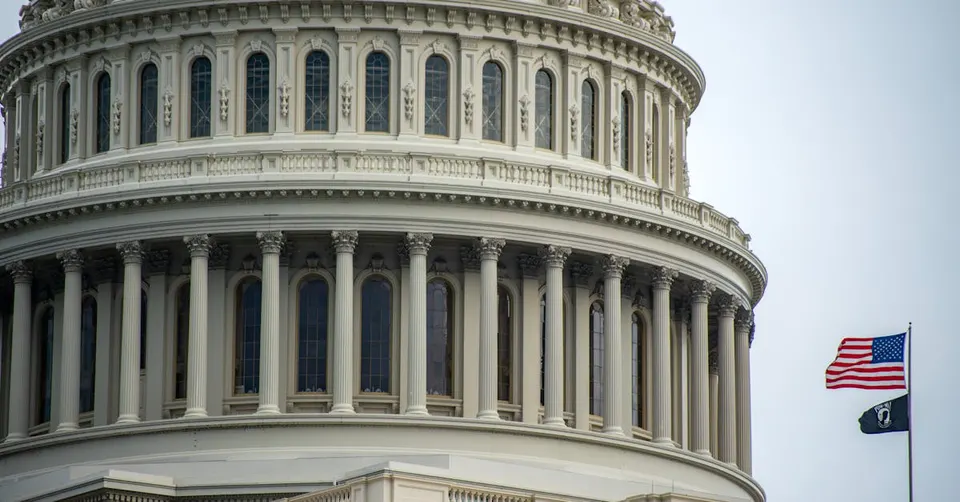
Musk vs Altman: $130 bn AI Lawsuit Sparks Industry Turmoil
In a dramatic courtroom showdown, Elon Musk has filed a lawsuit demanding more than $130 billion in damages from OpenAI, accusing the company and its CEO Sam Altman of breaching a partnership agreement and misappropriating technology. The BBC notes that the case could reshape the governance of artificial‑intelligence firms, potentially forcing stricter licensing and profit‑sharing rules. The dispute also highlights the personal power struggle between two of the world’s most influential tech magnates.
The ripple effects reach Tehran’s burgeoning fintech scene. Investors watching the lawsuit fear that a prolonged legal battle could stall AI‑driven financial services, from automated trading bots to credit‑scoring algorithms. A slowdown in AI deployment may dampen the appetite for high‑risk crypto assets, while simultaneously boosting demand for more traditional stores of value like gold – which rose 1.3 % to 18,125,952 Toman per gram overnight. For Iranian startups, the uncertainty may push them to diversify away from US‑centric AI platforms toward local or Chinese alternatives.
Defense Stocks Falter Amid Iran War; Currency and Gold React
Yahoo Finance highlights that defense sector equities have underperformed since the Iran conflict erupted, a trend that now faces a “new problem” – rising commodity prices and supply‑chain bottlenecks that are eroding profit margins. The report points to a surge in oil‑related logistics costs and a slowdown in government defense spending as the US reallocates resources to the Middle East.
The fallout is palpable in Tehran’s markets. As investors flee volatile equities, they are turning to safe‑haven assets: the Toman‑denominated gold price climbed to 18,125,952 Toman per gram, while the Emami gold‑backed coin surged 3.4 % to 181,500,000 Toman. Such movements suggest that Iranian households are seeking to preserve wealth amid currency depreciation – the USD’s modest rise is already nudging the Toman higher, prompting a scramble for tangible stores of value.

Microsoft‑OpenAI Deal Redefined: What It Means for AI Investors
MarketWatch reports that Microsoft and OpenAI have renegotiated their partnership, ending an exclusive revenue‑sharing arrangement while granting both firms greater flexibility to collaborate with other tech giants. The new agreement means Microsoft will no longer funnel all OpenAI earnings through its cloud platform, opening the door for rival cloud providers to integrate ChatGPT‑style services.
For Iranian investors, the shift could broaden access to advanced AI tools without being locked into a single ecosystem. This diversification may stimulate local AI development, as startups can now license models from multiple sources. However, the market’s reaction has been muted; the USD’s slight uptick and gold’s steady climb suggest that investors remain cautious, watching for any regulatory spill‑over that could affect cross‑border AI licensing.
UK Parliamentary Inquiry Stirs Crypto Risk Appetite
The Guardian notes that the UK House of Commons is set to vote on an inquiry into former Prime Minister Keir Starmer’s statements about supply‑chain disruptions linked to the Iran war. While the debate centers on domestic politics, analysts warn that the outcome could influence global risk sentiment, particularly for crypto markets that thrive on regulatory uncertainty.
In Tehran, crypto traders are already reacting. Bitcoin hovered around $76,629, while Ethereum traded at $2,268.76, and USDT is priced at 15,791 Toman. A perception of heightened geopolitical risk often drives Iranian investors toward stablecoins like USDT as a hedge against local inflation, but the parliamentary vote could either dampen or amplify that demand depending on how it shapes broader market confidence.
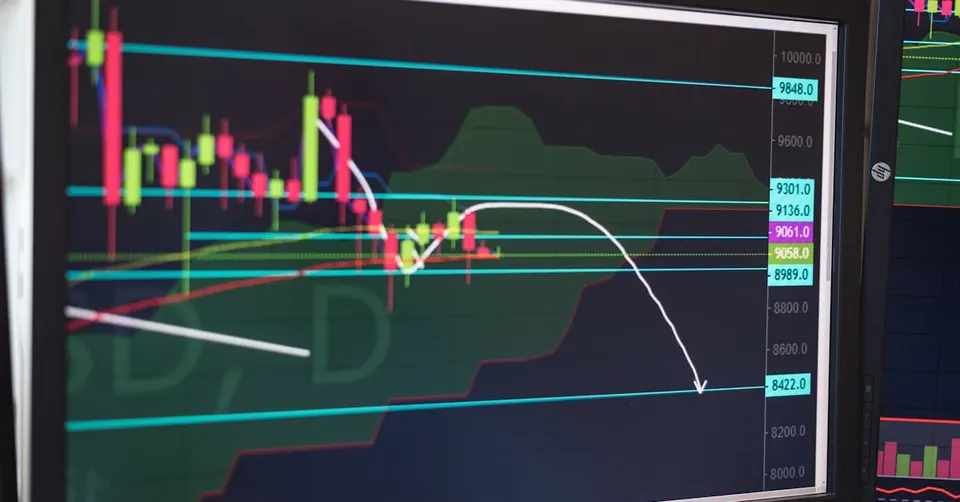
AI Liability: Emerging Legal Frameworks for Artificial Intelligence
The rapid integration of artificial intelligence (AI) into products and services has sparked a new wave of legal challenges, often referred to as AI liability. At its core, AI liability asks: who is responsible when an AI system causes harm? Traditional product liability law, which holds manufacturers and sellers accountable for defective products, is being stretched to accommodate software that can learn, adapt, and sometimes act unpredictably. Courts are now grappling with questions about whether the programmer, the data provider, the platform operator, or the end‑user should bear the burden of damages.
In the United States, the debate intensified after a high‑profile lawsuit filed in 2024 alleging that a major tech firm’s generative‑AI tool produced defamatory content that harmed a plaintiff’s reputation. The case highlighted the lack of clear statutory guidance and prompted lawmakers to consider amendments to existing product liability statutes and the introduction of AI‑specific legislation. Meanwhile, the European Union is moving ahead with the EU AI Act, a comprehensive regulatory framework that classifies AI systems by risk level and imposes strict conformity assessments for high‑risk applications. The Act also mandates transparency obligations, such as informing users when they are interacting with AI, and provides a basis for liability claims.
One practical implication for businesses is the need to implement risk management processes throughout the AI lifecycle. This includes rigorous testing, documentation of training data, and clear user warnings. Companies are also adopting AI insurance policies, which are emerging products designed to cover potential legal costs and damages arising from AI‑related incidents. As the legal landscape evolves, firms that proactively address these risks can not only mitigate liability but also gain a competitive edge by demonstrating responsible AI stewardship.
For consumers, understanding AI liability means recognizing that the legal system is still catching up. While existing product liability principles offer a safety net, the nuances of AI—such as autonomous decision‑making and the opacity of machine‑learning models—mean that not every harm will automatically result in compensation. Staying informed about emerging regulations, like the EU AI Act, and watching high‑profile lawsuits can help individuals advocate for stronger consumer protections.
The convergence of technology, law, and policy in the realm of AI liability is reshaping how societies balance innovation with accountability. As AI continues to permeate sectors from healthcare to finance, the development of clear, enforceable rules will be essential to ensure that the benefits of AI are realized without compromising safety and trust.