Pope Leo Decries 'Injustices' in Iran War as Oil Sprints Past $102 Amid Storage Crisis
انتقاد تند پاپ لئو از «بیعدالتی» در جنگ ایران؛ نفت ۱۰۲ دلاری و بحران ذخیرهسازی در هرمز
A rare alignment between the Vatican and the Church of England has emerged as religious leaders condemn the ongoing conflict in Iran. Meanwhile, global oil prices have breached the $102 mark as Iran's storage facilities reach critical capacity, threatening a massive supply disruption.
At time of publishing
USD
158,950
Toman
Gold 18K
18.11M
Toman / gram
Bitcoin
$76,755
US Dollar
Tether
15,887.3
Toman
The Vatican and Canterbury: A Moral Front Against the Iran Conflict
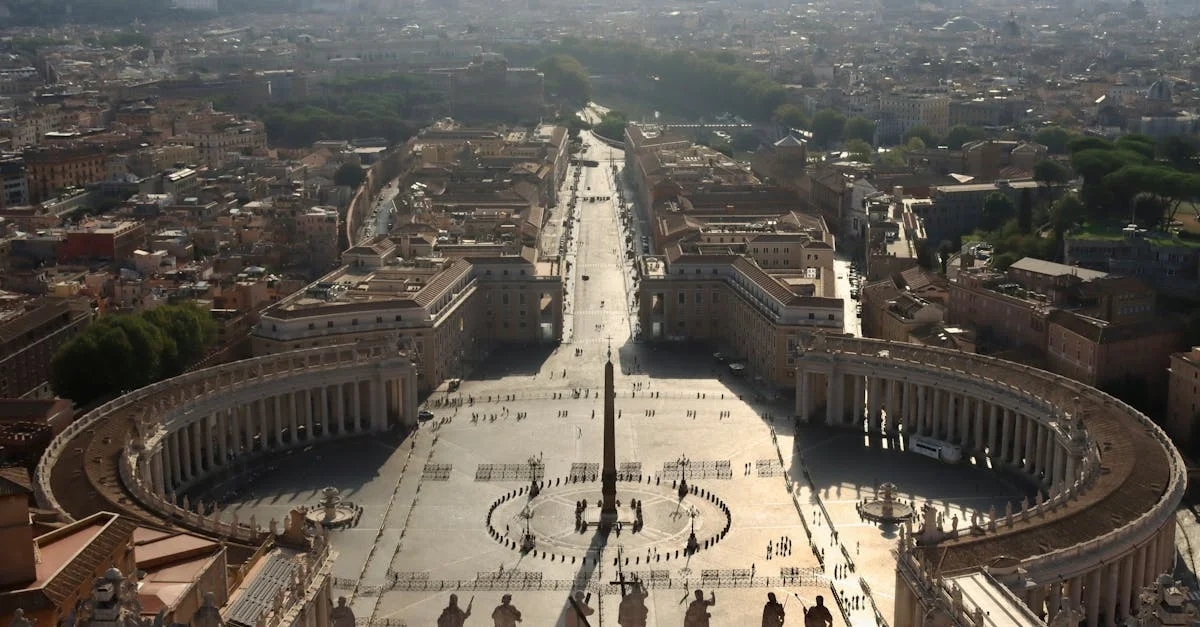
In a significant diplomatic and religious development, the Archbishop of Canterbury, Sarah Mullally, met with Pope Leo at the Vatican this Monday to address the escalating humanitarian crisis stemming from the U.S.-Israeli conflict with Iran. This meeting marks a rare moment of unified vocal opposition from the world’s two largest Christian denominations against the current geopolitical trajectory. Pope Leo, the first American-born pontiff, has notably shifted the Vatican’s tone, using his platform to speak "powerfully about the many injustices" inherent in the ongoing military operations. This moral stance is increasingly being viewed as a challenge to the Biden-Trump transition policies that have intensified the regional blockade.
For Iranian readers and those monitoring the region, this shift in religious diplomacy is more than symbolic. It suggests a growing isolation of the current military strategy in Western public opinion, which could eventually translate into diplomatic pressure for a ceasefire. As the Archbishop and the Pope align their messaging, the narrative of a "just war" is being dismantled on the global stage, providing Tehran with a degree of soft-power leverage it has lacked since the start of the 'Epic Fury' campaign. This moral pressure comes at a time when the Iranian domestic economy is reeling from the dual impact of kinetic warfare and total maritime isolation.

Oil Breaches $102 as Iran Faces Technical Storage Crisis
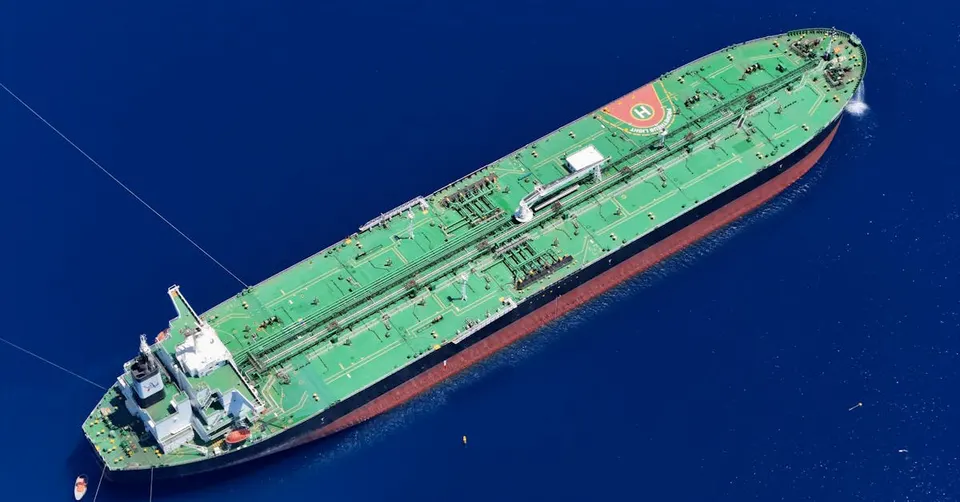
Global energy markets are in a state of high alarm as Brent crude and international futures climbed past $102 a barrel this Monday. The primary driver is no longer just the fear of a blockade in the Strait of Hormuz, but the physical reality of it. Reports indicate that Iran’s crude storage facilities are nearing their absolute maximum capacity. Because Iran cannot export its oil through the blocked shipping lanes, and domestic demand cannot absorb the surplus, the country may be forced to shut down active wells. Shutting down production is a technically hazardous and expensive process that can cause long-term damage to oil reservoirs, leading to fears of a permanent supply shock even after the conflict ends.
In the local markets, the ripple effects are immediate. The Iranian Toman has seen further depreciation, with the USD sell rate moving from 157,750 to 158,950 Toman (+0.8%) in the last 24 hours. Gold has reacted even more sharply to the global uncertainty; 18k gold rose from 17,893,023 to 18,112,562 Toman (+1.2%), while the Emami coin surged by a staggering 3.4% to reach 181,500,000 Toman. Investors are fleeing to hard assets as the UK government warns that the "price shock" from this war could persist for at least eight months after the guns fall silent, driven by persistent logistics and energy costs.
Washington in Turmoil: Melania Trump Demands Action After Shooting
The domestic political landscape in the United States remains fractured following the recent shooting at the White House Correspondents' Dinner. First Lady Melania Trump has publicly called on ABC News to "take a stand" against comedian Jimmy Kimmel, following a monologue where he referred to her as an "expectant widow." The timing of the joke, which aired just before the actual assassination attempt on senior officials, has ignited a firestorm of criticism regarding the rhetoric used by media figures. This internal chaos in Washington is contributing to a "risk-off" sentiment in global markets, as traders worry that a distracted or unstable U.S. administration may struggle to manage the complex exit strategy for the Iran conflict.
This political instability is a double-edged sword for the Iranian economy. On one hand, a fractured U.S. leadership might lack the unified will to sustain a prolonged blockade. On the other hand, unpredictability in the White House often leads to sudden escalations or erratic policy shifts that can cause localized market panics. For now, the "disbelief" described by attendees of the gala reflects a broader sense of uncertainty that is keeping the Bitcoin market on edge. BTC is currently trading at $76,755 on thin volume, a technical setup that analysts at 10x Research warn could lead to a sharp correction if another macro shock hits the wires.
The AI 'Situationship': Microsoft and OpenAI Redefine Their Future
In the technology sector, the long-standing exclusive partnership between Microsoft and OpenAI has officially entered a new, less committed phase. Microsoft announced on Monday that it will no longer be the exclusive partner for OpenAI, and a critical clause regarding Artificial General Intelligence (AGI) has been dropped from their agreement. While the two companies are not "breaking up," Microsoft will stop sharing its revenue in exchange for more flexibility to work with other AI models and providers. This shift suggests that the era of monolithic AI alliances is ending, replaced by a more fragmented and competitive landscape where tech giants seek to diversify their bets.

For the broader economy, this decoupling signifies that the high-growth phase of AI investment is maturing. Microsoft is pivoting toward a "primary cloud partner" role rather than a sole benefactor, which may allow for more rapid integration of AI tools across different industries without the legal baggage of the AGI clause. As Nvidia continues to add to its $5 trillion market cap, the shift in the Microsoft-OpenAI dynamic will be a key indicator of whether the AI bull market can sustain its momentum or if we are entering a period of consolidation that will affect global tech indices and, by extension, the risk appetite of institutional investors.
Frequently Asked Questions
Why is Iran facing a storage crisis for its oil?
What does the meeting between Pope Leo and the Archbishop of Canterbury mean for the war?
Why did Microsoft and OpenAI change their agreement?
How long is the energy price shock expected to last?
The Strait of Hormuz: Why This Narrow Waterway Holds Global Oil Prices Hostage
The Strait of Hormuz, a 21‑mile (33 km) wide channel between Oman and Iran, is one of the world’s most critical maritime chokepoints. Roughly 20‑30% of daily global oil shipments—about 25 million barrels—pass through it, along with a significant share of liquefied natural gas (LNG) and petrochemical cargoes. Because the waterway is so narrow, large tankers often have to travel in single file, making traffic highly sensitive to any disruption, whether from geopolitical tension, piracy, or accidents.
When a conflict flares in the Persian Gulf—such as the recent Iran‑Israel war referenced by Pope Leo—the risk of a closure spikes. Even the threat of a temporary shutdown can trigger a sharp rise in oil futures, as traders price in the possibility of supply shortages. In April 2026, the perceived risk of a Hormuz blockage helped push Brent crude above $102 per barrel, despite a concurrent global storage crunch that limited how much oil could be held on‑shore or in floating terminals.
The strategic importance of Hormuz also explains why major powers maintain a naval presence there. The United States, United Kingdom, and other allies routinely conduct freedom‑of‑navigation operations to deter any attempt to mine or seize the strait. Iran, for its part, has occasionally threatened to close the passage in retaliation for sanctions or military actions, leveraging its geographic advantage to extract political concessions.
For economies heavily dependent on oil imports—such as many Asian nations—a Hormuz disruption can translate into higher fuel costs, inflationary pressure, and strained foreign‑exchange reserves. Conversely, oil‑exporting countries like Saudi Arabia and the United Arab Emirates can benefit from higher prices, though they also risk losing market share if buyers turn to alternative sources. Understanding the dynamics of the Strait of Hormuz therefore offers a clear lens on why seemingly distant geopolitical events can cause immediate swings in the price you pay at the pump.
To follow the latest developments, watch for announcements from the International Maritime Organization, naval patrol reports, and real‑time vessel tracking platforms such as MarineTraffic. These sources help analysts gauge whether a perceived threat is turning into an actual disruption, which is the key to anticipating oil market moves.