
UK Considers Rent Freeze Amid Iran War Fallout; Musk's Wealth Soars
انگلیس در پی تبعات جنگ ایران، انجماد اجارهبها را بررسی میکند؛ ثروت ماسک اوج میگیرد
Britain is contemplating a temporary rent freeze to cushion the economic blow of the Iran war, while Elon Musk is set to receive a massive financial windfall. Meanwhile, market watchers are debating investor psychology in the face of earnings reports.
At time of publishing
USD
159,950
Toman
Gold 18K
18.24M
Toman / gram
Bitcoin
$76,716
US Dollar
Tether
15,860
Toman
UK Mulls Rent Freeze to Counter Iran War Economic Strain
In a significant policy consideration, British Chancellor Rachel Reeves is reportedly exploring the possibility of a one-year rent freeze for private sector properties. This exceptional measure, detailed in an exclusive report by The Guardian, is being debated within the government as part of a broader package aimed at alleviating cost-of-living pressures exacerbated by the ongoing conflict in Iran. The proposal, if enacted, would temporarily prevent landlords from increasing rents, a move intended to protect household budgets already strained by inflation and the wider economic repercussions of the war.
This potential policy shift highlights the deep concern within the UK government regarding the war's impact on domestic economic stability and public sentiment. The conflict has already led to significant disruptions in global energy markets and supply chains, contributing to rising inflation. By considering such a drastic measure as a rent freeze, the government signals its intent to directly intervene in critical sectors to mitigate the war's fallout, particularly among vulnerable populations. The implications for landlords, the housing market, and broader economic policy are substantial, suggesting a government willing to take unconventional steps to maintain social and economic equilibrium.

Elon Musk's Wealth Set for Major Boost Amid Shareholder Victory
Elon Musk is on the cusp of a substantial financial gain, as a long-awaited compensation package from 2018 is finally poised to be realized. MarketWatch reports that Musk is set to receive rights to 304 million shares, a decision that significantly boosts his personal wealth after an eight-year wait. This development underscores the complex relationship between Musk's leadership, company performance, and shareholder value, particularly at companies like Tesla where his compensation has been a subject of intense scrutiny and debate.
The realization of this share award comes at a time when investor focus is increasingly shifting towards long-term value creation, as noted by MarketWatch in a separate analysis. While regulatory bodies like the SEC express concerns about short-term thinking, success stories of companies like Tesla and Amazon demonstrate the market's capacity to reward sustained growth and innovation. For Musk, this influx of wealth not only reflects his past contributions but also positions him for future endeavors, potentially influencing his investment strategies and the direction of his various ventures, including those in the rapidly evolving tech and AI sectors.

Investor Psychology: Navigating Earnings and Long-Term Value
The U.S. Securities and Exchange Commission (SEC) has voiced concerns that the market is becoming overly fixated on short-term performance metrics, potentially hindering long-term investment strategies. However, MarketWatch argues that established market successes, such as those seen with Tesla and Amazon during their recent earnings cycles, illustrate that investors are indeed capable of playing the long game. These companies, despite facing scrutiny over quarterly results, continue to demonstrate robust growth and innovation, rewarding patient investors.
This dynamic raises critical questions about how market participants should interpret earnings reports and the broader economic landscape. While headlines often focus on immediate gains or losses, the underlying value and future potential of companies are what ultimately drive sustained market performance. For investors navigating volatile geopolitical situations and economic uncertainties, understanding this distinction is paramount. The ability to discern between temporary market fluctuations and fundamental long-term value is key to making sound investment decisions, especially when considering assets like gold or cryptocurrencies as potential hedges against instability.
EU Grapples with 'China Shock' Driven by EV Imports
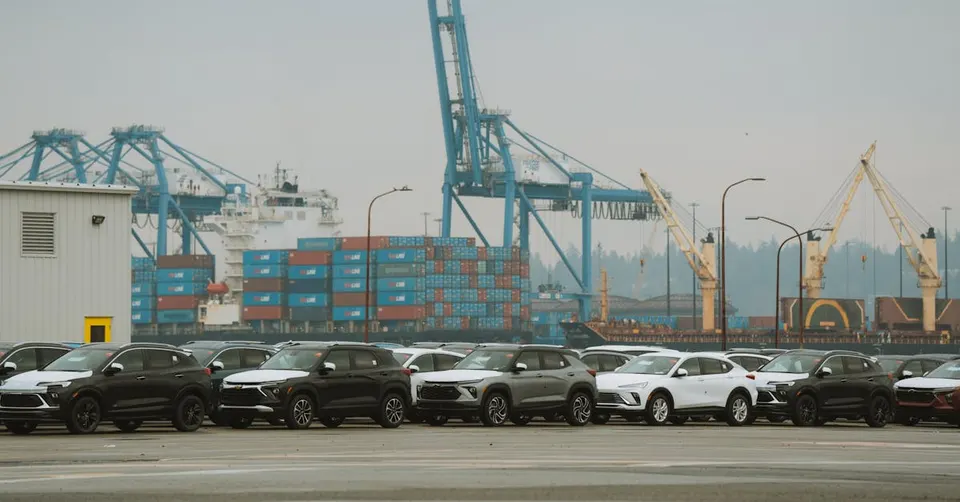
The European Union is confronting a significant economic challenge, characterized as a "China shock," primarily driven by a surge in electric vehicle (EV) imports from China. According to The Guardian, China's trade surplus with the EU reached a record $83 billion in the first quarter of 2026, with Chinese EVs playing a pivotal role in this imbalance. This influx of affordable EVs is placing immense pressure on European automakers, potentially leading to job losses and a broader economic restructuring within the bloc.
This situation presents a complex dilemma for the EU. While promoting green initiatives and EVs is a policy priority, the competitive advantage held by Chinese manufacturers, often supported by state subsidies and a robust industrial policy, poses a direct threat to European industries. The EU faces the difficult task of balancing its climate goals with the need to protect its domestic manufacturing base and ensure fair competition. The outcome of this trade dynamic could have far-reaching implications for global automotive markets, supply chains, and international trade relations, potentially leading to increased protectionist measures or retaliatory tariffs.
Frequently Asked Questions
What is the specific proposal regarding rent freezes in the UK?
Why is Elon Musk's wealth increasing significantly?
What is the 'China shock' affecting the EU?
What is the SEC's concern regarding market behavior?
How might the Iran war impact the UK economy?
Understanding Rent Control: How a Rent Freeze Affects Housing Markets
Rent control, often called a rent ceiling or rent freeze, is a government policy that caps the amount landlords can charge tenants for residential housing. The idea is to protect renters from rapid price hikes, especially in cities where demand far outstrips supply. In practice, a rent freeze can be absolute—prohibiting any increase for a set period—or it can allow limited, indexed rises tied to inflation or wages. The UK’s recent debate over a temporary rent freeze in the wake of the Iran‑related economic shock is a contemporary example of this policy in action.
Economists evaluate rent control through the lens of supply and demand. By setting a price ceiling below the market‑clearing rent, the policy creates a shortage: more households want apartments at the lower price than there are units available. Landlords may respond by reducing maintenance, converting rental units to owner‑occupied housing, or exiting the market altogether. These effects can be seen in cities like Berlin, where a strict rent cap led to a sharp decline in new rental construction and a rise in informal “key money” payments.
However, rent control can also generate short‑term welfare gains for existing tenants who keep their homes affordable, especially during economic turbulence. The key is balancing protection for renters with incentives for landlords to maintain and expand the housing stock. Hybrid approaches—such as allowing modest, inflation‑linked increases while providing tax incentives for new construction—aim to capture the benefits of stability without stifling supply.
The UK’s proposal is notable because it is framed as a temporary measure to cushion households from the fallout of geopolitical events, rather than a permanent structural reform. If the freeze is limited to, say, a 12‑month period, the market may absorb the shock without long‑term distortions. Yet policymakers must monitor vacancy rates, landlord investment, and any emergence of black‑market rents to ensure the short‑term relief does not become a lasting inefficiency.
For anyone watching the housing market, understanding rent control’s trade‑offs helps explain why such proposals generate both strong political support and fierce economic criticism. It also illustrates how macro‑shocks—like an Iran‑related crisis—can prompt governments to intervene in markets that are otherwise left to private forces.