BP Profits Double to $3.2B Amid Iran Conflict as Global Economic Toll Hits $1 Trillion; Toman Breaches 166,000
سود دو برابری غول نفتی BP در پی جنگ ایران؛ خسارت ۱ تریلیون دلاری به اقتصاد جهانی و جهش دلار به ۱۶۶ هزار تومان
Energy giant BP has reported a massive surge in quarterly profits to $3.2 billion, fueled by market volatility from the ongoing conflict in Iran, while new analysis suggests the regional crisis could cost the global economy over $1 trillion. Domestically, the Iranian Toman faced a sharp 4.3% devaluation in 24 hours, with the USD selling rate hitting 166,750.
At time of publishing
USD
166,750
Toman
Gold 18K
18.56M
Toman / gram
Bitcoin
$76,339
US Dollar
Tether
16,337.2
Toman
Energy Giants Reap Windfall as Global Costs Mount
British energy titan BP has sparked international debate after revealing its first-quarter profits more than doubled to $3.2 billion, up from $1.38 billion during the same period last year. This staggering financial performance was driven largely by the company’s oil traders, who capitalized on the extreme price volatility triggered by the escalating conflict in Iran. While shareholders celebrate these returns, climate advocacy groups and international observers have labeled the profits "obscene," noting that they come at a direct cost to global consumers who are struggling with record-high fuel prices. The disparity highlights a growing trend where energy corporations benefit from geopolitical instability while the broader public bears the inflationary burden.
Adding to the gravity of the situation, a new analysis presented at a conference in Colombia suggests that the Middle East oil and gas crunch could impose a staggering $1 trillion in additional costs on the global economy. This redistribution of wealth from energy-importing nations to fossil fuel giants is worsening global inequality, poverty, and food insecurity. For Iranian citizens, this macro-level shift translates to higher imported inflation and a sustained pressure on the national currency, as global markets remain on edge regarding the security of energy supply chains through the region.

Toman Devaluation Accelerates Amid Regional Escalation
The Iranian currency market has entered a period of heightened volatility, with the USD/IRR exchange rate moving from 159,950 to 166,750 (+4.3%) in just 24 hours. This sharp decline in the Toman's value reflects deepening anxiety over military developments in the Levant and the Persian Gulf. In the gold market, the impact was even more pronounced; the Emami gold coin jumped from 181,500,000 to 193,000,000 Toman, marking a significant 6.3% increase. These movements suggest that local investors are rapidly fleeing to hard assets and foreign currencies as a hedge against the risk of a wider regional conflagration.
Geopolitical triggers for this market panic include new evacuation orders issued by the IDF for 16 towns in southern Lebanon, following accusations of Hezbollah ceasefire violations. Simultaneously, Saudi Arabia is hosting an emergency meeting of the Gulf Cooperation Council (GCC) in Jeddah to coordinate a response to recent missile and drone attacks. For the average Iranian, these developments signal that the "war footing" of the economy is unlikely to ease soon, leading to a psychological floor for the Dollar that continues to rise despite central bank interventions.

Global Financial Tightening and Security Risks
Beyond the energy and currency sectors, the global financial landscape is showing signs of increased caution. Barclays, one of the UK’s largest lenders, has announced a significant pullback from risky lending after taking a £228 million hit from the collapse of mortgage firm MFS amid fraud allegations. This move by Barclays is emblematic of a broader trend where major banks are tightening credit conditions as the global economic outlook darkens. As liquidity dries up in Western markets, the ripple effects are felt in emerging economies and regional hubs, further complicating the trade finance environment for Iranian businesses operating under sanctions.
Meanwhile, security concerns are taking center stage in Europe as the trial of a 21-year-old man accused of plotting an ISIS-inspired attack on a Taylor Swift concert in Vienna began today. The defendant pleaded guilty to the plot, which had forced the cancellation of the Eras Tour in Austria two years ago. This trial serves as a stark reminder of the persistent threat of domestic radicalization and the high cost of counter-terrorism efforts. For global markets, such security risks add another layer of "uncertainty premium" to international travel, tourism, and large-scale public events, indirectly affecting the global sentiment that drives investment flows.
Watch
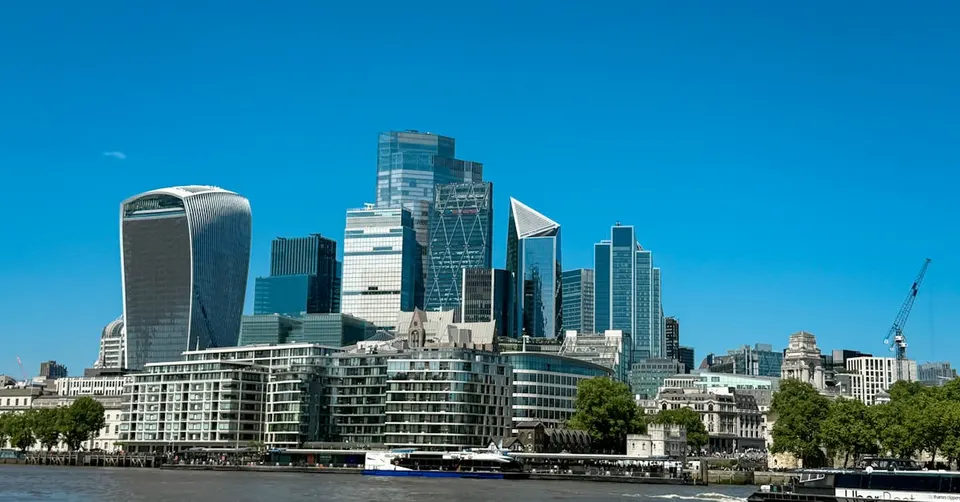
BP profits more than double as Iran war sends oil prices higher | BBC News
BBC News
Frequently Asked Questions
Why did BP's profits double despite the global economic slowdown?
How much has the Iranian Toman devalued in the last 24 hours?
What is the estimated total cost of the Middle East crisis to the world economy?
Why is Barclays cutting back on lending?
Understanding Oil Price Shocks and Their Ripple Effects
An oil price shock occurs when the market price of crude oil changes dramatically over a short period, usually because of geopolitical events, supply disruptions, or sudden shifts in demand. Classic examples include the 1973 Arab oil embargo and the 2022‑2023 price surge triggered by the Russia‑Ukraine war and tensions in the Persian Gulf. Because oil is a globally traded commodity, a shock in its price instantly reverberates through financial markets, trade balances, and the cost structure of virtually every industry.
For oil‑producing companies, a price spike can translate into windfall profits. BP’s 2026 earnings report, for instance, showed net profit doubling to $3.2 billion, largely because the company sold more barrels at higher spot prices while its upstream costs rose more slowly. This pattern is typical: higher crude prices boost revenue faster than operating expenses, especially for firms with a large share of production in high‑margin fields.
The macroeconomic fallout, however, is far more widespread. Higher oil prices raise transportation and production costs, feeding into consumer‑price inflation. The International Monetary Fund estimates that the cumulative global cost of the 2022‑2023 oil price surge exceeded $1 trillion in lost output and higher debt servicing. Emerging markets with weak currencies—such as Iran, where the toman fell past 166,000 per US dollar—feel the pressure acutely, as import bills soar and inflation spirals.
Policymakers respond with a mix of monetary tightening, strategic reserve releases, and fiscal subsidies, but these tools have limits. Central banks may raise interest rates to curb inflation, while governments might subsidize fuel to protect households, risking fiscal deficits. Understanding the mechanics of oil price shocks helps investors, analysts, and citizens anticipate the chain reactions that follow a sudden swing in the world’s most important energy price.