Hormuz Deadlock Deepens: Iran Proposes 'Blockade-for-Passage' Deal as Toman Breaches 166,000
بنبست در هرمز: پیشنهاد «رفع محاصره در برابر بازگشایی» همزمان با عبور دلار از ۱۶۶ هزار تومان
Iran has reportedly offered to reopen the Strait of Hormuz in exchange for an end to the US blockade, while the Toman suffers a sharp 4.1% devaluation in 24 hours. As Brent crude surges past $111, a specialized UK monitoring agency has become the critical '911' for ships navigating the volatile Persian Gulf.
At time of publishing
USD
166,550
Toman
Gold 18K
18.60M
Toman / gram
Bitcoin
$76,516
US Dollar
Tether
16,350.4
Toman
The Silent Sentinel: Britain’s '911' for the Strait of Hormuz
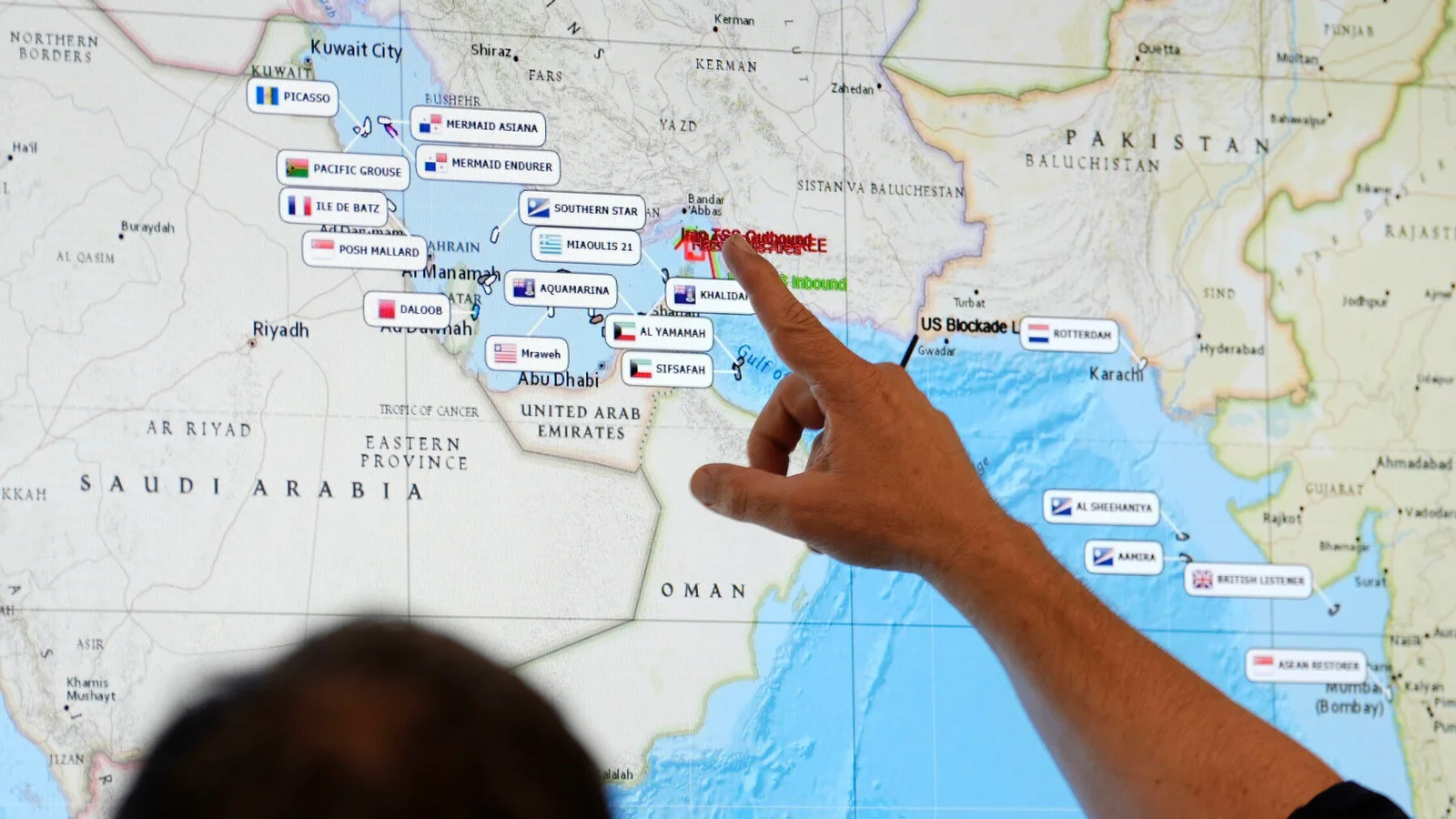
As the maritime standoff in the Middle East enters its third month, a small but vital military unit located in Portsmouth, England, has become the primary lifeline for commercial shipping. The United Kingdom Maritime Trade Operations (UKMTO) agency operates as a 24-hour emergency response center, monitoring the Persian Gulf, the Red Sea, and the Indian Ocean. In an era where the Strait of Hormuz is effectively a geopolitical chessboard, this agency serves as the '911' for vessels facing distress calls, harassment, or navigation hazards. Their role has expanded from simple anti-piracy coordination to a critical intelligence hub that provides real-time security updates to merchant fleets navigating the world's most dangerous chokepoint.
The significance of this Portsmouth-based operation cannot be overstated. While global powers deploy destroyers and carrier strike groups, the UKMTO provides the granular, civilian-focused communication necessary to keep global supply chains from collapsing entirely. By acting as a neutral conduit for information, they allow ship captains to make split-second decisions about route changes or emergency maneuvers. For the Iranian economy, the continued presence and activity of such agencies highlight the international community's preparation for a long-term disruption, signaling that a quick return to 'business as usual' in the Gulf is unlikely.

---
The 'Blockade-for-Passage' Proposal and the Vance Predicament
In a dramatic diplomatic development, reports have surfaced that Iran has offered to end its closure of the Strait of Hormuz on the condition that the United States lifts its current naval blockade and ends the ongoing regional conflict. This proposal, reportedly funneled through Pakistani intermediaries, represents a significant shift in Tehran's strategy as it attempts to leverage global energy security against the tightening economic noose. However, the reception in Washington remains icy. President Donald Trump has signaled skepticism, as the deal would leave fundamental issues—including the Islamic Republic's nuclear program and regional influence—largely unaddressed, potentially viewed as a tactical retreat rather than a strategic peace.
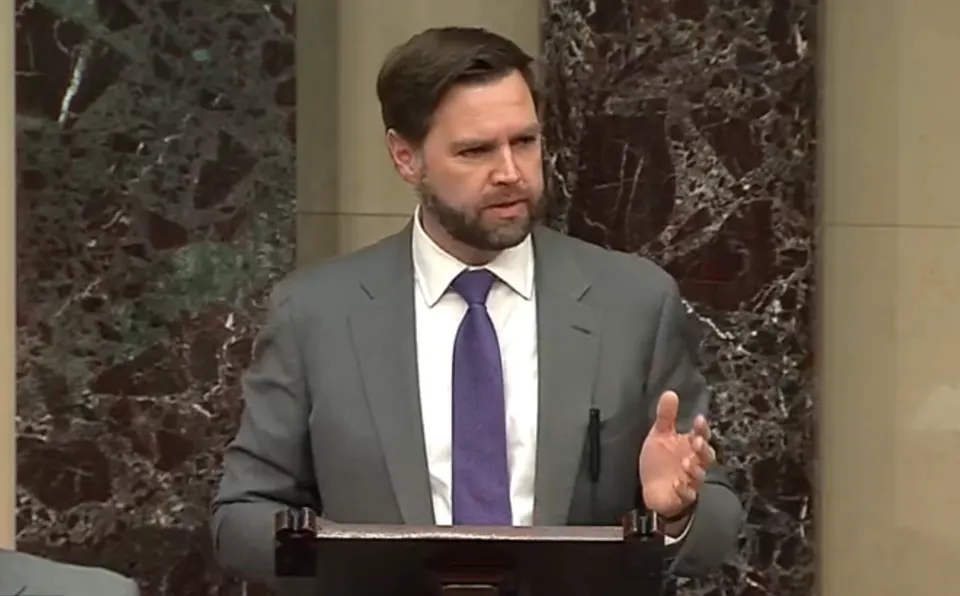
Adding a layer of complexity to these negotiations is the role of Vice President JD Vance. As the administration’s potential point man for Middle East talks, Vance finds himself in a 'thorny predicament.' A staunch Catholic who has previously voiced opposition to foreign entanglements, Vance is now tasked with managing a war he once cautioned against. His challenge lies in balancing his personal 'peacemaker' inclinations with the 'mercurial' policy demands of President Trump. For Iranian observers, this internal US friction is a critical variable; any daylight between the President and his Vice President could lead to unpredictable shifts in sanction enforcement or military posture in the coming weeks.
---
Market Meltdown: Toman Slides as Oil Hits $111
The economic fallout of the Hormuz stalemate has reached a fever pitch in the local markets. Over the last 24 hours, the Iranian Toman has experienced a severe devaluation, with the USD sell rate moving from 159,950 to 166,550, marking a 4.1% increase. This surge in the exchange rate is mirrored by the gold market, where the Emami coin jumped from 181,500,000 to 190,000,000 Toman (+4.7%). These numbers reflect a market that has lost faith in a near-term diplomatic breakthrough. Investors are flocking to hard assets as Brent crude futures climb past $111 per barrel, driven by the realization that 20% of global daily oil supply remains at risk.
Beyond the physical blockade, a digital war is also simmering. At a recent Shanghai Cooperation Organization (SCO) forum, member states voiced collective concern over sustained attacks on Iran’s digital infrastructure, allegedly originating from US and Israeli sources. This 'cyber-blockade' complements the naval one, targeting the internal systems that keep the Iranian economy functioning. For the average Iranian reader, this translates to a dual-threat environment: the rising cost of imported goods due to the Toman's collapse and the potential for systemic failures in banking or utility services. The SCO’s focus on 'digital sovereignty' suggests that Iran is looking East for technological shields as its traditional economic bridges to the West continue to burn.
Watch
Iran offers to reopen Strait of Hormuz if US lifts its blockade and the war ends • FRANCE 24
FRANCE 24 English
Frequently Asked Questions
Why is the UK monitoring agency (UKMTO) important for the Strait of Hormuz?
What are the terms of Iran's latest offer regarding the Strait of Hormuz?
How has the Iranian currency reacted to the current geopolitical stalemate?
What role does JD Vance play in the US-Iran negotiations?
The Strategic Chokepoint: Why the Strait of Hormuz Matters to the Global Economy
The Strait of Hormuz is one of the world’s most critical maritime chokepoints – a narrow waterway only about 21 miles wide at its tightest point that links the Persian Gulf with the open ocean. Roughly 20% of global petroleum consumption, and an even larger share of total oil exports, pass through this corridor each day. Because the channel is so constrained, any disruption—whether from military action, accidents, or a deliberate blockade—can instantly bottleneck the flow of crude and refined products, sending shockwaves through oil prices and, by extension, the broader economy.
Historically, the strait has been a flashpoint for geopolitical tension. The 1980s Iran‑Iraq War saw both sides lay naval mines, and in 2019 a series of attacks on oil tankers raised fears of a larger conflict. More recently, Iran’s 2024‑2025 “blockade‑for‑passage” proposals have reignited concerns that Tehran could leverage the strait to extract political concessions, especially as its currency, the rial, continues to tumble past 166,000 per US dollar. When market participants anticipate a supply pinch, Brent crude futures can swing dramatically—as they did in early 2026, when Brent touched $111 a barrel amid heightened diplomatic uncertainty.
The economic mechanics are straightforward: oil is a globally traded commodity priced in US dollars. A sudden reduction in supply from the Gulf forces traders to bid up the price to secure the limited cargoes that can still move. Higher oil prices raise production costs for everything from airlines to plastics, feeding into inflation worldwide. For oil‑importing nations, the cost shock can widen trade deficits, while exporting countries may see short‑term windfalls but also risk long‑term volatility if their revenues become too dependent on a single route.
Because of its outsized influence, the strait is closely monitored by international maritime agencies. The United Kingdom Maritime Trade Operations (UKMTO) issues daily safety reports, and navies from the United States, United Kingdom, and regional powers maintain a constant presence to deter hostile actions. Understanding the strategic importance of the Strait of Hormuz helps explain why even a modest diplomatic spat can ripple through global markets, affecting everything from the price at the pump to the value of a nation’s currency.
In short, the Strait of Hormuz is not just a narrow body of water; it is a linchpin of the global energy system. Any attempt to block or control it—whether through military means or political bargaining—carries immediate economic consequences that reverberate far beyond the Persian Gulf, shaping oil prices, inflation, and the fiscal health of both producers and consumers worldwide.