Oil Hits $117 on Extended Blockade Fears as Toman Jumps to 178,000; Warsh Nears Fed Chairmanship
جهش قیمت نفت به ۱۱۷ دلار در پی گزارشها از تداوم انسداد؛ دلار به ۱۷۸ هزار تومان رسید
Global oil prices have surged to nearly $117 per barrel following reports of an extended blockade in the Middle East, sending the Iranian Toman to a 24-hour low. Meanwhile, Kevin Warsh is poised to clear a key Senate hurdle to replace Jerome Powell as Federal Reserve Chair, signaling a tectonic shift in US economic policy.
At time of publishing
USD
178,050
Toman
Gold 18K
19.65M
Toman / gram
Bitcoin
$76,648
US Dollar
Tether
17,329.9
Toman
Oil Surges to $117 Amid Extended Blockade Reports
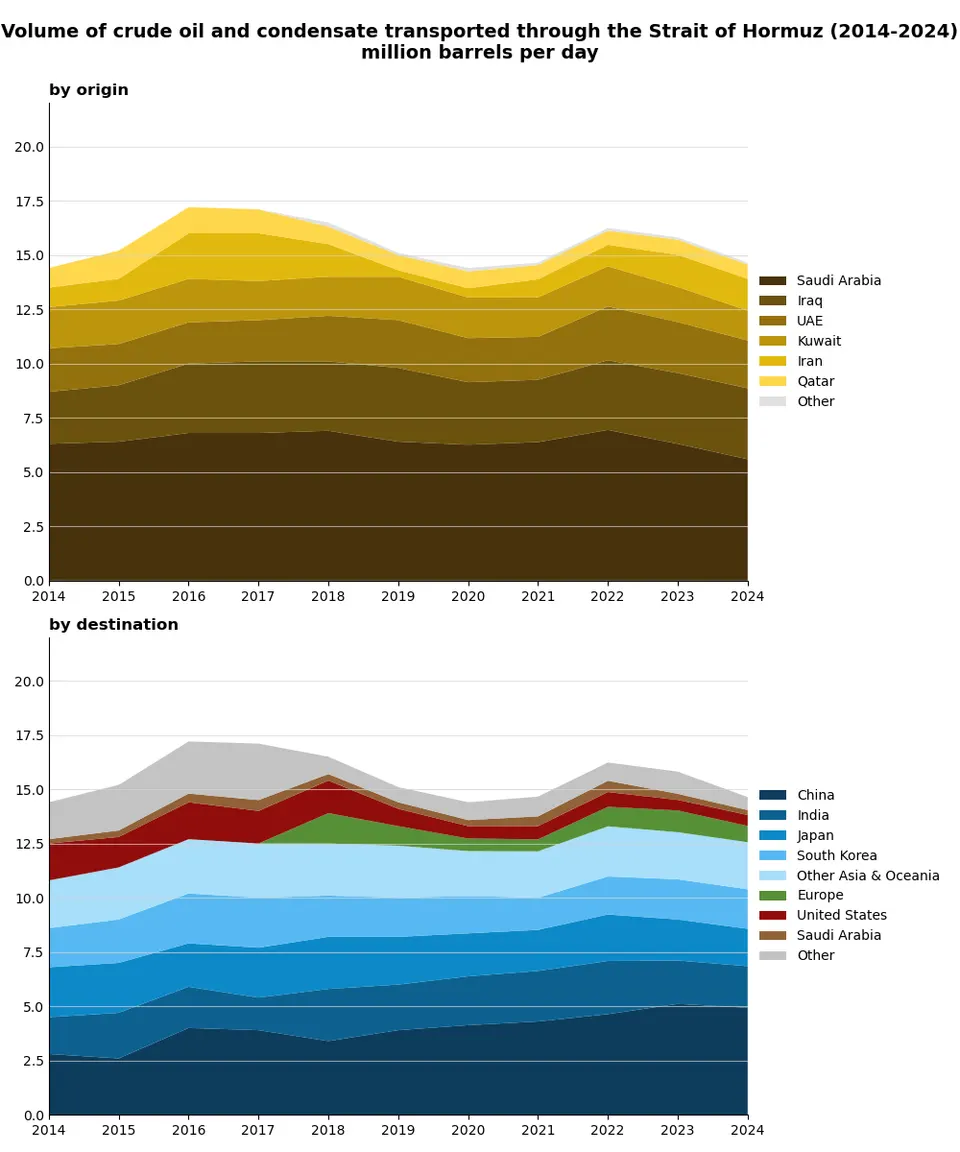
The global energy market is reeling this hour as Brent crude and international benchmarks spiked toward $117 per barrel. The primary catalyst is a series of reports suggesting that the current blockade affecting Iranian maritime routes—previously thought to be a short-term disruption—may now be 'extended' indefinitely. This uncertainty has injected a massive risk premium into energy futures, as traders scramble to price in a prolonged absence of Middle Eastern supply. In the United States, this has already translated to the pump, with national average gas prices climbing to $4.23 per gallon as the reverberations of the conflict reach Western consumers.
For the Iranian domestic market, the impact was immediate and severe. The USD/IRR exchange rate moved from 171,450 to 178,050, representing a sharp 3.8% depreciation of the Toman in just 24 hours. This volatility reflects the market's deep anxiety over trade connectivity and the potential for further sanctions or physical disruptions. When energy routes are threatened, the Toman historically acts as a lightning rod for geopolitical risk, and the current climb toward the 180,000 threshold suggests that local traders are bracing for a period of sustained economic isolation.
The Warsh Era Begins: A Shakeup at the Federal Reserve
In Washington, the financial world is focusing on a different kind of disruption. Kevin Warsh, Donald Trump’s hand-picked nominee to lead the Federal Reserve, is set to clear a critical Senate Banking Committee hurdle today. This move is significant because it marks the beginning of the end for Jerome Powell’s tenure and signals a potential loss of the central bank's traditional independence. Warsh has long been viewed as a hawk who might be more amenable to the White House's economic agenda, and his advancement has kept markets like Bitcoin muted near the $76,648 level as investors weigh the implications of a more politicized Fed.
The transition comes at a time of immense pressure on the US dollar and global inflation. While Warsh is expected to receive unanimous support from committee Republicans, the broader market is questioning whether this leadership change will lead to more aggressive interest rate maneuvers or a shift in how the Fed manages the national debt. For Iranian observers, a stronger or more volatile US dollar under Warsh could further exacerbate the pressure on the Toman, as global liquidity conditions tighten in response to new American fiscal priorities.
Regional Diplomacy and Military Buildup
While markets react to price signals, the physical reality on the ground is becoming increasingly militarized. The United States has significantly expanded its military footprint in the Middle East, deploying a third aircraft carrier strike group as the ceasefire with Iran shows signs of total collapse. This buildup is the largest seen in the region in over two decades, providing Washington with the capability to escalate the conflict should the blockade continue to choke global energy supplies. The presence of such overwhelming force has effectively neutralized any short-term hopes for a diplomatic de-escalation, despite pleas from regional neighbors.
Amidst this tension, some diplomatic channels remain open, though their efficacy is in doubt. Pakistani Prime Minister Shehbaz Sharif recently stated that Islamabad would continue its efforts to restore lasting peace, acting as a potential bridge between Tehran and the West. Furthermore, King Charles’s visit to the US is being framed by some analysts as an attempt to maintain 'future-focused' transatlantic ties that transcend the current administration's friction. However, with gold prices in Iran jumping 3.0% to 19,647,952 Toman per gram, it is clear that the public is placing more faith in hard assets than in the success of these high-level diplomatic maneuvers.

Market Summary: Gold and Crypto Resilience
Despite the chaos in currency markets, gold and crypto are showing distinct patterns of behavior. The Emami coin rose from 195,000,000 to 198,500,000 (+1.8%), trailing slightly behind the raw price of 18k gold which surged 3.0%. This suggests that while the demand for physical hedging is high, the liquidity for large-scale coin purchases may be tightening as families prioritize basic necessities amid the currency's slide. Bitcoin, meanwhile, remains a global outlier, holding steady at $76,648 as it waits for a clearer signal from the upcoming Fed transition and the outcome of the Hormuz tensions.
For the average Iranian investor, the current environment is one of 'forced hedging.' With the Toman losing nearly 4% of its value in a single day, the move into gold or stablecoins like USDT (currently at 17,330 Toman) is no longer a speculative strategy but a survival one. As the $117 oil price continues to dominate headlines, the expectation is that inflationary pressure will only increase, making the current prices for gold and hard currency look like a 'discount' in hindsight if the blockade is indeed extended through the summer.