'El Money' Arson Plot Hits UK as Toman Plummets 3.8% Amid $117 Oil Shock
توطئه آتشسوزی «ال مانی» در لندن و جهش دلار به ۱۷۸ هزار تومان؛ نفت ۱۱۷ دلاری شد
A Russian-speaking operative nicknamed 'El Money' allegedly orchestrated arson attacks against UK PM Keir Starmer, while global oil prices surged to $117. Locally, the Iranian Toman has devalued by 3.8% in 24 hours, pushing the dollar toward the 180,000 threshold as regional tensions escalate.
At time of publishing
USD
178,050
Toman
Gold 18K
19.68M
Toman / gram
Bitcoin
$76,275
US Dollar
Tether
17,436.5
Toman
The 'El Money' Mystery: Geopolitical Sabotage in London
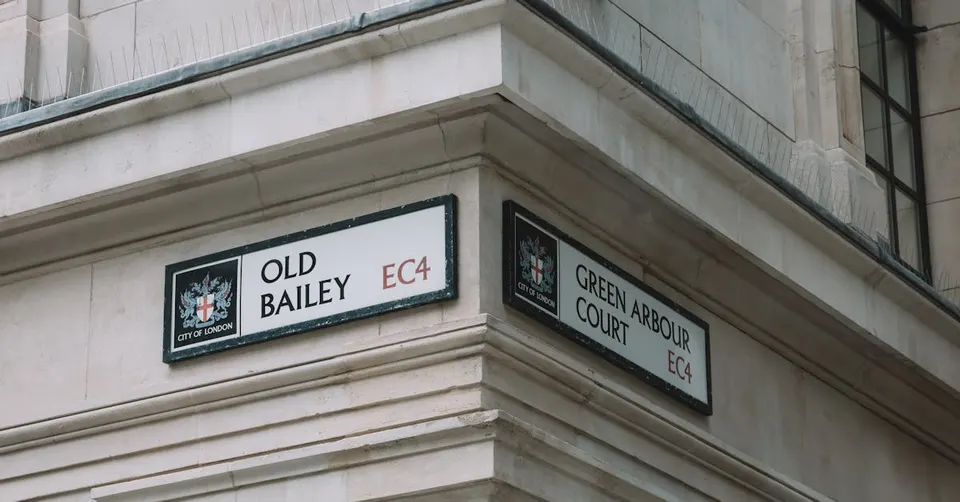
A chilling trial at the Old Bailey has revealed a complex plot involving a Russian-speaking mastermind known only as "El Money." According to prosecutors, this figure offered substantial sums to three men—Roman Lavrynovych, Petro Pochynok, and Stanislav Carpiuc—to carry out arson attacks on properties and vehicles linked to UK Prime Minister Keir Starmer in North London. Duncan Atkinson KC, prosecuting, detailed how these individuals were allegedly recruited to project a sense of insecurity and chaos within the heart of the British government. The defendants, hailing from Ukraine and Romania, deny the charges, but the case highlights a dangerous new frontier in hybrid warfare where local proxies are used to strike political targets.
This development comes at a time of extreme friction between the West and Russia, with the pseudonym "El Money" suggesting a professional operation designed to buy disruption. For international observers, this isn't just a criminal case; it represents a shift in how state-linked or independent actors are leveraging the gig economy of crime to achieve geopolitical ends. The trial is expected to last several weeks, and its outcome could further strain diplomatic relations between London and Moscow, especially as investigators look deeper into the digital footprints of the mysterious handler who directed the attacks from afar.
Oil Hits $117 as Toman Devaluation Accelerates
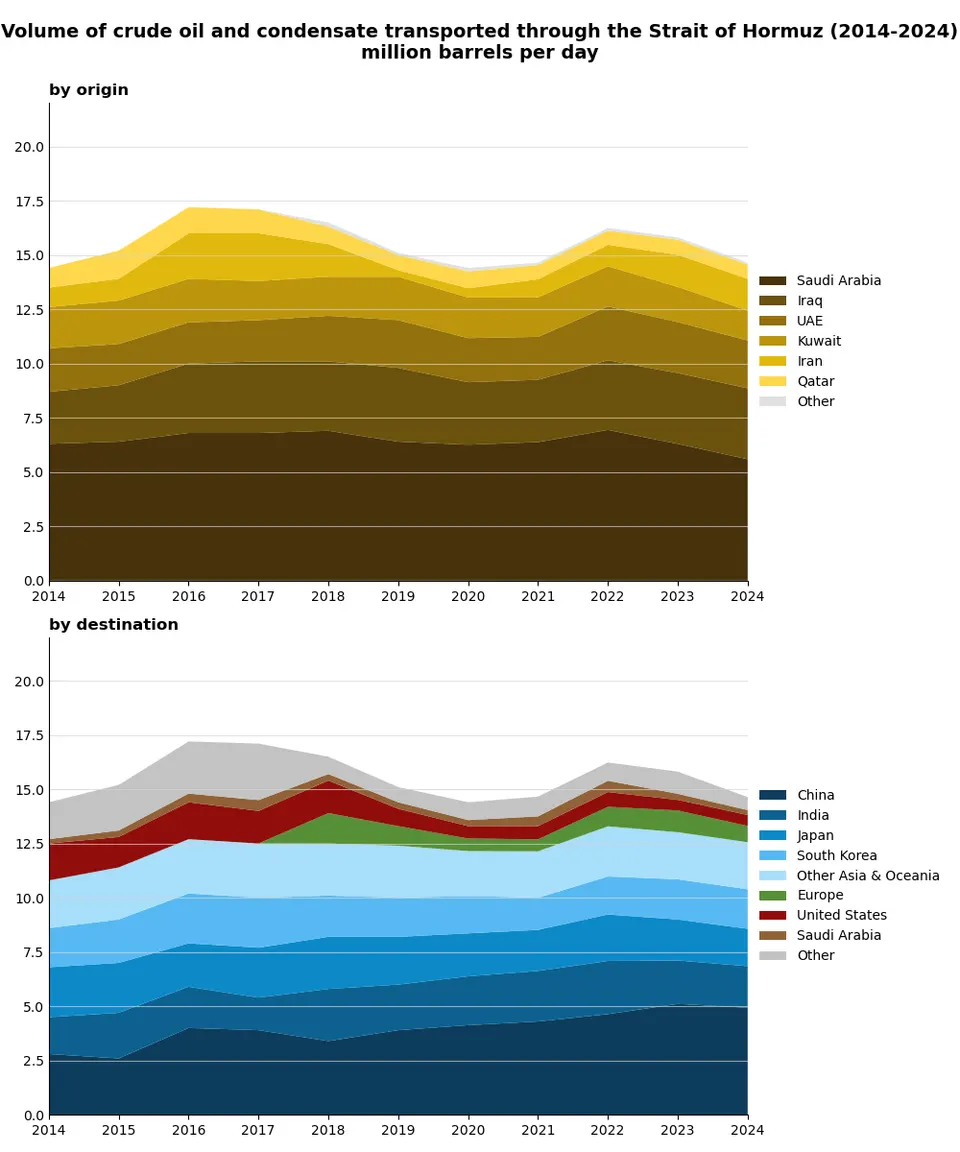
The global energy market is in a state of high alert as crude oil prices jumped to $117 per barrel following reports of an "extended" blockade in the Middle East. This supply shock is rippling through the Iranian economy with devastating speed. In the last 24 hours, the USD/IRR exchange rate moved from 171,450 to 178,050, representing a sharp 3.8% devaluation of the Toman. The psychological barrier of 180,000 is now within striking distance, causing panic in local markets and driving a massive flight to gold. Gold 18k/gram followed suit, rising from 19,078,212 to 19,683,503 (+3.2%), while the Emami coin rose 1.8% to reach 198,500,000 Toman.
While higher oil prices typically benefit an oil-exporting nation, the current geopolitical context—including the threat of total shipping blockades in the Strait of Hormuz—means the revenue gains are offset by the rising cost of imports and the collapse of currency confidence. Iran’s Deputy Foreign Minister Kazem Gharibabadi recently highlighted the humanitarian toll of the ongoing conflict, stating that over 130,000 civilian targets have been struck by US and Israeli forces. This rhetoric, combined with the physical disruption of oil lanes, has created a perfect storm for the Toman, which is struggling to find a floor as the Fed prepares for a leadership transition under Kevin Warsh.
Visa’s $7 Billion Stablecoin Surge and OpenAI’s Growth Stall
In the world of digital finance, Visa has significantly expanded its stablecoin settlement network, which has now reached a $7 billion annualized run rate. By adding support for blockchains like Coinbase's Base, Polygon, and Stripe's Tempo, Visa is institutionalizing the use of digital dollars for global money movement. This is a critical development for Iranian users who rely on USDT and other stablecoins for cross-border trade and wealth preservation. As Visa bridges the gap between traditional banking and decentralized ledgers, the utility of stablecoins is moving beyond speculation and into the core of the global payments infrastructure.
Conversely, the AI sector is showing its first signs of fatigue. New data from Sensor Tower reveals that ChatGPT downloads and usage are slowing significantly, with uninstalls increasing by 132% year-over-year in April. This cooling trend comes at a sensitive time for OpenAI as it prepares for a potential IPO. Investors are beginning to question whether the initial hype has reached a plateau or if rival chatbots are successfully cannibalizing OpenAI's market share. This divergence—where crypto infrastructure is maturing while AI growth is stumbling—suggests a rebalancing of institutional capital in the coming months.