Toman Surges on Oil Spike Amid US Voting Rights Ruling; Russia's Parade Lacks Tanks
تومان با جهش نفت در بحبوحه حکم حقوق رای آمریکا و رژه بدون تانک روسیه افزایش یافت
The Iranian Toman saw a significant surge today, driven by a sharp rise in oil prices linked to ongoing regional tensions. Meanwhile, the US Supreme Court issued a landmark ruling impacting voting rights, while Russia's Victory Day parade will notably feature less heavy military hardware.
At time of publishing
USD
178,050
Toman
Gold 18K
19.74M
Toman / gram
Bitcoin
$75,832
US Dollar
Tether
17,480.8
Toman
Supreme Court Ruling Deals Blow to Voting Rights
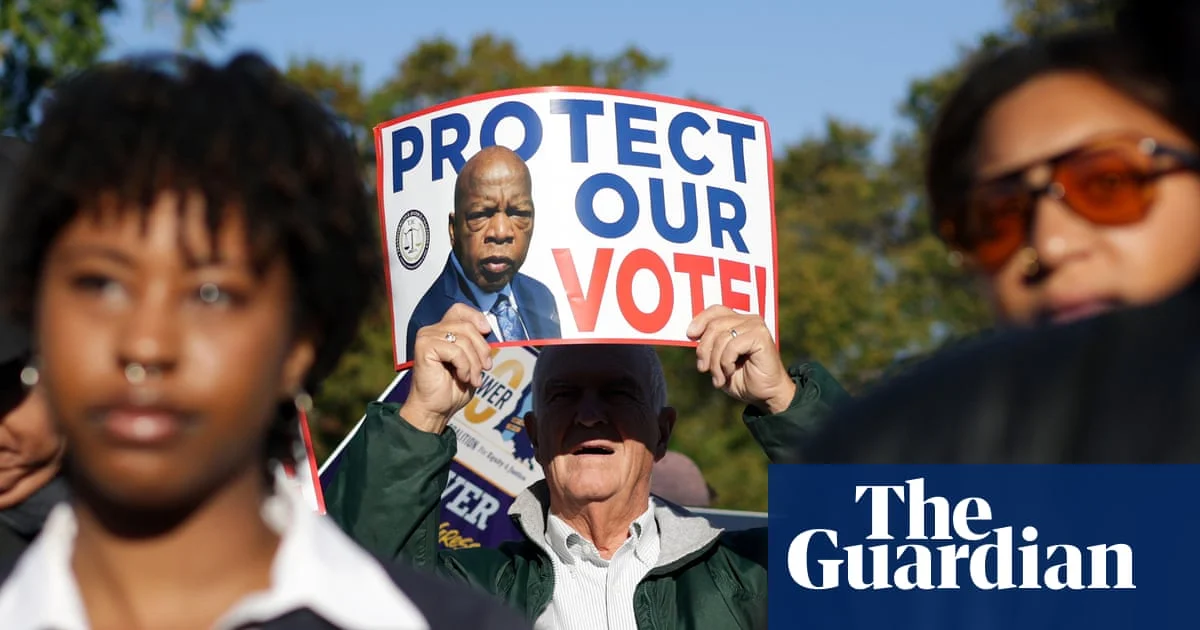
In a significant development, the US Supreme Court has delivered a 6-3 ruling that mandates Louisiana to redraw its congressional map. This decision effectively dismantles a crucial section of the Voting Rights Act of 1965, specifically Section 2, which has long served as a cornerstone for preventing racial discrimination in voting processes. The ruling, described by the NAACP as 'a devastating blow' and 'a major setback for our nation,' largely nullifies the act's power to ensure fair representation for minority voters in redistricting. This marks a substantial curtailment of civil rights protections that have been in place for decades, sparking widespread concern among civil rights organizations and potentially reshaping the political landscape in the United States.
This ruling has far-reaching implications beyond Louisiana, as Section 2 of the Voting Rights Act has been a critical tool nationwide for challenging discriminatory voting practices. The decision is expected to embolden efforts to restrict voting access in various states, potentially disenfranchising significant portions of the electorate. The impact on future elections, the balance of power in Congress, and the broader fight for racial equality in the US is yet to be fully understood, but the immediate reaction signals a period of intense legal and political contention.
---
Oil Prices Soar Amid Extended Iran Blockade Fears
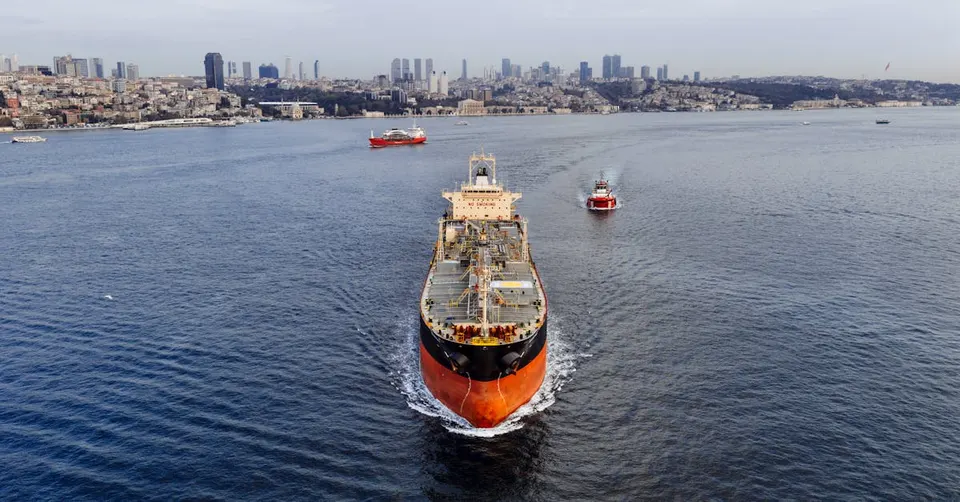
Global oil prices experienced a sharp ascent today, with crude reaching $119 a barrel following reports of an 'extended' blockade impacting Iran's oil exports. This surge in oil prices is directly linked to the ongoing geopolitical tensions in the Middle East, which continue to create uncertainty in the global energy markets. Pakistan's Prime Minister Shehbaz Sharif highlighted the severe economic strain, stating that his country's oil import costs have ballooned by 167% since the conflict began, reaching $800 million weekly. This dramatic increase in energy expenses poses a significant challenge to economies worldwide, exacerbating inflationary pressures and potentially hindering economic growth.
The market reaction underscores the critical role of Iranian oil supply in the global economy. Any disruption, whether actual or perceived, has an immediate and significant impact on price stability. The 'extended' nature of the blockade, as suggested by market reports, implies a prolonged period of supply constraint, which could lead to sustained high energy costs. This situation is particularly concerning for import-dependent nations like Pakistan, forcing them to allocate a much larger portion of their national budgets to energy procurement, thereby impacting other vital sectors and potentially leading to domestic economic instability.
---
Russia's Victory Day Parade to Forego Heavy Military Armor
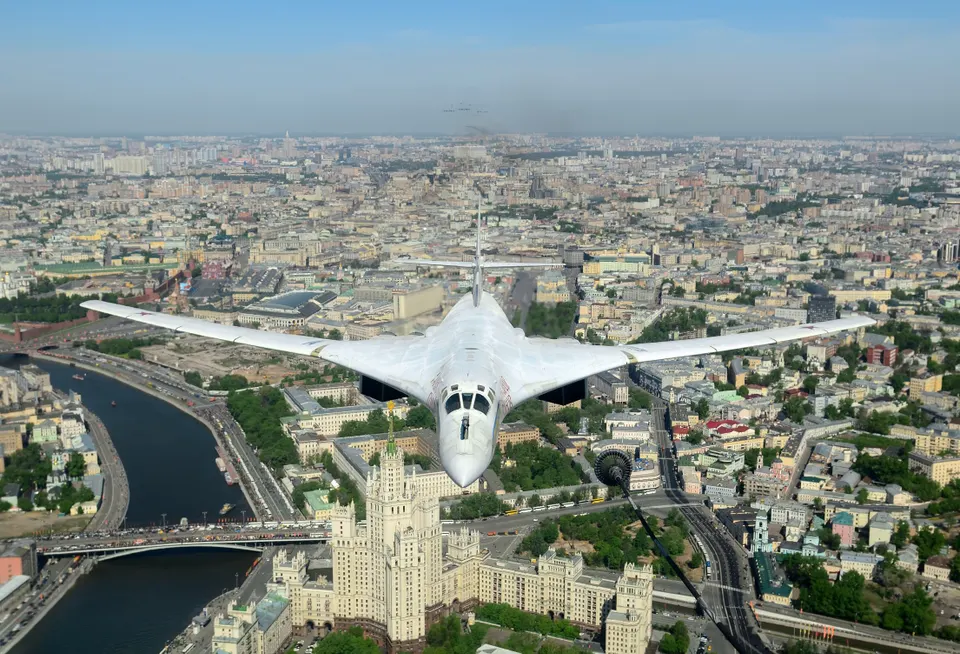
This year's Victory Day parade in Russia, commemorating the end of World War II, is set to be notably different, with reports indicating a significant absence of tanks and other heavy military armor on Red Square. This decision is widely seen as a direct consequence of the heavy toll the ongoing conflict in Ukraine has taken on Russia's military capabilities. The conspicuous lack of these formidable displays of military might is expected to highlight the substantial losses and equipment shortages Russia has experienced during the protracted war.
The omission of tanks and heavy armor is a stark visual representation of the strain on Russia's military resources. In previous years, these elements have been central to showcasing the nation's military power and technological advancement. Their absence this year, however, serves as a somber reminder of the realities of the conflict in Ukraine, where significant amounts of military hardware have been destroyed or rendered inoperable. This change in presentation may also be an attempt to manage public perception domestically and internationally, avoiding a potentially embarrassing display of reduced military strength.
---
Toman Reflects Market Volatility Amid Geopolitical Currents
The Iranian Toman has experienced notable fluctuations today, reflecting the broader market volatility influenced by geopolitical events and commodity price swings. The USD sell price moved from 171,450 to 178,050, marking a significant increase of 3.8%. This depreciation of the Toman against the US dollar is closely tied to the surge in oil prices and the ongoing uncertainty surrounding Iran's regional role and potential export blockades. Such currency movements directly impact the purchasing power of Iranian citizens and the cost of imported goods, contributing to inflationary pressures within the economy.
Accompanying the currency's movement, the price of Emami gold coins also saw a substantial jump, rising from 195,000,000 to 202,000,000 Toman, a 3.6% increase. Similarly, 18-karat gold per gram increased by 3.5%. These parallel movements in the currency and precious metals markets indicate a heightened risk premium associated with the Iranian economy. Investors and individuals are seeking to hedge against potential further depreciation and economic instability by investing in gold and foreign currencies, a common response to periods of geopolitical stress and economic uncertainty. The market is closely watching for further developments that could influence these trends.
Frequently Asked Questions
What caused the Iranian Toman to depreciate?
What is the significance of the US Supreme Court's ruling on the Voting Rights Act?
Why is Russia's Victory Day parade different this year?
How have oil prices reacted to the news?
What is the impact of these events on the Iranian economy?
Understanding the Geopolitical Risk Premium
The geopolitical risk premium is the extra return investors demand for holding assets that are exposed to political and strategic uncertainties—such as wars, sanctions, elections, or sudden policy shifts. When a country faces heightened tension, investors perceive a higher chance that the asset’s value could be disrupted, so they require compensation in the form of higher yields or stronger currency movements. This premium is baked into bond yields, equity valuations, and even exchange rates, acting as a barometer of global political stability.
In the context of the recent headline, the surge in Iran’s Toman can be linked to two intertwined forces. First, a spike in oil prices—often driven by geopolitical events like sanctions on major producers—boosts the revenue prospects of oil‑exporting nations, strengthening their currencies. Second, the United States Supreme Court’s ruling on the Voting Rights Act, while domestic, signals broader political volatility that can ripple through global markets, influencing risk sentiment and capital flows toward or away from emerging economies.
Russia’s Victory Day parade, notably lacking tanks, is another signal of shifting geopolitical calculations. When a nation downplays military displays, it may be attempting to reduce the perceived risk of confrontation, which can lower the geopolitical risk premium attached to its assets. Conversely, any escalation would push the premium higher, prompting investors to demand higher yields on Russian bonds or to pull back from ruble‑denominated assets.
For currency traders and policymakers, monitoring the geopolitical risk premium is crucial. It helps explain why seemingly unrelated events—like a U.S. court decision—can move the Iranian Toman or oil prices, and why the same forces can affect asset prices across continents. By quantifying this premium, investors can better price risk, diversify portfolios, and anticipate sudden market swings.
Key takeaway: The geopolitical risk premium connects political events, commodity markets, and currency movements, offering a unified lens to understand why headlines about courts, parades, and oil prices can simultaneously reshape exchange rates and investment decisions.