NatWest Braces for £140m Iran Conflict Hit as Global Food Security Teeters
زیان ۱۴۰ میلیون پوندی بانک ناتوست از تنشهای منطقه؛ هشدار جدی درباره بحران جهانی غذا
Major UK lender NatWest reports a massive impairment charge linked to Middle East instability, while the CEO of Yara warns of a global fertilizer shortage that could impact billions of meals. Despite the geopolitical noise, the Iranian Toman remains relatively stable, with USD trading at 177,000.
At time of publishing
USD
177,000
Toman
Gold 18K
19.75M
Toman / gram
Bitcoin
$76,976
US Dollar
Tether
17,562.9
Toman
The Financial Toll of Regional Instability
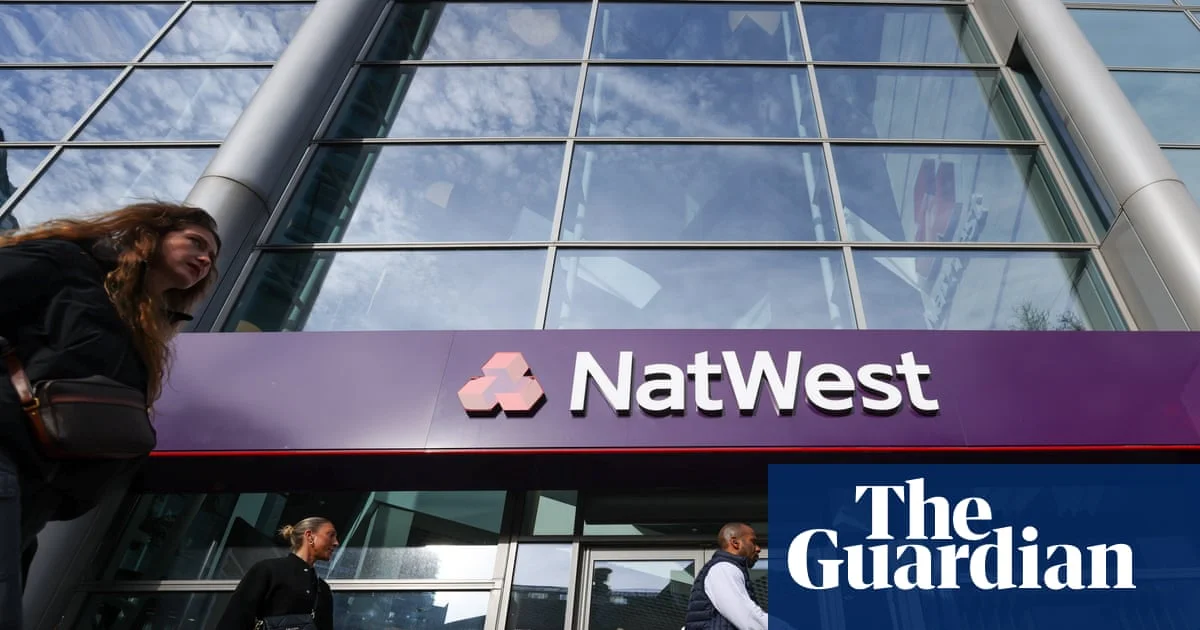
The economic consequences of the ongoing conflict involving Iran are now manifesting in the balance sheets of major Western financial institutions. NatWest, one of the UK’s largest lenders, announced today that it is facing a £140 million hit directly linked to the conflict in the Middle East. While the bank’s overall profits remained ahead of market expectations, it was forced to book a total impairment charge of £283 million. Nearly half of this amount stems from a tactical reassessment of its economic forecast, which now reflects increased geopolitical risk and significantly weaker equity markets. This move signals that the banking sector is no longer viewing the regional tension as a transient event but as a structural drag on global growth and inflation.
Beyond the banking sector, the ripples of the conflict are threatening the very foundations of global food security. Svein Tore Holsether, the CEO of the fertilizer giant Yara, warned that the shortage of fertilizer due to the Iran conflict could reduce crop yields and push food prices to unsustainable levels. He noted that "billions of meals" are effectively at risk if the supply chain for essential agricultural inputs remains severed. For countries like Iran, which are already navigating complex trade sanctions, the rising cost of international fertilizers and the potential for reduced domestic yields create a double-edged sword for food inflation. This is a stark reminder that modern warfare is fought as much in the commodity markets as it is on the battlefield.
In the local Iranian market, the reaction to these global shocks has been surprisingly measured. The US Dollar (USD) moved from 177,150 to 177,000, representing a minor decrease of 0.1% over the last 24 hours. Similarly, Gold 18k per gram saw a decline of 0.6%, moving from 19,870,492 to 19,754,143 Toman. This relative stability suggests that the market had already priced in a significant degree of geopolitical risk, or that central bank interventions are successfully dampening volatility. However, the long-term pressure from global inflation and the potential for a prolonged regional standoff remain the primary concerns for Iranian investors and households alike.
Tehran’s Defiant Stance Against Naval Pressure
As the economic pressure mounts, the political rhetoric in Tehran has sharpened. President Masoud Pezeshkian addressed the international community today, characterizing the proposed naval blockade against Iran as a direct extension of military operations. He framed the blockade not as a legal or diplomatic tool, but as an aggressive act against a nation that is "paying the price for its independence." This stance underscores the government's position that any attempt to restrict Iranian maritime trade will be met with maximum resistance, further complicating the diplomatic efforts to de-escalate the situation in the Persian Gulf and the Strait of Hormuz.
Adding to this sentiment, Parliament Speaker Mohammad Bagher Ghalibaf dismissed the feasibility of such a blockade by drawing a striking geographical comparison. Ghalibaf suggested that the vastness and complexity of Iran's borders make a total isolation impossible, challenging the United States and its allies to recognize the reality of Iran's strategic depth. This defiance is aimed at both domestic and international audiences, intended to bolster national morale while signaling to global markets that Iran does not intend to back down from its current geopolitical posture. For market observers, this rhetoric suggests that the risk of a miscalculation in the Gulf remains high, which continues to cap the upside for assets like Bitcoin.
Security Crises and Resource Scarcity
The broader global landscape is also being shaped by security incidents that heighten the sense of instability. In London, British police are treating a stabbing attack against two Jewish men as a terrorist incident, warning of a sharp rise in antisemitic hate crimes. While seemingly disconnected from the Middle East energy markets, such events contribute to a general atmosphere of social and political fragmentation in the West. This fragmentation often leads to more protectionist policies and a decreased appetite for the kind of international cooperation needed to resolve energy and food crises. Investors are watching these social indicators closely, as they often precede shifts in national security priorities and trade relations.

Meanwhile, the reality of rising energy costs is hitting home in unexpected ways. In Australia, news emerged of a significant theft of diesel—nearly 3,000 dollars worth—from a service station in South Sydney. With diesel prices reaching approximately $3.14 per litre, the incident highlights the growing desperation and economic strain caused by high fuel prices. This micro-level event is a symptom of the macro-level supply shocks mentioned by energy analysts earlier this week. As long as the conflict continues to threaten supply routes, the cost of living will remain the primary political and economic challenge for governments worldwide, from Sydney to Tehran. For the crypto markets, Bitcoin’s rebound above $77,000 remains fragile, as the persistent risk of further escalation in Iran keeps investors from moving fully into "risk-on" mode.
Frequently Asked Questions
Why is NatWest losing money due to the Iran conflict?
How does the fertilizer shortage affect the average Iranian consumer?
Is the USD/IRR exchange rate expected to remain stable at 177,000?
What does the London stabbing attack have to do with global markets?
Geopolitical Risk and its Impact on Global Commodity Markets and Food Security
Geopolitical risk, broadly defined as the potential for political events and conflicts to disrupt international relations and economic systems, is a critical factor influencing global stability. The headline concerning NatWest's potential losses amidst an "Iran Conflict Hit" and "Global Food Security Teeters" starkly illustrates how regional political tensions can ripple through financial markets and vital supply chains. Understanding this interconnectedness is crucial for comprehending the far-reaching consequences of seemingly localized conflicts on global well-being.
One primary mechanism through which geopolitical risks manifest is the disruption of global supply chains. Conflicts can directly impede trade routes, block key waterways (like the "Pezeshkian naval blockade statement" suggests), damage infrastructure, and make transportation prohibitively expensive or dangerous. For instance, the "Yara fertilizer crisis" mentioned in the keywords highlights how disruptions to the supply of critical agricultural inputs, often sourced globally, can severely impact food production worldwide. When essential goods cannot move freely, their availability shrinks, and costs inevitably rise.
This leads directly to the second major impact: volatility in global commodity markets. Geopolitical instability creates uncertainty, driving up prices for energy, fertilizers, and staple food items. Traders factor in potential supply shortages and increased shipping costs, leading to speculative buying and price surges. For countries heavily reliant on imports, these price hikes can be devastating, making basic necessities unaffordable for large segments of their populations and exacerbating existing food insecurity. The mention of "Gold price Iran Toman" and "USD IRR exchange rate" further underscores how such crises can lead to currency depreciation and a flight to safe-haven assets, reflecting a loss of confidence in economic stability.
Ultimately, the confluence of supply chain disruptions and commodity price volatility poses a severe threat to global food security. A regional conflict, even if geographically contained, can have a domino effect across continents, affecting everything from a bank's balance sheet (like NatWest's projected losses) to the availability of bread on a family's table thousands of miles away. It underscores how the world's economic and humanitarian systems are intricately linked, making stability in one region vital for prosperity and security everywhere else.