Trump Sidesteps War Powers Deadline as 'Terminated' Hostilities Ease Tensions; Global Fertilizer Crisis Looms
اعلام پایان مخاصمه توسط ترامپ در آستانه ضربالاجل کنگره؛ هشدار جهانی نسبت به قحطی به دلیل بحران کود
The Trump administration has officially declared hostilities with Iran 'terminated' to meet a critical congressional deadline, providing a brief respite for the Rial, even as industrial leaders warn of a catastrophic global food crisis linked to fertilizer shortages.
At time of publishing
USD
177,000
Toman
Gold 18K
19.87M
Toman / gram
Bitcoin
$77,113
US Dollar
Tether
17,557.1
Toman
Market Open — Friday, May 1, 2026
Good morning from the Arzbin newsroom. The Iranian Rial is starting May with a rare moment of relative calm. The US Dollar (USD/IRR) saw a marginal decline of 0.1%, slipping from 177,150 to 177,000 Toman in early trading. While the move is small, it reflects a market that is cautiously exhaling after weeks of high-octane geopolitical tension. Gold markets, meanwhile, are essentially frozen; the 18k gram is holding steady at 19,870,492 Toman, and the Emami coin remains parked at the 203,000,000 Toman mark.
In the digital asset space, Bitcoin is putting up a fight at the $77,113 level. While bulls are attempting to clear the $77k resistance, the lack of aggressive spot buying and high leverage on long positions are capping the rally. For the Iranian investor, the stability in the Rial combined with Bitcoin's high-altitude consolidation suggests a 'wait-and-see' Friday. Global gold spot prices remain elevated at $4,606 per ounce, serving as a reminder that while the immediate local panic has subsided, the global appetite for safe havens has not.
Trump Declares Hostilities 'Terminated' to Avoid Congressional Showdown
The most significant geopolitical development overnight comes from Washington. The Trump administration has informed Congress that active hostilities with Iran have been 'terminated' following the ceasefire that began in early April. This move is strategically timed to meet a 60-day deadline under the War Powers Act, which would have required the President to seek formal congressional approval to continue military operations. By declaring the conflict over in a legal sense, the administration sidesteps a messy legislative battle and maintains its executive flexibility.

What this means for the Iranian reader is a temporary floor under the Rial. The threat of a full-scale, direct military escalation between the US and Iran has transitioned into a 'frozen conflict' phase. However, 'terminated hostilities' does not mean the end of sanctions or economic pressure. It simply means the kinetic phase has paused, allowing the administration to focus on diplomatic and economic levers. For markets, this reduces the 'war premium' on the Dollar, but the underlying structural issues of the Iranian economy remain untouched.
Despite this legal maneuvering, the human cost of the preceding months continues to surface. Reports of foreign nationals, such as the British couple Lindsay and Craig Foreman facing a 10-year sentence in Iran, serve as a reminder that diplomatic normalization is still a distant prospect. The legal 'termination' of war is a political tool for Washington, but for those on the ground and in the markets, the environment remains one of high surveillance and restricted movement.
The Invisible Crisis: 10 Billion Meals at Risk from Fertilizer Shortage
While the headlines have focused on missiles and oil tankers, a far more insidious crisis is brewing in the global supply chain. Svein Tore Holsether, the CEO of Yara—the world’s largest fertilizer company—warned overnight that the Iran conflict has put 10 billion meals a week at risk. Fertilizer production is heavily dependent on natural gas and stable shipping routes, both of which have been severely disrupted. This isn't just about higher prices; it’s about a potential 'global auction' for food where the poorest nations, particularly in Africa, will be priced out of existence.
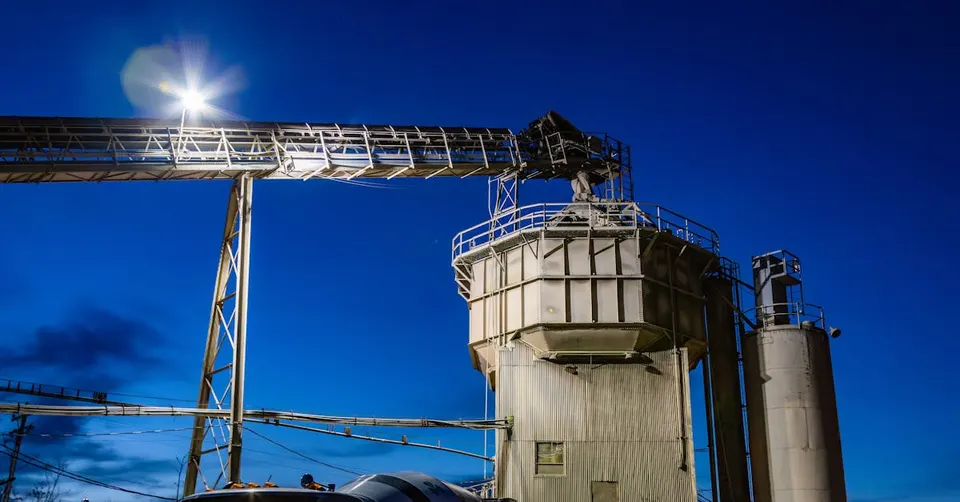
The Strait of Hormuz, often discussed only in the context of oil, is a critical artery for the global food system. John Denton, Secretary General of the International Chamber of Commerce, emphasized that the deterioration of access to fertilizer is the 'sharpest issue' at the moment. He described the situation as a 'cataclysmic risk' to food security. For Iran, which is a significant producer and transit point for these materials, the continued volatility in the Gulf means that even if the bombs stop falling, the economic cost of lost trade and damaged infrastructure will be felt in global grocery aisles for years.
This crisis is also forcing an unexpected reconfiguration of global trade. Interestingly, Syria is being noted for making an 'extraordinary contribution' to trade rerouting, a development that seemed unthinkable just a few years ago. This shift highlights how the Iran conflict is permanently altering Middle Eastern logistics. For the Iranian business community, this underscores the necessity of finding new, non-traditional corridors for exports as traditional routes remain under intense geopolitical scrutiny.
Energy Squeeze: India Hikes Fuel Prices as Regional Costs Mount
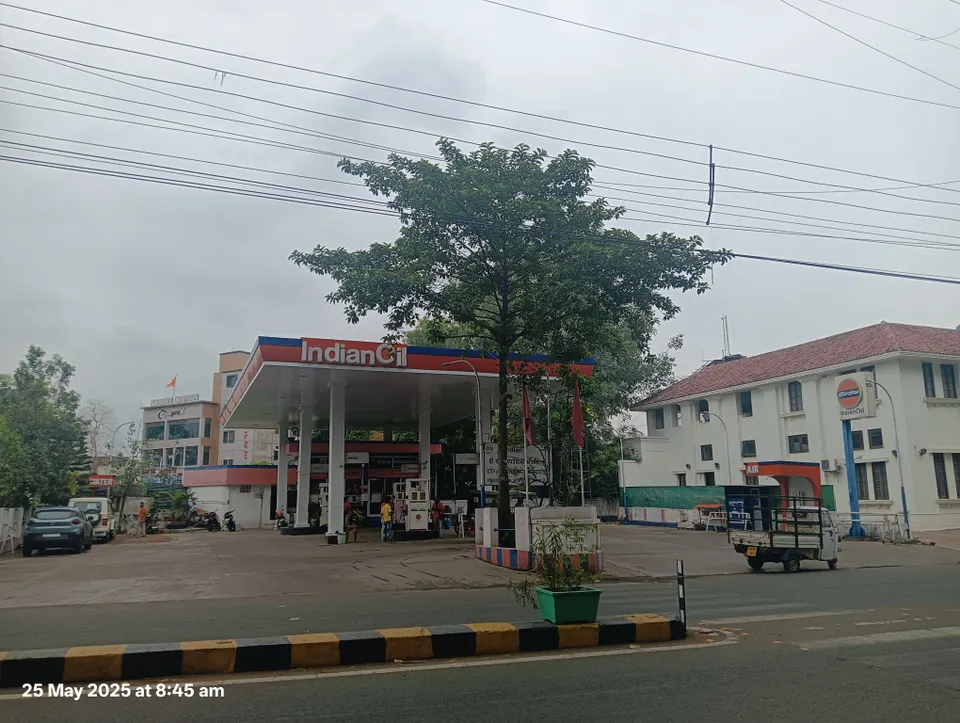
The economic ripples of the Middle East crisis have reached the shores of India, where the Indian Oil Co. has announced a massive 48% hike in LPG prices for industrial users. Additionally, jet fuel prices for foreign airlines have been raised by over $76 per kilolitre. These hikes are a direct response to the supply squeeze caused by the instability in the Persian Gulf and the closure of key shipping lanes. While household consumers in India are currently shielded, the cost of manufacturing and air travel is set to soar across the region.
This energy squeeze is accelerating a 'quiet electrification revolution' across South and Southeast Asia. As countries realize the danger of over-reliance on Middle Eastern crude, they are doubling down on coal and renewables to power their grids. However, the transition is painful. In Australia, the desperation for fuel has reached the point of criminality, with reports of large-scale diesel theft from service stations. When diesel is being stolen in thousand-liter quantities in Sydney, it is a clear signal that global energy anxiety is peaking.
For the Iranian energy sector, these developments are a double-edged sword. While global supply shortages keep energy prices high, the aggressive move toward electrification in Asia—Iran's primary market—threatens long-term demand. The 'May Day' rallies seen globally, from Istanbul to Islamabad, are no longer just about wages; they are becoming protests against the energy-driven inflation caused by the US-Israeli-Iranian tensions. The world is paying for this conflict at the pump and the grocery store, and the pressure on policymakers to find a permanent solution is reaching a breaking point.
Frequently Asked Questions
Why did Trump declare hostilities with Iran 'terminated' now?
How does the fertilizer shortage affect the average consumer?
Why is the Rial stable despite the ongoing geopolitical tension?
Understanding the Global Fertilizer Crisis
The world’s fertilizer shortage is not just a market hiccup; it is a structural crisis rooted in the chemistry of modern agriculture. Most nitrogen‑based fertilizers are produced from ammonia, which in turn is synthesized by the Haber‑Bosch process using natural gas as both feedstock and energy source. When natural‑gas prices spike—or when key gas‑producing regions face geopolitical tension—fertilizer manufacturers scramble for raw material, driving up prices and throttling output. The 2022‑2023 surge in Russian gas prices, combined with sanctions that limited Russian fertilizer exports, triggered the first wave of the current crisis.
Supply chain fragility is amplified by the concentration of production in a handful of firms and countries. Companies such as Norway’s Yara International, Canada’s Nutrien, and Russia’s PhosAgro together account for a large share of global output. Any disruption—whether a plant shutdown, export restriction, or logistical bottleneck in the Strait of Hormuz, a chokepoint for oil and gas shipments—ripple‑effects through the entire agricultural sector. Farmers in India, Brazil, and sub‑Saharan Africa have already reported fertilizer price hikes of 30‑50 %, forcing them to cut back on application rates and jeopardizing crop yields.
The downstream impact on food security is stark. Fertilizer is a key driver of grain productivity; a 10 % reduction in nitrogen use can translate into a similar drop in wheat or maize yields, tightening global food supplies and pushing staple‑food prices upward. This, in turn, fuels inflationary pressures, especially in economies already wrestling with energy price spikes and currency depreciation, such as Iran’s USD/IRR dynamics. Policymakers therefore monitor the fertilizer market as a leading indicator of potential food‑price shocks and social unrest.
Addressing the crisis requires both short‑term and long‑term strategies. In the immediate term, governments can release strategic reserves, subsidize fertilizer imports, or negotiate temporary trade waivers. Over the longer horizon, diversifying nitrogen sources—through green ammonia produced from renewable electricity, expanding biological nitrogen fixation, or improving fertilizer‑use efficiency via precision agriculture—can reduce dependence on volatile fossil‑fuel markets and build resilience against future geopolitical shocks.