Trump Bypasses Iran War Deadline as Oil Surges Past $105; Toman Holds Steady Amid Global Friction
دور زدن ضربالاجل جنگ ایران توسط ترامپ؛ جهش نفت به ۱۰۵ دلار و پایداری نسبی تومان در میانه تنشها
The Trump administration has rejected a critical 60-day Congressional deadline to end hostilities with Iran, arguing that a ceasefire effectively 'paused' the clock. Meanwhile, global energy markets are bracing for $140 oil as the Strait of Hormuz blockade persists and Bitcoin maintains its $77,000 resistance.
At time of publishing
USD
176,600
Toman
Gold 18K
19.65M
Toman / gram
Bitcoin
$77,330
US Dollar
Tether
17,590
Toman
The Legal Loophole: Trump and the 60-Day War Powers Deadline
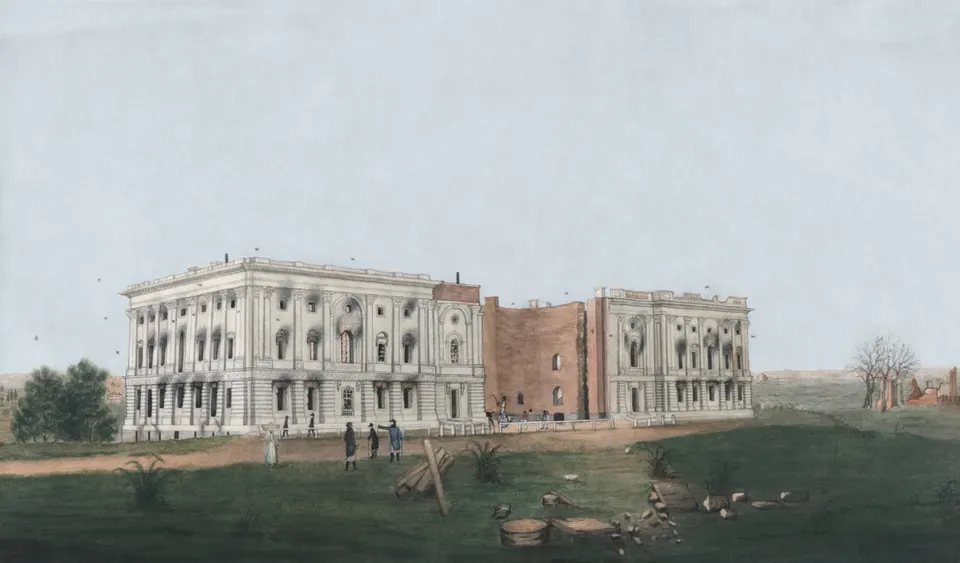
Today marks a pivotal moment in American constitutional law and Middle Eastern geopolitics. Under the War Powers Act of 1973, the Trump administration was facing a 60-day deadline to either secure Congressional authorization for ongoing hostilities against Iran or begin a mandatory withdrawal. However, Defense Secretary Pete Hegseth has formally argued that the current ceasefire agreement with Tehran has effectively "paused or stopped" the legal clock. This maneuver allows the White House to maintain its military posture in the region without immediate legislative interference, a move that has sparked intense debate in Washington about the limits of executive power during hybrid conflicts.
While the administration claims this pause is a pragmatic response to a cooling conflict, critics argue it sets a dangerous precedent for bypassing the oversight of Congress. The tension is further complicated by recent security scares at the White House, including the release of footage involving a suspected gunman, Cole Allen. For the global observer, this legal maneuvering signifies that the United States is not yet ready to fully de-escalate its presence in the Persian Gulf, keeping the threat of renewed kinetic action on the table as a leverage point in broader negotiations.
Energy Markets on Edge: The $140 Oil Warning
Energy markets have reacted sharply to the ongoing diplomatic stalemate and the physical disruptions near the Strait of Hormuz. WTI crude oil futures surged above $105 per barrel this week, marking one of the most aggressive rallies in recent months. The supply crunch is being driven by the U.S.-Iran standoff and the stalled peace talks, which have left traders fearing a prolonged blockade. Mohammad Bagher Ghalibaf, the Speaker of Iran’s Parliament, has warned that oil could soon hit $140 per barrel if the American blockade is not lifted, dismissing U.S. economic policy as being guided by "junk advice."
This spike in energy costs is radiating far beyond the trading floors of New York and London. In India, the government has been forced to hike the prices of Hajj pilgrimage packages for its citizens, citing soaring jet fuel prices directly linked to the conflict in Iran. This illustrates how the regional tension is no longer just a localized geopolitical issue but a direct tax on religious and cultural practices globally. For Iranian households, while the domestic currency has shown surprising resilience today, the shadow of $140 oil suggests that global inflationary pressures will eventually find their way back to local commodity prices.
Transatlantic Rifts and the European Withdrawal Threat
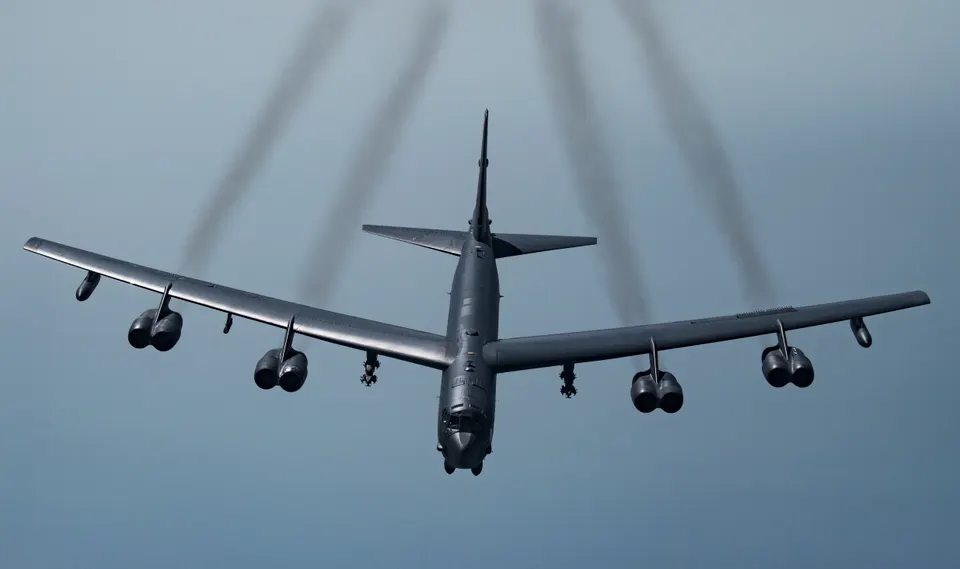
President Donald Trump has escalated his rhetoric against European allies, threatening to withdraw U.S. troops from Italy and Spain. This follows a similar threat directed at Germany, after Chancellor Friedrich Merz suggested that the United States was being "humiliated" by its inability to resolve the Iran crisis. Trump’s frustration stems from what he perceives as a lack of support from European nations in maintaining maritime security and enforcing operations in the Strait of Hormuz. This fracture in NATO’s unified front could have long-term consequences for global security architectures.
For Iran, this rift in Western alliances provides a strategic opening. If the United States reduces its footprint in Europe as a retaliatory measure for lack of cooperation in the Middle East, the traditional "maximum pressure" coalition may continue to crumble. However, the immediate impact is a sense of heightened volatility. As the U.S. threatens to pull back from traditional allies while maintaining a blockade against Iran, the risk of a miscalculation in the narrow shipping lanes of the Gulf remains at an all-time high, keeping insurance premiums for shipping at record levels.
Local Markets: Toman and Gold Show Relative Stability
Despite the geopolitical firestorms, the Iranian domestic market has remained remarkably stable during this hourly session. The USD/IRR exchange rate moved from 177,150 to 176,600, a slight appreciation of 0.3% for the Toman. Gold prices saw a more pronounced correction, with 18k gold dropping from 19,870,492 to 19,653,261 Toman per gram, a decrease of 1.1%. This suggests that while global tensions are high, local liquidity and market sentiment have already priced in much of the current risk, leading to a period of consolidation rather than panic.
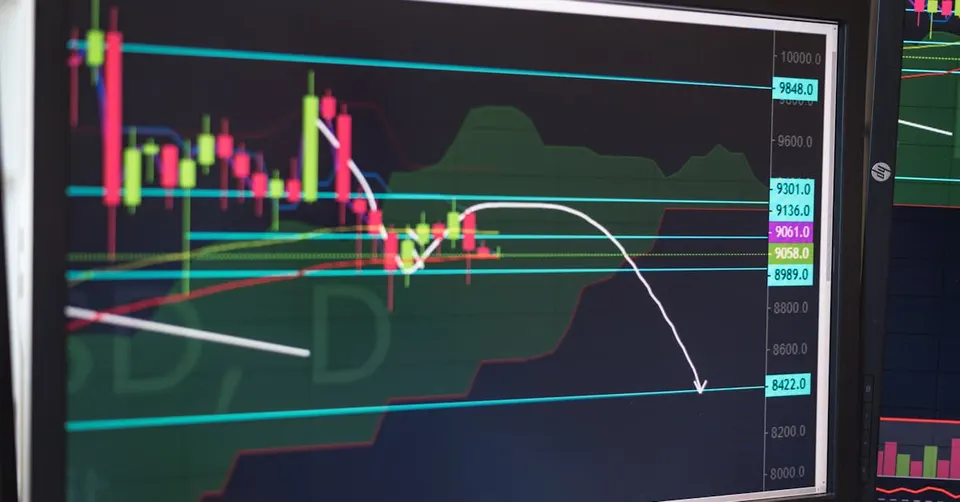
In the digital asset space, Bitcoin continues to trade around the $77,330 mark, facing a psychological ceiling after a strong April that saw $2 billion in ETF inflows. The crypto market is increasingly being viewed as a hedge against the very energy-driven inflation that Ghalibaf warned about. For Iranian investors, the combination of a stable Toman and a cooling gold price provides a brief window of clarity, though the underlying volatility of the $105 oil market remains the primary driver to watch in the coming days.
Frequently Asked Questions
What is the 60-day War Powers Act deadline?
Why is oil surging despite the ceasefire?
How has the Iranian Toman responded to these threats?
Why is Trump threatening to withdraw troops from Europe?
The Strait of Hormuz: A Global Energy Chokepoint
The Strait of Hormuz is one of the world's most strategically vital waterways, a narrow sea passage connecting the Persian Gulf to the Arabian Sea and beyond. For a curious reader, understanding its significance is crucial to grasping why geopolitical tensions in the Middle East, such as potential conflicts involving Iran, can send shockwaves through global energy markets and impact everyday life through higher oil prices and inflation. It acts as the sole maritime outlet for the vast oil and gas reserves of several major producers in the Gulf region, including Saudi Arabia, Iran, Iraq, Kuwait, Qatar, and the UAE.
What makes the Strait of Hormuz a critical "chokepoint" is the sheer volume of oil that transits through it daily. Approximately one-fifth of the world's total petroleum liquids consumption, or about 21 million barrels per day, passed through this strait in 2023. This makes it the world's most important oil transit chokepoint by volume. Any disruption, blockage, or threat to shipping in this narrow channel – which is only about 21 nautical miles (39 km) wide at its narrowest point – has immediate and profound implications for global energy security and supply.
Geopolitical friction, especially involving Iran, often brings the Strait of Hormuz into sharp focus. Given its pivotal role, any perceived threat to the strait's navigability, whether from military action, sanctions, or even rhetorical escalation, can trigger a rapid surge in global crude oil prices. Traders and markets react instantly to the risk of supply disruption, leading to increased volatility and, as seen in the headline, a surge in prices that contributes to global energy inflation. This direct link between regional stability and international economic health underscores why the Strait of Hormuz remains a constant point of concern for governments and markets worldwide.