
EV Victory Lap: Iranians Bypass $4 Fuel as Toman Sinks and US Economy Defies Oil Shocks
دور افتخار خودروهای برقی در ایران؛ فرار از بنزین گران همزمان با جهش قیمت دلار و طلا
As global oil supplies tighten due to regional tensions, electric vehicle adoption provides a rare shield against soaring fuel costs. Meanwhile, the Toman has devalued by 3.3% in 24 hours, while the US economy shows unexpected resilience against the energy crisis.
At time of publishing
USD
183,800
Toman
Gold 18K
20.66M
Toman / gram
Bitcoin
$78,292
US Dollar
Tether
18,297.3
Toman
The Electric Pivot: Avoiding the $4-a-Gallon Trap
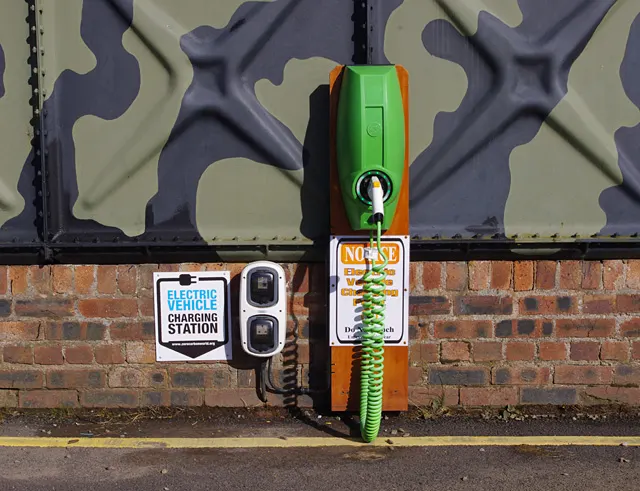
As the conflict involving Iran continues to ripple through global energy markets, a quiet revolution is taking place on the roads. Electric-vehicle (EV) drivers are increasingly seen as the winners of this economic cycle, literally driving past gas stations where fuel prices have climbed toward $4 a gallon. In Iran, the shift is becoming more than just a lifestyle choice; it is a strategic move for those looking to decouple their daily costs from the volatile swings of the global oil market. While the domestic fuel market remains subsidized, the global scarcity and the rising cost of logistics are making the efficiency of electric transport more attractive than ever.
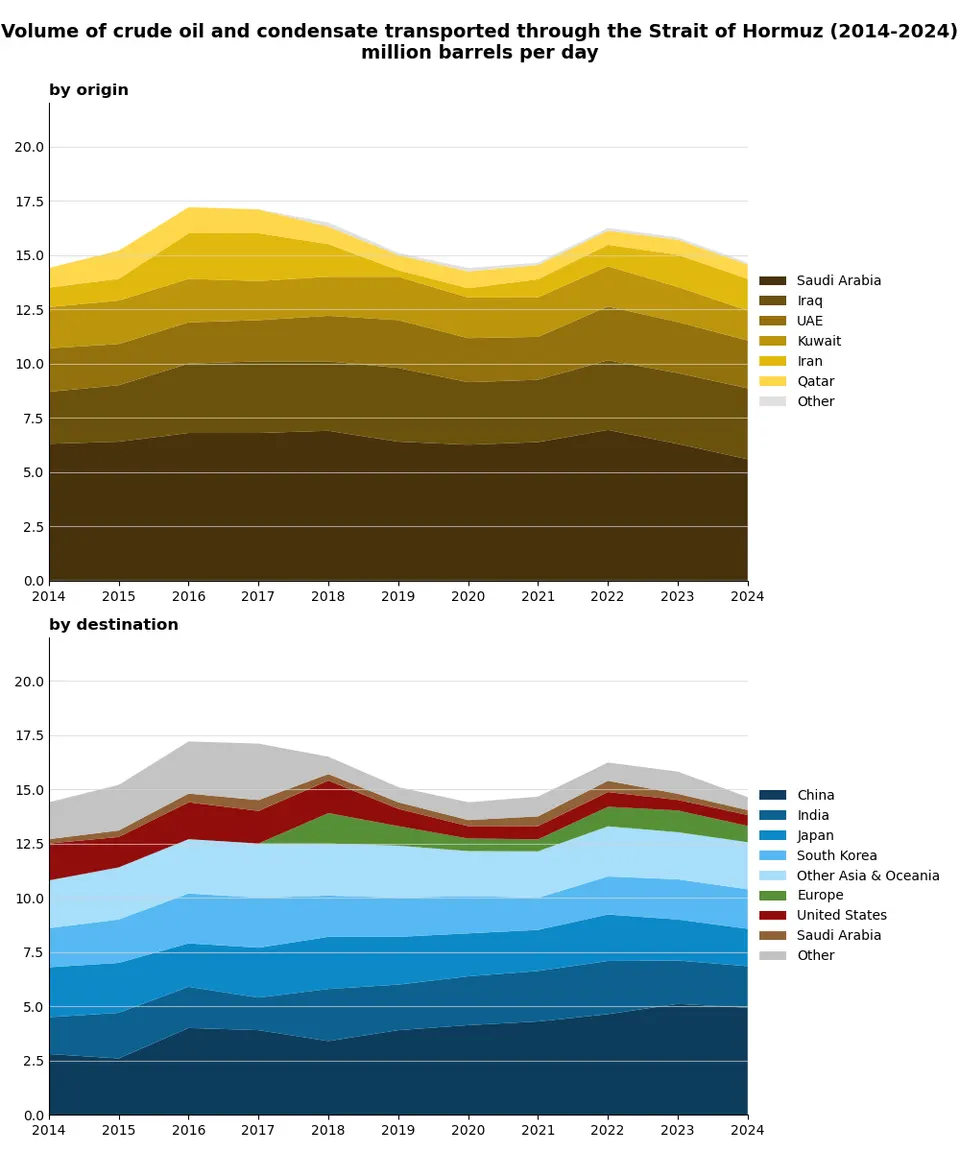
This trend is not merely about saving money at the pump; it represents a broader shift in consumer psychology. As global oil supplies are squeezed by regional blockades and naval tensions, the reliability of the traditional internal combustion engine is being questioned. For the Iranian market, this move toward electrification aligns with a broader national push for energy independence. High-tech infrastructure is slowly catching up, and for the first time, the "green" option is also the most economically defensive one. It provides a buffer against the inflationary pressures that typically follow an energy crisis, allowing households to maintain mobility without being held hostage by the next headline from the Strait of Hormuz.
The Unsinkable U.S. Economy and the Toman's Struggle
Despite the surging oil prices and the mounting tensions in the Middle East, the U.S. economy is proving to be remarkably "unsinkable." Analysts note that high tariffs, stubborn inflation, and even the threat of government shutdowns have failed to crack the American economic engine. This resilience is a double-edged sword for emerging markets like Iran. A strong U.S. economy often keeps the dollar robust on the global stage, which puts additional pressure on local currencies. In the last 24 hours, the USD/IRR rate moved from 178,000 to 183,800, representing a significant 3.3% devaluation of the Toman.
This divergence—a booming U.S. macro environment versus a struggling local currency—creates a difficult landscape for Iranian investors. Gold 18k per gram has also surged from 20,023,777 to 20,658,617 (+3.2%), tracking the currency's decline almost perfectly. For the average citizen, this means that even as the U.S. economy remains unfazed by war, the local cost of living continues to climb. The "unsinkable" nature of the American market suggests that high interest rates and a strong dollar will persist, making any recovery for the Toman in the short term increasingly unlikely without a major geopolitical de-escalation.
Global Fallout: From Sudan’s Crisis to Agricultural Threats
The consequences of the ongoing conflict are extending far beyond the borders of the Middle East, creating humanitarian and environmental crises in unexpected places. In Sudan, aid organizations report that the Iran-related conflict has disrupted key shipping routes, making it nearly impossible to deliver life-saving medicine and food to millions. This worsening medicine crisis highlights the "butterfly effect" of regional instability. When the Strait of Hormuz is managed with the same intensity as the nationalization of the oil industry, as suggested by Iranian officials, the logistical friction is felt by the world’s most vulnerable populations.
Even the agricultural sector in the West is not immune to the chaotic global environment. US vineyards from Virginia to New York are currently battling an invasion of spotted lanternflies, which drain vines and cut yields. While seemingly unrelated to geopolitics, these environmental stressors add to a global sense of fragility. When combined with the high cost of fuel and disrupted trade routes, the cost of production for everything from wine to wheat is rising. This interconnectedness reminds us that in 2026, no economy is an island. Whether it is a lack of medicine in Sudan or a pest infestation in Virginia, the underlying theme is a global supply chain that is under immense, multi-directional pressure.
National Solidarity Amidst Economic Turmoil
In response to these external and internal pressures, Iranian leadership is doubling down on the narrative of national unity. The head of the Islamic Republic News Agency (IRNA) recently hailed national solidarity as the "defining trait" of the Iranian people, pointing to provinces like Yazd as models of communal harmony. This focus on social cohesion is a strategic necessity during times of high inflation and currency volatility. By emphasizing a shared identity and resilience, the state aims to maintain stability even as the Emami coin rises to 204,000,000 Toman, marking a 0.5% increase in a single day.
For the reader, this means that the economic reality is being met with a focused political response. Understanding the market right now requires looking past just the numbers of the USD or Gold. It requires an understanding of how national policy and public sentiment are being managed to absorb the shocks of a 3.3% currency drop. As long as the regional management of trade routes remains a top priority for the parliament, the market will likely remain in a state of high-alert, with volatility being the only constant in the foreseeable future.
Frequently Asked Questions
Why is the Toman devaluing if the US economy is stable?
How do EV drivers benefit from the current Iran-related conflict?
What is the connection between the Strait of Hormuz and Sudan's medicine crisis?
Will gold prices continue to follow the USD/IRR trend?
The Economic Ripple: Understanding Currency Devaluation
Currency devaluation signifies a country's currency losing value relative to other currencies, a phenomenon often triggered by high inflation, substantial trade deficits, political instability, or international sanctions. In the context of the Iranian Toman (officially the Rial), a confluence of these factors has historically contributed to its significant depreciation against major currencies like the US Dollar, leading to profound economic shifts within the nation.
A devalued currency drastically diminishes the purchasing power of its citizens. While domestic prices for some goods might not immediately reflect the full extent of the devaluation, virtually anything with imported components or services becomes significantly more expensive. Wages, earned in the local currency, buy progressively less, leading to a decline in living standards and a perception of even domestically priced goods as "expensive." This is crucial for understanding why Iranians might seek to "bypass $4 fuel"—even if domestic fuel is subsidized and priced below global rates, the Toman's collapse makes that price feel exorbitant relative to their diminished income.
A direct consequence of devaluation is a palpable shift in consumer behavior and economic priorities. Faced with increasingly expensive traditional goods and services (like gasoline, whose real cost is tied to international oil prices even if subsidized domestically), consumers actively seek alternatives. The rise of electric vehicles (EVs) in Iran, despite potential initial import costs, can be seen as a strategic adaptation. EVs offer an escape from volatile and increasingly unaffordable gasoline, leveraging potentially cheaper domestic electricity or long-term savings, even if the initial investment is high. This illustrates how currency dynamics can drive fundamental changes in a nation's energy consumption patterns and technological adoption.
Beyond consumer choices, currency devaluation has broader economic implications. While it theoretically makes exports cheaper and imports more expensive, potentially improving the trade balance, it often leads to imported inflation as the cost of essential foreign goods rises. It also deters foreign investment and can exacerbate overall economic instability, underscoring the complex challenges faced by economies experiencing rapid currency depreciation and the innovative ways societies adapt to these pressures.