Araghchi Rallies Diplomatic Support Amid Gaza Solidarity as Emami Coin Surges 2.5% in Tehran
رایزنیهای دیپلماتیک عراقچی همزمان با همبستگی جهانی با غزه؛ جهش ۲.۵ درصدی سکه امامی در بازار تهران
Foreign Minister Araghchi engages Japanese and Italian counterparts to bolster a fragile regional ceasefire, while domestic markets see a 2.5% spike in Emami coin prices. Global solidarity for the Gaza Flotilla grows as labor unions in Europe push for bans on 'gambling-style' dynamic wages.
At time of publishing
USD
183,900
Toman
Gold 18K
20.64M
Toman / gram
Bitcoin
$78,119
US Dollar
Tether
18,749.9
Toman
Diplomacy Under Pressure: Araghchi’s Strategic Outreach
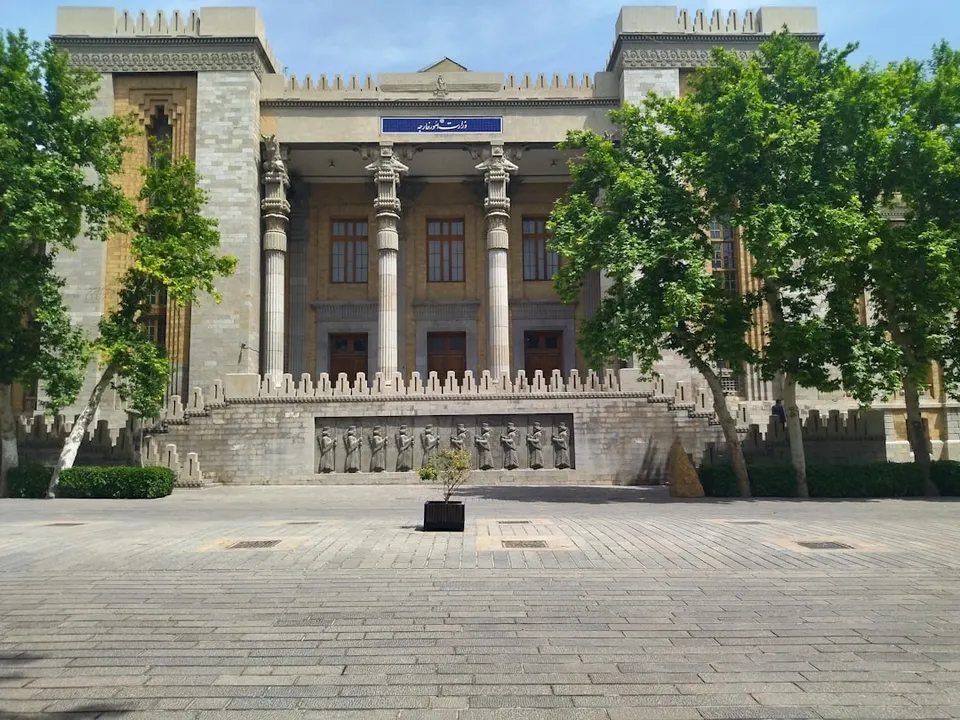
As the clock struck 10:00 in Tehran this Sunday, the geopolitical landscape remained tense but active. Foreign Minister Abbas Araghchi has initiated a high-stakes diplomatic marathon, holding separate telephone conversations with his Japanese and Italian counterparts. These talks come at a critical juncture for Iran, as the administration seeks to solidify a fragile ceasefire and mitigate the fallout from what local state media describes as the "US-Israeli war of aggression." Araghchi’s primary objective is to outline Tehran’s diplomatic push for a sustainable end to the conflict, emphasizing that international stability depends on responsible, collective action rather than unilateral pressure.
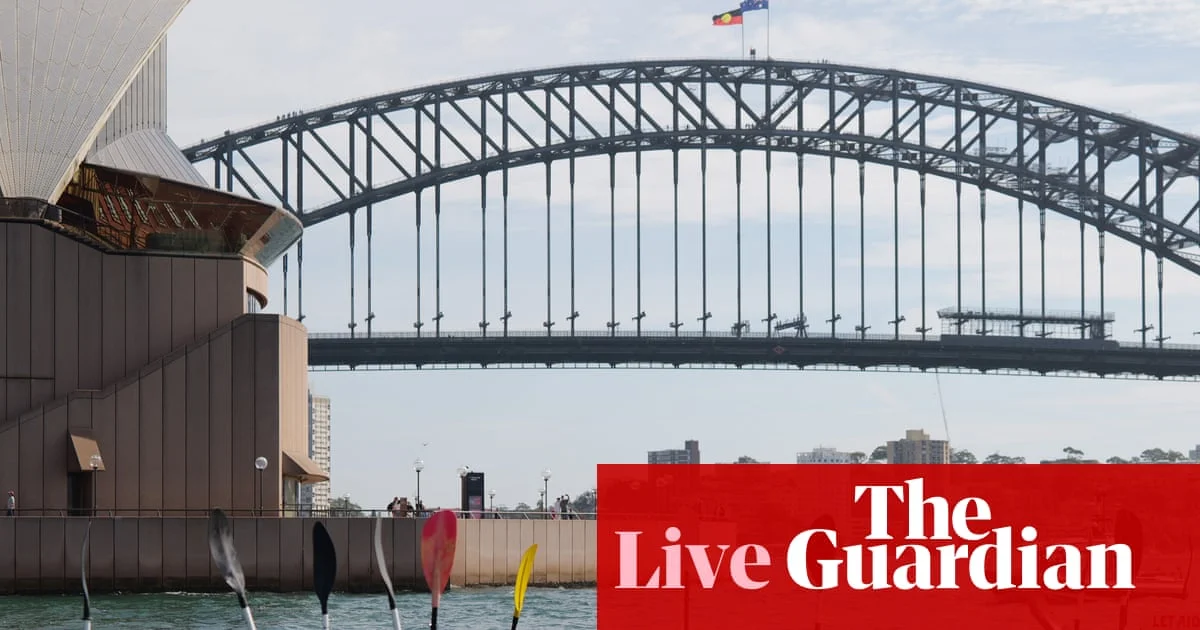
This diplomatic maneuvering is not happening in a vacuum. In cities as far-flung as Sydney and Newcastle, dozens of activists have taken to the water in a "paddle out" solidarity event for the Gaza Flotilla. While these actions are symbolic, they reflect a growing global sentiment that puts additional pressure on Western governments to reconsider their stance on regional sanctions and military support. For the Iranian reader, these developments are a double-edged sword: while international solidarity offers a moral victory, the slow pace of diplomatic breakthroughs keeps the shadow of "Operation Economic Fury" looming over the domestic economy, where millions of jobs are reportedly at risk due to the prolonged state of uncertainty.
Market Divergence: The 208 Million Toman Coin
The financial markets in Tehran are telling a story of cautious hedging and internal volatility. While the US Dollar saw a marginal decline, moving from 184,000 to 183,900 Toman (-0.1%), the gold market took a different path. The Emami coin experienced a significant surge, jumping from 203,000,000 to 208,000,000 Toman, a 2.5% increase in a single day. This divergence suggests that investors are moving away from liquid currency and into hard assets, likely spooked by the global gold ounce price which remains elevated at $4,615.40. Even as 18k gold per gram saw a slight 0.2% dip to 20,636,225 Toman, the demand for minted coins reflects a deep-seated desire for security among the Iranian middle class.
Adding to the economic complexity is the energy sector's latest shift. China has reportedly "flipped the switch" on fuel exports, reversing previous curbs after domestic inventories reached comfortable levels. This move is intended to alleviate the fuel shock gripping much of Asia due to the persistent disruptions at the Hormuz chokepoint. For Iran, China’s decision to reopen the export spigot is a critical signal; it suggests that even as regional tensions persist, major global players are finding ways to bypass the logistical bottlenecks that have defined the last several months of the energy trade. The interplay between high gold prices and a shifting energy landscape continues to dictate the rhythm of the Tehran bazaar.
The Human Cost of the Gig Economy and AI
Beyond the regional conflict, a significant shift is occurring in the global labor market that could eventually ripple into Iran’s own burgeoning tech sector. The Trades Union Congress (TUC) in the UK has called for a total ban on "dynamic pay" platforms like Uber, arguing that workers are essentially "gambling" with their livelihoods. These platforms use shadowy algorithms to set wages based on real-time demand, a practice the TUC claims decouples pay from skill or effort. This debate highlights a growing global anxiety over the lack of transparency in algorithmic management—a concern that is increasingly relevant as Iran attempts to digitize its own service economy under the weight of sanctions.
This labor struggle is mirrored in the entertainment industry, particularly in China, where AI-generated "microdramas" are replacing human actors and writers. As jobs dry up for traditional performers, the legal and ethical boundaries of AI likeness are being tested in courts. For Iranian tech enthusiasts and policymakers, this serves as a cautionary tale. While AI offers a path to efficiency and a way to bypass some technological isolation, the human cost—manifested in job losses and the erosion of labor rights—remains a potent threat. Whether in a Sydney home tragedy or a London union hall, the theme of 2026 is increasingly becoming one of human resilience against automated systems and geopolitical forces.

Regional Soft Power and Domestic Realities
In an effort to project stability and cultural reach, Iran’s mission in the Democratic Republic of Congo recently hosted a "No to War" campaign. The event featured a fusion of Iranian and Congolese music, photography, and dialogue, aiming to foster a narrative of peace and South-South cooperation. While such initiatives are designed to build soft power and diversify Iran’s diplomatic portfolio, they stand in stark contrast to the grueling economic reality at home. Reports indicate that the cumulative effect of regional instability has led to the loss of millions of jobs, a phenomenon local analysts are calling a byproduct of the broader economic warfare being waged against the country.
As the Jaffer Express carries passengers through the perilous landscapes of Balochistan in Pakistan, and as English football fans weigh the exorbitant costs of the upcoming World Cup, the world feels more fragmented than ever. For the average Iranian, the focus remains on the intersection of these global events and their daily purchasing power. With the Emami coin now hovering at record highs and diplomatic channels only just beginning to clear, the coming hours will be crucial in determining whether the current market volatility is a temporary spike or the start of a new, more aggressive inflationary cycle.
Frequently Asked Questions
Why did the Emami coin price increase while USD remained stable?
What is the goal of Araghchi's recent diplomatic calls with Japan and Italy?
How is China's fuel export decision affecting the region?
What is 'Operation Economic Fury' mentioned in recent reports?
Why the Strait of Hormuz Matters: The Global Energy Bottleneck
The Strait of Hormuz is a narrow waterway, only about 21 nautical miles wide at its narrowest point, that links the Persian Gulf with the Gulf of Oman and the open ocean. Despite its modest dimensions, it sits at the crossroads of some of the world’s most important oil‑producing nations, including Iran, Saudi Arabia, the United Arab Emirates, and Kuwait. Because the strait is the only maritime outlet for these Gulf states, any disruption can instantly affect the flow of crude and refined products to global markets.
Approximately 20‑30% of the world’s daily oil trade transits the Hormuz corridor, amounting to roughly 21 million barrels per day in 2023. In addition to oil, the strait carries a sizable share of liquefied natural gas (LNG) and petrochemical shipments. This concentration makes Hormuz a strategic chokepoint; even a brief closure—whether caused by military action, piracy, or a technical accident—can create immediate spikes in oil prices and ripple through the global economy.
Geopolitically, the strait is a flashpoint between Iran and its regional rivals, as well as extra‑regional powers such as the United States and China. Tehran has repeatedly threatened to restrict traffic through Hormuz in response to sanctions or perceived aggression, while Beijing, a major importer of Middle‑East oil, monitors the waterway closely to safeguard its energy security. The 2024‑2026 period has seen heightened rhetoric, with Iran conducting naval drills near the chokepoint and China expanding its fleet of fuel tankers to diversify routes.
For economies dependent on cheap energy—especially those already grappling with inflation or fiscal strain—the Hormuz bottleneck translates into higher import bills, tighter balance‑of‑payments, and political pressure to diversify energy sources. Nations respond by building strategic petroleum reserves, investing in alternative pipelines (like the East‑Med and TurkStream projects), and exploring renewable energy pathways. Understanding Hormuz’s role helps explain why oil price shocks still reverberate worldwide, even as the energy transition gathers pace.