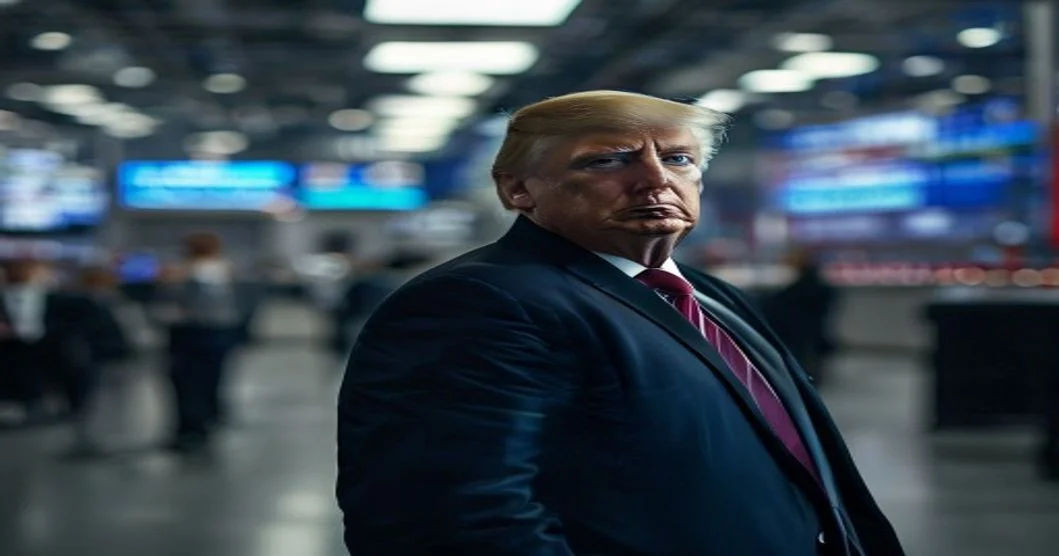
Trump Rejects Iran’s 14-Point Peace Plan: 'The Price Has Not Been Paid'
رد طرح صلح ۱۴ مادهای ایران توسط ترامپ؛ «بهای لازم هنوز پرداخت نشده است»
Donald Trump signals a cold reception to Tehran's latest diplomatic overture, while the Strait of Hormuz remains a high-stakes deadlock. As Emami coins jump 3% overnight, the market is pricing in a long road to de-escalation.
At time of publishing
USD
183,900
Toman
Gold 18K
20.67M
Toman / gram
Bitcoin
$78,232
US Dollar
Tether
18,880
Toman
Market Open — Divergent Signals in Tehran
The Tehran market opened this Sunday morning with a curious split between the currency and gold sectors. The US Dollar (USD/IRR) saw a marginal decline, slipping from 184,000 to 183,900 Toman, a decrease of 0.1%. While the spot currency market remains tightly controlled and relatively stable, the gold coin market is telling a different, more anxious story. The Emami gold coin surged by 3.0% overnight, jumping from 203 million to 209 million Toman.
This discrepancy suggests that while the central bank may be managing the headline dollar rate, local investors are hedging against geopolitical uncertainty by piling into gold. Gold 18k remained flat at 20,669,698 Toman per gram, but the premium on coins indicates a rush for liquidity and portable wealth. Bitcoin is holding steady at $78,232, though analysts warn that much of the recent rally has been driven by speculative futures rather than organic spot demand, mirroring the jittery sentiment seen in local Iranian markets.
Trump’s 'Big Price' Rhetoric Stalls Peace Hopes
President Donald Trump has cast a long shadow over the latest diplomatic efforts to end the current regional conflict. After receiving a 14-point peace proposal from Tehran, delivered via Pakistani mediators, Trump stated on Saturday that he "can't imagine" the plan being acceptable in its current form. His primary contention is that Iran has not yet "paid a big enough price" for recent escalations. This phrasing suggests that the White House is not looking for a compromise, but rather a significant strategic concession that goes beyond the terms currently on the table.
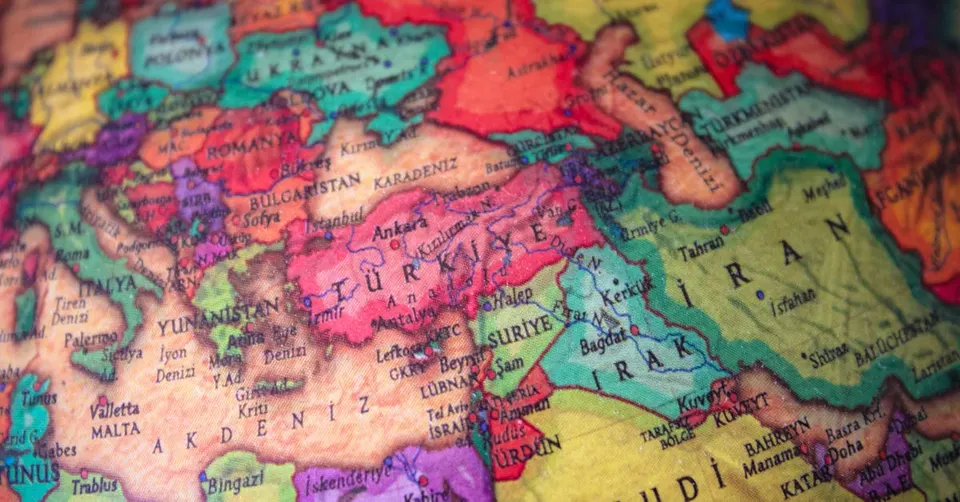
For the Iranian reader, this rhetoric is a clear signal that the 'Maximum Pressure' playbook is being refined for the 2026 context. The 14-point plan, reported by agencies like Fars and Tasnim, was seen by some as a genuine off-ramp, but Trump’s dismissal indicates that the US administration perceives Tehran as being in a position of weakness. By framing the conflict as a matter of "paying a price," the US is signaling that further economic or military pressure may be applied before any serious negotiations begin. This has immediately cooled hopes for a swift reopening of trade routes.
The Hormuz Deadlock and the Rise of Maritime Piracy
Two months into the active conflict, the Strait of Hormuz remains the world’s most dangerous chokepoint. The US naval blockade continues to target Iranian oil exports, while Tehran maintains significant control over vessel movements through the narrow lane. This deadlock has birthed a new and disturbing trend: the apparent collaboration between Houthi rebels and Somali pirates. Recent oil tanker hijackings in the region have fueled fears that the conflict is expanding beyond a traditional state-on-state confrontation into a chaotic era of high-seas lawlessness.
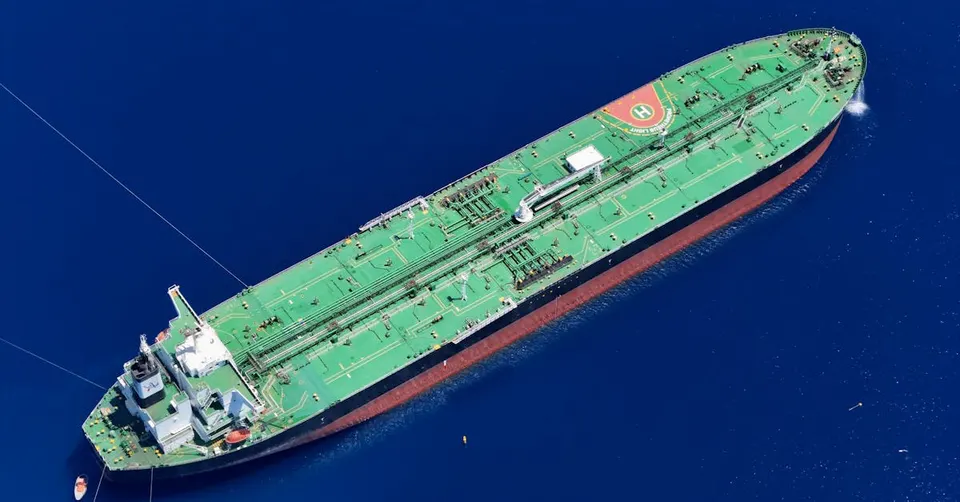
Iran’s Foreign Ministry has fired back, with spokesperson Esmaeil Baqaei accusing Trump of admitting to "piracy" regarding US actions against international shipping. This war of words is more than just rhetoric; it impacts global energy security. While China has recently "flipped the switch" to resume some fuel exports to alleviate Asian shortages, the overall disruption in the Persian Gulf keeps energy prices volatile. For the average Iranian, this translates to sustained pressure on the national budget and continued difficulty in accessing international markets for essential goods.
Speculation vs. Reality: The Crypto and Tech Landscape
A new report from Reuters has put the Iranian crypto exchange Nobitex under the spotlight, alleging ties between its founders and elite political families. The report claims hundreds of millions of dollars in transactions tied to sanctioned entities have moved through the platform. This comes at a time when Bitcoin’s 20% surge in April is being labeled as "speculative" by firms like CryptoQuant. They warn that while the price looks healthy at $78,232, the lack of spot demand means a sharp correction could be on the horizon.
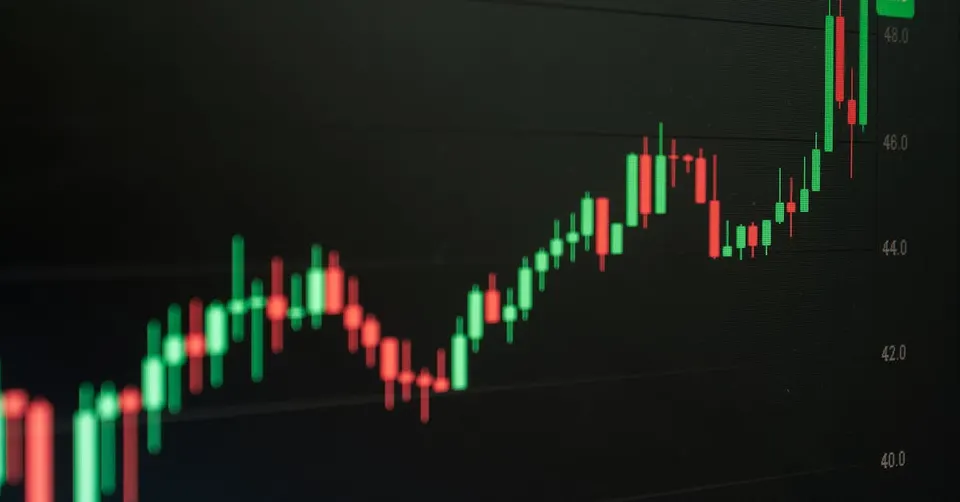
For local traders, the combination of international regulatory scrutiny on local exchanges and the speculative nature of the global rally creates a double-edged sword. If a correction hits the global market just as local platforms face increased pressure, Iranian crypto holders could find themselves in a liquidity trap. Navigating the next few weeks will require a cautious approach, focusing on cold storage and avoiding high-leverage positions while the geopolitical dust settles.
Frequently Asked Questions
What was in the 14-point peace proposal sent by Iran?
Why is the Emami coin rising while the USD remains stable?
What is the 'War Powers Resolution' deadline Trump faces?
How Cryptocurrencies Enable Sanctions Evasion
In recent years, Iran has turned to digital assets as a way to sidestep the crippling U.S. sanctions that restrict its ability to engage in traditional banking and trade. By converting oil revenues and other state income into cryptocurrencies such as Bitcoin or locally issued tokens like the Emami coin, Iranian actors can move value across borders without relying on the SWIFT system, which is tightly monitored by sanctions‑enforcing agencies. This method exploits the pseudonymous nature of blockchain transactions, making it harder for regulators to trace the ultimate beneficiaries.
The process typically involves a series of “mixers” or decentralized exchanges that obscure the origin of funds. Once the crypto is in a wallet, it can be sold on platforms that are either unregulated or located in jurisdictions with lax enforcement, such as the Iranian‑based exchange Nobitex. Reports from Reuters have highlighted how Iranian entities have used such platforms to convert large sums of crypto back into fiat currency, effectively laundering the proceeds of sanctioned activities.
While cryptocurrencies offer a veneer of anonymity, they are not immune to detection. Advanced blockchain analytics firms can trace transaction patterns, and governments have begun imposing their own compliance requirements on crypto exchanges. The U.S. Treasury’s Office of Foreign Assets Control (OFAC) has issued guidance warning that dealing with sanctioned parties via crypto can still constitute a violation, and penalties have been levied against individuals and firms that ignore these rules.
Understanding the interplay between sanctions and crypto is crucial for policymakers, investors, and anyone interested in the evolving landscape of international finance. As digital assets become more mainstream, the tools for both evasion and enforcement will continue to evolve, shaping the future of geopolitical economic warfare.