Iran's Inflation Soars Past 50% Amid Naval Blockade; Bitcoin Eyes $80K as Global Tensions Simmer
تورم ایران از ۵۰ درصد فراتر رفت؛ بیتکوین در آستانه ۸۰ هزار دلار و تشدید تنشهای جهانی
Iran is grappling with inflation soaring past 50%, a direct consequence of a US naval blockade severely impacting oil exports and driving up everyday costs. Meanwhile, geopolitical tensions remain high as a new Iranian peace proposal is examined amidst US skepticism. In crypto markets, Bitcoin is targeting $80,000, fueled by regulatory progress and a buoyant S&P 500, even as global political sensitivities persist.
At time of publishing
USD
187,000
Toman
Gold 18K
20.98M
Toman / gram
Bitcoin
$78,421
US Dollar
Tether
18,700
Toman
Iran's Inflation Surges Past 50% Amidst Naval Blockade
Iran is currently grappling with inflation surging past the 50% mark, a critical economic indicator that paints a grim picture for the nation. This dramatic rise in the cost of living is largely attributed to a persistent US naval blockade, which has severely hampered Iran’s crucial oil exports, a primary source of government revenue and foreign currency. As a direct consequence, the cost of everyday goods continues its upward trajectory, pushing many households to the brink and leading to an anticipated wave of job losses across various sectors.
The ongoing US naval blockade acts as a chokehold on Iran's economy, drastically reducing its ability to sell oil on international markets. This not only starves the government of much-needed foreign exchange but also creates a cascade of economic challenges domestically. With fewer dollars entering the economy, the value of the Iranian Toman depreciates, making imports more expensive and fueling the inflationary spiral. The market reaction is immediate and visible; the USD has seen a significant jump against the Toman, moving from 184,000 to 187,000 (+1.6%) in just 24 hours, signaling a clear loss of confidence in the local currency.
For the average Iranian citizen, this inflationary surge translates directly into a painful erosion of purchasing power. Savings diminish in value, and the struggle to afford basic necessities intensifies. The flight to safe-haven assets is evident, with Gold 18k/gram rising from 20,669,698 to 20,981,116 Toman (+1.5%) and the Emami coin increasing from 203,000,000 to 206,000,000 Toman (+1.5%) over the last 24 hours. This trend underscores a broader public concern about economic stability and future prospects, as individuals seek to protect their wealth against the backdrop of an increasingly uncertain economic landscape.
Iran Peace Proposal Meets US Skepticism as Tensions Escalate
Tensions between Iran and the United States are reportedly on a knife-edge, with a senior Iranian officer recently stating that fresh fighting is "likely." This comes after President Donald Trump reportedly dismissed Tehran’s latest negotiating proposal aimed at de-escalating the conflict, issuing renewed threats against the country. While a new Iranian proposal to end the war is said to be under examination, the public rhetoric suggests a wide chasm between the two sides, making any immediate breakthrough seem remote.
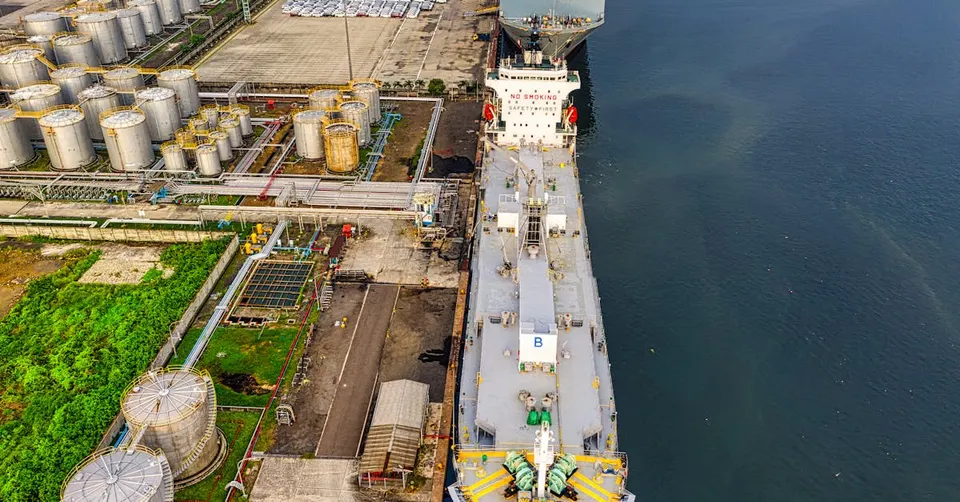
The rejection of Iran's peace overtures by the US, coupled with President Trump's strong stance, underscores a fundamental lack of trust and a deep-seated disagreement on the path forward. This diplomatic impasse is exacerbated by the existing pressures, such as the US naval blockade mentioned previously, which Iran views as an act of economic warfare. The cycle of threats and counter-threats creates a highly volatile environment, where even minor incidents could trigger a significant escalation, impacting not just regional players but global energy markets and shipping lanes.
This persistent geopolitical friction has profound implications for regional stability and the global economy. For Iranian citizens and businesses, it translates into continued uncertainty, impacting investment decisions, trade, and overall economic confidence. The specter of conflict further isolates Iran economically, reinforcing the need for reliance on domestic resources and alternative trade partners. This environment often drives demand for stable foreign currencies like the USD and tangible assets like gold, as a hedge against potential further instability and economic shocks.
Nobel Laureate Narges Mohammadi Hospitalised Amid Health Concerns
Iran's imprisoned Nobel Peace Prize laureate, Narges Mohammadi, has been urgently transferred from Evin prison to a hospital following a severe deterioration in her health. Reports indicate she fainted twice on Friday, adding to concerns that have mounted since a suspected heart attack in late March. Her foundation has described her condition as critical, drawing renewed international attention to her plight and the conditions faced by political prisoners in Iran.
Mohammadi's deteriorating health in state custody brings a sharp focus back to Iran's human rights record, particularly the treatment of political prisoners and dissidents. Her incarceration and the circumstances surrounding her health raise questions about access to adequate medical care and the broader conditions within Iranian prisons. Mohammadi was awarded the Nobel Peace Prize in 2023 for her unwavering fight against the oppression of women in Iran and her advocacy for human rights and freedom, making her a globally recognized symbol of resistance.
This incident is likely to intensify international pressure on the Iranian government from human rights organizations, Western governments, and the United Nations. Such pressure, while primarily humanitarian, can have diplomatic and even economic repercussions, potentially influencing international relations and investment sentiment towards Iran. Domestically, events like this often galvanize public sentiment, highlighting the deep social and political fissures within the country and serving as a stark reminder of the challenges faced by those who advocate for change.
Bitcoin Surges Towards $80,000 as Global Markets Eye Stability
Bitcoin is currently showcasing robust upward momentum, with analysts now targeting the $80,000 mark. This optimistic outlook is largely fueled by recent positive regulatory developments across various jurisdictions, which are beginning to provide much-needed clarity for institutional investors. Concurrently, the broader financial markets are reflecting a "risk-on" sentiment, with the S&P 500 hitting new record highs, further bolstering confidence in higher-growth assets like cryptocurrencies.
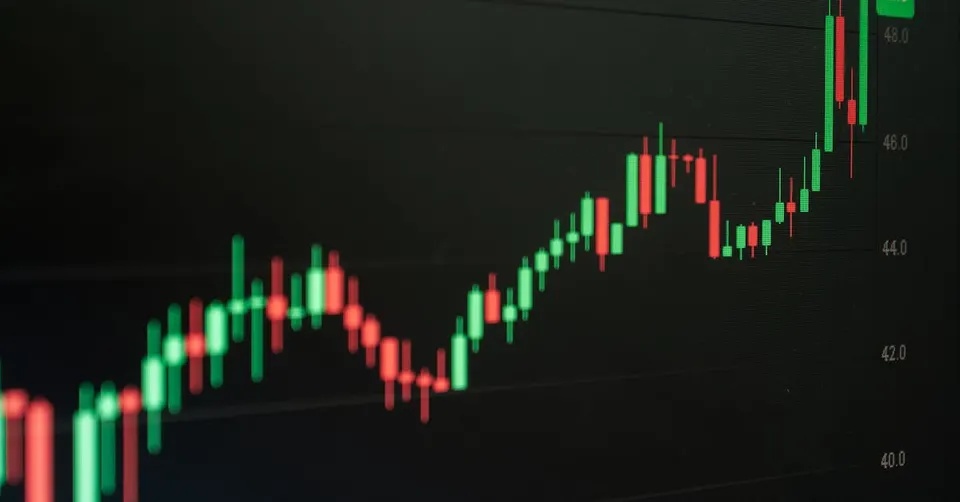
The increasing regulatory acceptance and the development of clearer frameworks for digital assets are crucial for attracting mainstream capital. As traditional financial institutions gain confidence in the legal and operational aspects of crypto, more significant investments flow into the market, driving prices upwards. The strong performance of equity markets, particularly the S&P 500, indicates a generally healthy global economic outlook and a willingness among investors to take on more risk, a sentiment that typically benefits the crypto sector. This positive environment for Bitcoin is also seen influencing stablecoins like USDT, currently trading at 18,700 Toman, as overall crypto demand increases.
For investors in the crypto space, this signals a potentially sustained bull run for Bitcoin and the wider digital asset market. The convergence of regulatory progress and strong traditional market performance creates a compelling narrative for further growth. However, it's also important to acknowledge underlying geopolitical currents that can introduce volatility. For instance, recent debates in the UK regarding protest language, specifically the "globalise the intifada" chant, underscore broader global political sensitivities. While seemingly distant from crypto, such geopolitical frictions can impact overall risk appetite, potentially leading to sudden market corrections or a flight to stable assets, reminding investors of the interconnectedness of global events with even the most nascent financial markets.
Watch
Inflation surging past 50% in Iran • FRANCE 24 English
FRANCE 24 English
Frequently Asked Questions
What is driving the current inflation surge in Iran?
How have Iranian markets reacted to the inflation and geopolitical tensions?
What is the significance of Narges Mohammadi's hospitalization?
What factors are pushing Bitcoin towards the $80,000 mark?
How do global geopolitical sensitivities, like the UK protest debates, affect crypto markets?
The Economic Impact of Sanctions: Inflation and Currency Collapse
Economic sanctions are powerful foreign policy tools employed by countries or international bodies to pressure target states into changing their behavior, often in areas like human rights, nuclear proliferation, or regional stability. These measures typically involve restricting trade, financial transactions, or access to international markets. In the case of Iran, extensive sanctions, including those targeting its vital oil exports and financial system, have been a persistent feature of its economic landscape, exacerbating domestic vulnerabilities and contributing to significant economic challenges.
The primary mechanism through which sanctions impact an economy is by severely limiting its ability to earn foreign currency, particularly U.S. dollars, which are crucial for international trade. By restricting oil sales, blocking access to global banking networks, and deterring foreign investment, sanctions choke off a nation's main sources of hard currency. This scarcity makes it difficult and expensive to import essential goods, raw materials, and machinery, leading to shortages and increased production costs for domestic industries.
Consequently, this reduction in supply and increased cost of imports directly fuels inflation. With fewer goods available and a higher price tag on imported components, domestic prices rise across the board. Simultaneously, the scarcity of foreign currency strengthens the demand for stable foreign denominations, like the U.S. dollar, while diminishing confidence in the local currency. This imbalance leads to a rapid depreciation of the national currency (like the Iranian Toman), further amplifying imported inflation and eroding the purchasing power of citizens. The combination of these factors can create a vicious cycle of soaring prices and a weakening currency, as seen in Iran's struggle with high inflation and a volatile exchange rate.
The situation often compels citizens and businesses to seek alternative stores of value to protect their wealth from inflation and currency depreciation. This can manifest as increased demand for physical assets like gold (e.g., Emami coins in Iran) or, more recently, cryptocurrencies like Bitcoin, which operate outside traditional banking systems and can offer a perceived hedge against local economic instability. This flight to alternative assets further signals a lack of confidence in the national economy and its currency.