Trump Doubts Iran Peace Deal, Citing Unpaid Price; Toman & Gold Rise Amid Uncertainty
تردید ترامپ درباره توافق صلح با ایران: 'تهران بهای کافی نپرداخته است'؛ رشد تومان و طلا در بحبوحه عدم قطعیت
Former President Trump has cast significant doubt on a new Iranian peace proposal, stating Tehran has not 'paid a big enough price,' igniting fears of renewed tensions. This skepticism immediately impacted Iranian markets, with the USD/IRR exchange rate, gold, and Emami coin all seeing notable increases. Meanwhile, diplomatic efforts continue in the region, and global conflicts escalate, further shaping economic outlooks.
At time of publishing
USD
187,000
Toman
Gold 18K
20.88M
Toman / gram
Bitcoin
$78,768
US Dollar
Tether
18,708.3
Toman
Trump Casts Doubt on Iran Peace Deal, Citing Unpaid Price
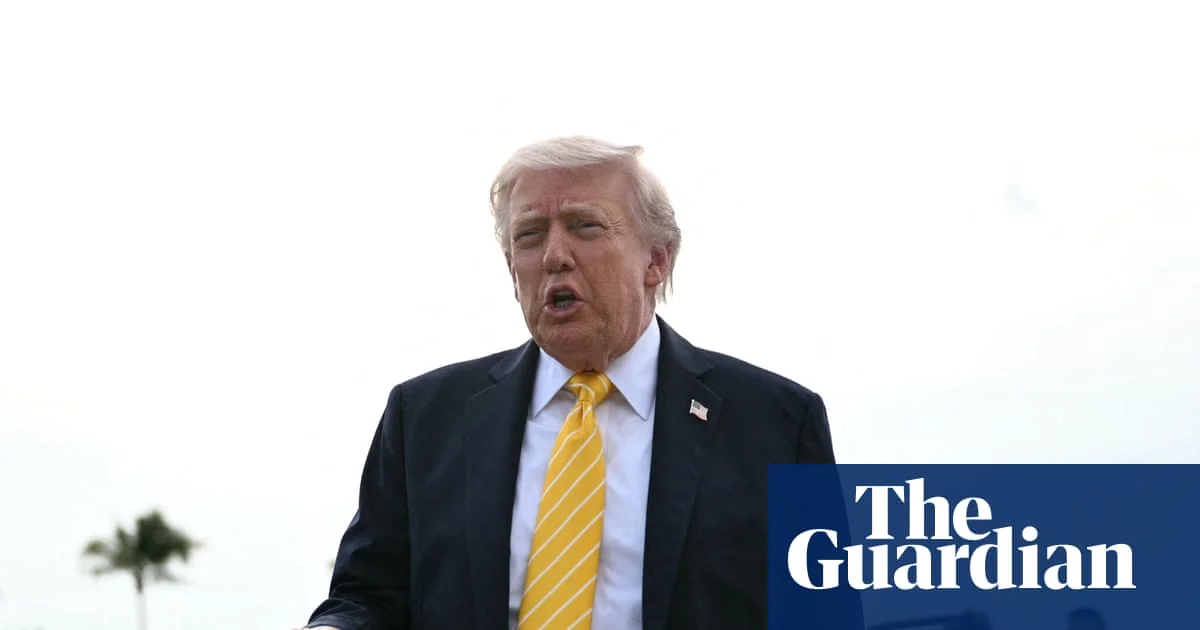
Former US President Donald Trump has cast a long shadow over any immediate prospects for a diplomatic breakthrough with Iran, publicly expressing deep skepticism regarding Tehran's recently submitted 14-point peace proposal. Trump, whose administration previously withdrew from the Iran nuclear deal, stated unequivocally that Iran has "not yet paid a big enough price" for its past actions, suggesting he finds the current terms insufficient. These remarks, reported by both The Guardian and France 24, come at a particularly sensitive time, fueling speculation about potential renewed US pressure tactics, including the possibility of further military strikes aimed at compelling Iran to make concessions, especially concerning its nuclear program.
Trump's comments carry significant weight due to his potential return to the presidency and his established hawkish stance towards Iran. His skepticism directly undermines the efforts of mediators and those advocating for a diplomatic resolution, pushing the narrative towards confrontation rather than negotiation. This rhetoric is designed to maintain pressure on Tehran, but it also creates considerable uncertainty, exacerbating regional tensions and influencing global perceptions of stability in the Middle East. The implied threat of military action or renewed, harsher sanctions immediately puts markets on edge, reflecting the interconnectedness of geopolitics and economic confidence.
For the Iranian populace and the broader economy, Trump's statements translate into continued, perhaps even heightened, economic and political instability. The prospect of an enduring deadlock or escalating tensions directly impacts expectations for currency stability, trade opportunities, and overall investor confidence. In a tangible reflection of this uncertainty, the Iranian Toman saw a significant shift against the US Dollar, moving from 184,000 to 187,000, marking a +1.6% increase in the USD/IRR exchange rate over the last 24 hours. Similarly, the price of Gold 18k/gram rose from 20,669,698 to 20,881,157 Toman (+1.0%), and the Emami coin, a key domestic investment vehicle, climbed from 203,000,000 to 206,000,000 Toman (+1.5%). These immediate market reactions underscore how deeply intertwined political pronouncements from major global players are with the daily economic realities faced by Iranian citizens, reflecting anxieties about future sanctions or regional instability.
Iranian and Omani Diplomats Discuss Regional Developments
Amidst the swirling geopolitical currents and the recent skepticism voiced by former US President Trump, Iranian Foreign Minister Abbas Araghchi engaged in a crucial telephone conversation with his Omani counterpart, Sayyid Badr bin Hamad Al Busaidi. Their discussion, as reported by IRNA, focused on a comprehensive review of bilateral relations between Tehran and Muscat, alongside an assessment of the most recent and pressing developments across the broader regional landscape. Such diplomatic exchanges are a regular feature of Middle Eastern statecraft but gain particular significance during periods of heightened international tension.
Oman has historically carved out a unique and valued role as a discreet mediator in the often-turbulent relationship between Iran and Western powers, particularly the United States. In times when public rhetoric from major global players leans towards confrontation, these quiet diplomatic channels become even more vital. The call signals an ongoing commitment from both nations to maintain open lines of communication and potentially explore avenues for de-escalation or conflict management, even when official peace proposals face considerable headwinds. It underscores the multi-layered nature of regional diplomacy, where formal and informal efforts proceed concurrently.
This sustained diplomatic engagement suggests that despite the tough talk emanating from Washington, there are active and persistent efforts within the region to foster stability and mitigate potential conflicts. For Iran, nurturing strong and reliable relationships with its regional neighbors, especially those like Oman known for their neutrality and mediating capabilities, is strategically crucial. Such ties not only bolster Iran's diplomatic standing but also offer potential lifelines for trade and economic cooperation, particularly if international sanctions were to be intensified. It highlights the complex interplay of regional alliances and independent diplomatic initiatives that persist alongside broader international pressures, providing a counterbalance to purely confrontational narratives.
UN Special Envoy Warns Against ‘Israelization’ of Europe
Francesca Albanese, the United Nations Special Rapporteur on the Occupied Palestinian Territories, has issued a stark warning regarding what she terms the "Israelization" of Europe. In her statement, reported by IRNA, Albanese critically assessed the continued ties maintained by some European countries with Tel Aviv, suggesting that such relationships might be leading to an adoption of policies or perspectives that could undermine fundamental international human rights principles or established international law within Europe itself. Her remarks represent a significant intervention in the ongoing debate about the international community's approach to the Israeli-Palestinian conflict.
Albanese's use of the provocative term "Israelization" is intended to draw attention to a perceived trend where European nations, through their diplomatic and political engagements, might inadvertently or intentionally be aligning themselves with practices or policies that have been criticized for their impact on human rights in the Occupied Palestinian Territories. Her warning reflects a growing concern within certain international bodies about the erosion of universal human rights standards and the potential for selective application of international law, particularly in a region as contentious as the Middle East. It pushes for a re-evaluation of European foreign policy vis-à-vis the conflict.
While primarily directed at European policy, this statement resonates deeply and significantly throughout the Middle East, and particularly in Iran, where the Palestinian cause occupies a central position in both its foreign policy and public discourse. Such international criticism from a UN official reinforces existing narratives within Iran about regional injustices and the imperative for diplomatic solutions that strictly adhere to international law and human rights principles. This perspective further shapes public opinion, influences domestic policy discussions, and informs Iran's broader regional strategy, emphasizing solidarity with the Palestinian cause and challenging what it perceives as biased international approaches.
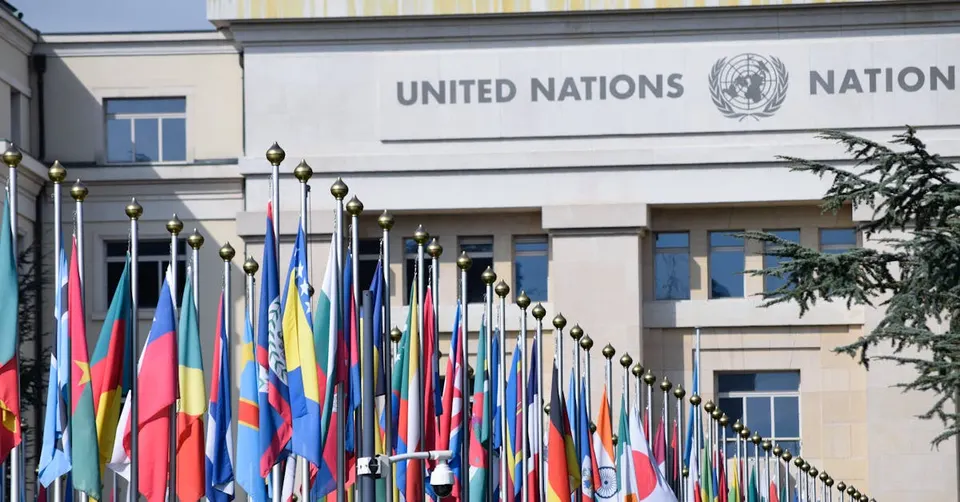
Russian Strikes Kill 10 as Ukraine Hits Oil Tankers and Terminal
The conflict in Ukraine has seen another significant escalation, with reports from BBC World confirming that Russian strikes have tragically resulted in 10 fatalities across various locations in Ukraine. Concurrently, Ukrainian President Volodymyr Zelensky announced a retaliatory offensive, stating that Ukrainian forces successfully targeted and struck Russian "shadow fleet" oil tankers and a critical oil terminal. These actions signify a broadening of the conflict's scope to include strategic energy infrastructure, indicating a new phase in the ongoing hostilities.
This latest intensification of hostilities carries substantial implications for both the immediate battlefield and the wider global energy markets. Ukraine's targeting of Russia's "shadow fleet" and oil terminals is a deliberate strategic move aimed at disrupting Russia's capacity to finance its war effort by attacking its lucrative oil exports, which often circumvent international sanctions. Conversely, Russia's continued strikes on Ukrainian territory underscore its resolve and the brutal nature of the conflict. The direct targeting of energy supply chains introduces a new layer of risk and volatility to an already fragile global economy.
For the global economy, particularly for nations heavily reliant on stable energy supplies or those, like Iran, navigating complex sanctions regimes, the disruption of oil supply chains and the heightened risks associated with maritime transport can have profound effects. Increased instability in the Black Sea region and the targeting of oil assets can lead to spikes in global oil prices, increased shipping insurance premiums, and broader market uncertainty. While Iran's own oil exports operate under unique geopolitical constraints, any major volatility in global energy markets stemming from the Ukraine war inevitably influences its economic calculations, trade strategies, and the overall risk appetite of international partners. This protracted conflict remains a primary source of global geopolitical and economic instability.
U.S. to Withdraw 5,000 Troops From Germany
In a notable adjustment to its long-standing military posture in Europe, the United States has announced its intention to withdraw 5,000 troops from Germany. While this represents a significant reduction in personnel, the New York Times World report emphasized that thousands of American troops will nonetheless remain stationed in the country, indicating a recalibration rather than a complete disengagement. This decision follows a period of strategic review within the Pentagon and reflects evolving global defense priorities.
This troop withdrawal is likely part of a broader strategic re-evaluation by the U.S. government regarding its global force distribution. Potential motivations include a strategic pivot towards other critical regions, such as the Indo-Pacific, where China's influence is growing, or a move to incentivize NATO allies, particularly Germany, to increase their own defense spending and contributions to collective security. While a reduction of 5,000 troops is substantial, the continued presence of a significant contingent underscores America's enduring, albeit revised, commitment to European security and its role within the NATO alliance.
For the global geopolitical landscape, this reallocation of American military assets signals a potential redistribution of U.S. power and influence, prompting allies and adversaries alike to reconsider their strategic positions. It could compel European nations, most notably Germany, to undertake a more robust assessment of their indigenous defense capabilities and their contributions to regional and international security frameworks. For countries like Iran, observing such shifts provides crucial insights into the evolving power dynamics and strategic focus of major global players. This information is vital for informing their own foreign policy calculations, regional security assessments, and understanding the broader trajectory of international relations.

Watch
US President Trump says not likely to accept Iranian proposal • FRANCE 24 English
FRANCE 24 English
Frequently Asked Questions
What specifically did Trump say about the Iranian peace proposal?
How did Iranian markets react to Trump's comments?
What is the significance of the phone call between Iranian and Omani diplomats?
What does the UN Special Rapporteur mean by 'Israelization' of Europe?
How do the Ukraine conflict developments impact global markets?
Safe Haven Assets: Why Gold and Foreign Currency Rise Amid Uncertainty
In times of geopolitical turmoil or economic instability, investors and individuals often seek out "safe haven assets." These are investments that are expected to retain or even increase in value during periods of market turbulence, offering a refuge from the storm. Their appeal lies in their perceived reliability and ability to preserve wealth when other assets are declining.
Gold is the quintessential safe haven asset, with a history spanning millennia. Its value is not tied to any single government or corporation, making it a universal store of value. During periods of high inflation, currency devaluation, or political uncertainty – such as the doubts surrounding an Iran peace deal and ongoing sanctions – demand for gold typically surges. This is evident in markets like Iran, where local gold coins like the Emami coin often see increased demand as people try to protect their savings.
Beyond gold, certain strong and stable foreign currencies, like the U.S. dollar, also function as safe havens. When a local currency, such as the Iranian Toman (or Rial), faces depreciation due to sanctions, economic pressures, or geopolitical risks, individuals often convert their savings into these stronger foreign currencies. This increased demand for foreign exchange further exacerbates the local currency's decline, creating a vicious cycle where uncertainty drives demand for safe havens, which in turn highlights the weakness of the local currency.
The situation described in the headline – "Toman & Gold Rise Amid Uncertainty" – perfectly illustrates this phenomenon. Trump's skepticism about a peace deal signals continued geopolitical tension and the potential for prolonged sanctions, eroding confidence in Iran's economic outlook. Consequently, Iranians turn to tangible assets like gold and stable foreign currencies to safeguard their purchasing power against potential inflation and further devaluation of the Toman, demonstrating a practical application of the safe haven principle in a challenging economic environment.