Lebanon Strikes Ignite Toman Surge: USD Hits 187,500 as 'Hormuz Hike' Fears Grip Global Markets
جهش قیمت دلار در پی درگیریهای لبنان؛ «شوک هرمز» بازار طلا و ارز تهران را تکان داد
Fresh Israeli strikes in Southern Lebanon have shattered ceasefire hopes, driving the USD/IRR exchange rate up by 1.9% within hours. Meanwhile, global economists warn of a 'Hormuz hike' as central banks prepare for energy-driven inflation.
At time of publishing
USD
187,500
Toman
Gold 18K
20.94M
Toman / gram
Bitcoin
$78,691
US Dollar
Tether
18,712.5
Toman
Lebanon Ceasefire Strains as Strikes Hit Nabatieh
The fragile peace in Southern Lebanon is once again under immense pressure as Israeli air strikes targeted several villages, including the city of Nabatieh, earlier today. Despite a ceasefire agreement signed just last month, the Israel Defense Forces (IDF) issued urgent evacuation orders, citing repeated violations by the Iran-backed Hezbollah. These strikes resulted in at least one fatality and several injuries among rescuers, signaling a dangerous breakdown in the diplomatic efforts to stabilize the border. The persistence of conflict in this region continues to inject a high degree of volatility into Middle Eastern markets, as investors remain wary of a wider regional conflagration that could draw in larger powers.
For Iranian residents, the immediate impact of this renewed violence was felt in the currency markets. As news of the strikes broke, the US Dollar in Tehran’s open market climbed from 184,000 to 187,500 Toman, a sharp 1.9% increase within 24 hours. This "war premium" is not merely a reaction to the local skirmishes but reflects a broader fear that the ceasefire's failure will lead to prolonged instability. Gold prices followed suit, with 18k gold rising 1.3% to reach 20,936,793 Toman per gram. When the regional security architecture trembles, the Toman is often the first to feel the shock, as capital seeks the safety of hard currency and precious metals.
The 'Hormuz Hike': Global Banks React to Regional Turmoil
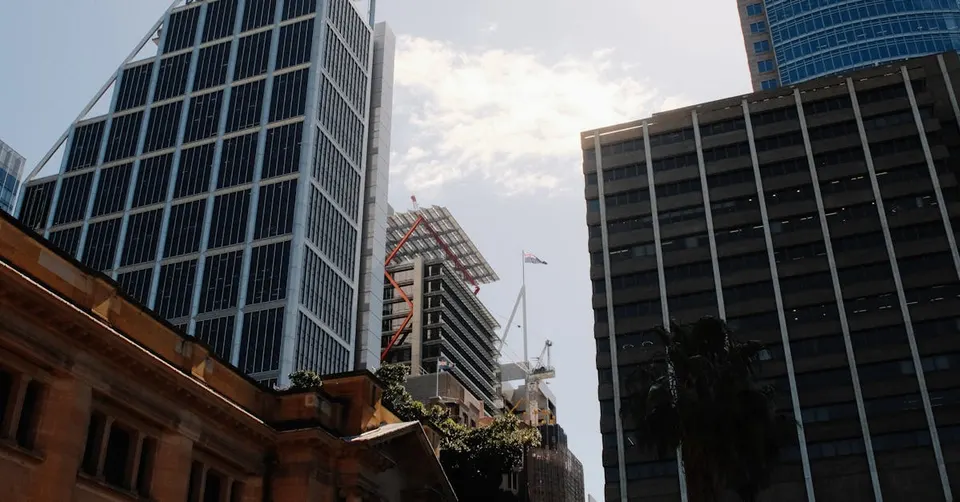
The economic ripples of Middle Eastern instability have reached as far as Australia, where economists are now predicting a "Hormuz hike" in interest rates. The Reserve Bank of Australia (RBA) is widely expected to deliver its third consecutive rate increase this week, a move driven largely by the surging price of oil. While central banks typically cannot control energy costs through domestic policy, the persistent inflationary pressure caused by the potential closure or disruption of the Strait of Hormuz has forced their hand. This highlights a critical reality for the global economy in 2026: regional bottlenecks in the Persian Gulf are no longer just a "local" problem but a primary driver of global monetary tightening.
This global context explains why the Iranian market is reacting so aggressively. If international banks like the RBA are bracing for sustained high energy prices and supply chain disruptions, the internal inflation in Iran—already exacerbated by sanctions—is likely to accelerate. The 1.5% jump in the Emami coin to 206,000,000 Toman today is a testament to this domestic anxiety. Investors are looking at the global stage and seeing that the "Hormuz factor" is being baked into interest rate models from Sydney to New York, leaving little room for optimism regarding a stabilized Toman in the near term.

Political Defiance and Humanitarian Concerns
In Tehran, the political rhetoric has sharpened in response to threats from the United States. Ali Akbar Velayati, a senior advisor to the Leader of the Islamic Revolution, recently ridiculed President Donald Trump for his perceived lack of understanding regarding political economy. This comes after Trump suggested that Iran could face famine if it did not comply with specific US demands. Velayati’s dismissal of these threats as "ignorant" suggests that the Iranian leadership is doubling down on its resistance strategy, betting that the global reliance on energy routes will prevent the US from enacting its most extreme economic threats. This verbal sparring adds another layer of uncertainty to the market, as it indicates a widening gap between the two nations' diplomatic positions.
Simultaneously, a humanitarian crisis is brewing that could further complicate Iran's international standing. Family members of the jailed Nobel laureate Narges Mohammadi have expressed grave fears that she is dying following a sharp deterioration in her health. Her transfer from prison to a local hospital has sparked renewed calls for her release from international bodies. For the average Iranian citizen, these developments create a dual-pressure environment: the external pressure of sanctions and geopolitical threats, and the internal pressure of human rights concerns that often trigger further international sanctions or diplomatic isolation.
Shifting Geopolitics: From the Vatican to Yerevan
While the Middle East remains a flashpoint, other significant geopolitical shifts are occurring elsewhere. US Secretary of State Marco Rubio is reportedly scheduled to meet with Pope Leo XIV in Rome this week. This meeting is seen as an attempt to mend fences after the Trump administration’s public disagreements with the Holy See over anti-war rhetoric. For Iranian observers, the US-Vatican relationship is more than a religious matter; it represents the internal friction within Western alliances regarding how to handle global conflicts. If the US can align its "America First" policy with traditional moral authorities like the Papacy, it may consolidate its diplomatic leverage; if not, the fragmentation of the West could provide Iran with more room to maneuver.
Further north, Canada’s Prime Minister Mark Carney is making history by attending the European Political Community summit in Yerevan. This move signals Canada’s desire to build new trade and diplomatic alliances outside of the US sphere, which has become increasingly unpredictable under the current administration. As Canada seeks to distance itself from the volatility of US policy, it joins a growing list of nations looking for alternative economic networks. For Iran, any move toward a multi-polar world—where the US is not the sole arbiter of trade—is viewed as a potential strategic advantage, even as the immediate economic reality remains dominated by the strength of the US Dollar.
Watch
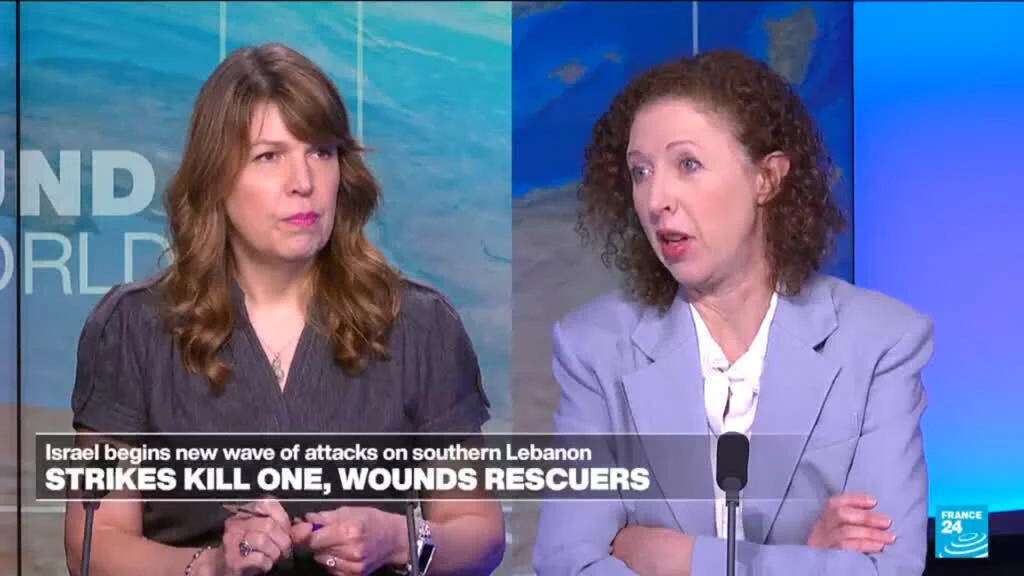
Southern Lebanon: Israeli strikes kill one, wounds rescuers • FRANCE 24 English
FRANCE 24 English
Frequently Asked Questions
Why is the Lebanese conflict affecting the Toman price so quickly?
What exactly is a 'Hormuz Hike' in economic terms?
How significant was the gold price movement today?
What is the strategic importance of Mark Carney’s visit to Yerevan?
Understanding the Strategic Importance of the Strait of Hormuz
The Strait of Hormuz is a narrow waterway between Oman and Iran that connects the Persian Gulf with the Gulf of Oman and the open ocean. Although it is only about 39 km (24 mi) wide at its narrowest point, it handles roughly 20% of the world’s petroleum liquids—about 21 million barrels per day—making it one of the most critical chokepoints for global energy supplies. Any disruption, whether from military conflict, piracy, or even a threatened closure, can instantly tighten oil markets and trigger sharp price spikes.
Because oil is priced in U.S. dollars, a supply shock in Hormuz reverberates through currency markets as well. Countries that rely heavily on oil imports, such as Lebanon, see their local currencies weaken against the dollar when oil prices jump, amplifying inflation and debt burdens. Iran, which faces U.S. sanctions, often experiences a dual impact: higher oil revenues from any price surge but also increased pressure on its own currency (the rial) as foreign exchange becomes scarcer.
The “Hormuz hike” fear referenced in financial headlines typically refers to the market’s anticipation of higher shipping costs or insurance premiums for tankers navigating the strait under heightened risk. Traders factor this into forward curves for crude, and the resulting price volatility can spill over into other assets, notably gold, which is seen as a safe‑haven during oil‑price turbulence. Central banks, such as Australia’s RBA, monitor these dynamics because oil price shocks can influence inflation expectations and thus monetary policy decisions.
Historically, the strait has been a flashpoint for geopolitical tension—most famously during the 1980s Iran–Iraq War and more recently in 2019 when Iran threatened to close the passage in response to sanctions. Each episode underscores how a narrow geographic corridor can wield outsized influence on global finance, commodity markets, and even the foreign‑exchange rates of distant economies like Lebanon.