Trump Signals Iran Breakthrough as Markets Rally; Gold Hits $4,665 Amid Deal Hopes
سیگنال مثبت ترامپ برای توافق با ایران؛ صعود طلا به مرز ۴۶۰۰ دلار همزمان با خوشبینی بازارها
Global markets are surging after US President Donald Trump hailed 'great progress' toward a final agreement with Tehran, leading to a pause in military escorts in the Strait of Hormuz. While oil prices retreat, gold has climbed to historic highs, reflecting a complex market sentiment of relief mixed with long-term inflation fears.
At time of publishing
USD
181,200
Toman
Gold 18K
20.46M
Toman / gram
Bitcoin
$81,441
US Dollar
Tether
18,050
Toman
Trump Pauses ‘Project Freedom’ as Iran Deal Hopes Surge
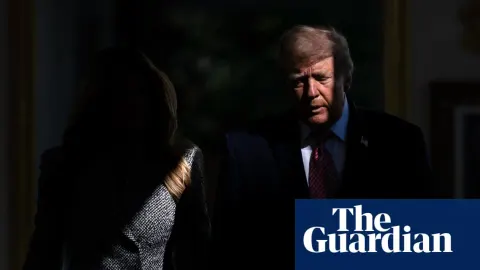
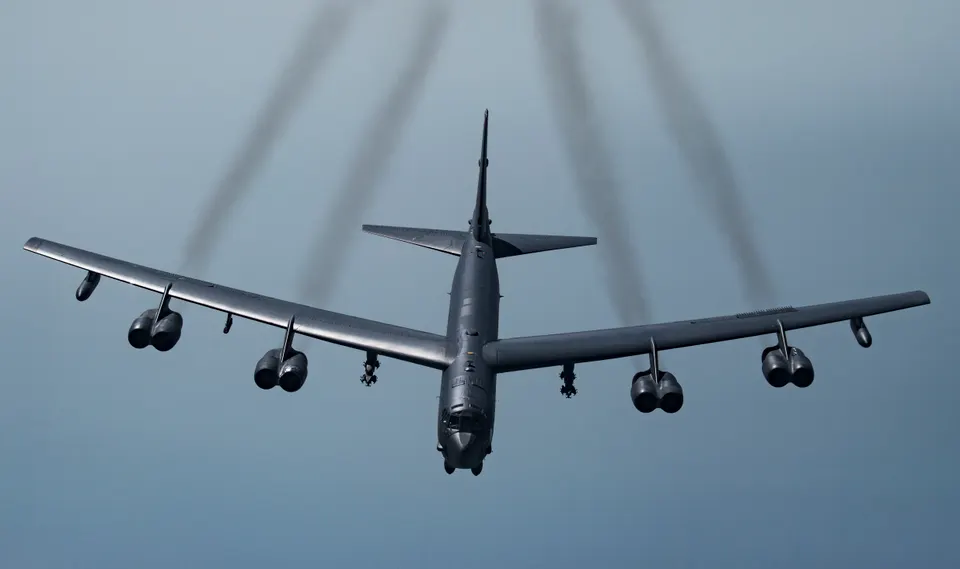
In a dramatic shift at 11:00 Tehran time, global markets are reacting to unexpected optimism regarding the long-standing standoff in the Persian Gulf. US President Donald Trump has officially paused 'Project Freedom'—the military operation tasking US vessels with escorting commercial tankers through the Strait of Hormuz. Trump cited "great progress" toward a final agreement with Tehran, a statement that has immediately cooled the geopolitical temperature. This move follows months of a naval blockade that had pushed energy prices to the brink and strained global supply chains.
For the Iranian economy, this pivot is a double-edged sword. While the prospect of a deal has stabilized the USD/IRR rate—moving slightly from 181,300 to 181,200 Toman (-0.1%)—it signals a potential reopening of trade routes that could eventually flood the market with foreign currency. However, the market remains cautious. The pause is described as "brief," and traders are waiting for concrete signatures before dismantling the risk premiums that have defined the 2026 fiscal year. The immediate impact was felt in London, where the FTSE 100 jumped 1.5%, driven by hopes that the energy crisis might finally be de-escalating.
Gold Hits Historic $4,665 as Global Inflation Fears Persist
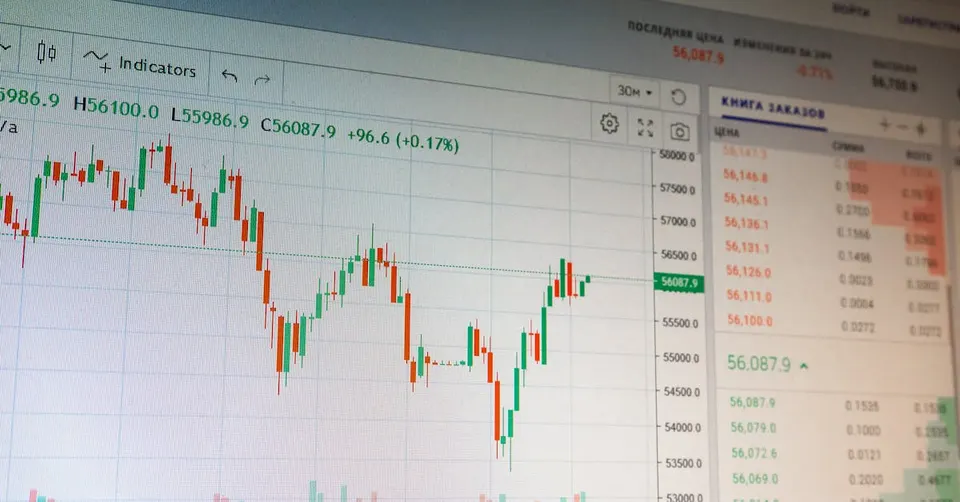
Despite the diplomatic thaw, the gold market is telling a different story. The global ounce price has surged to a staggering $4,665.50, driving the domestic price of 18k gold in Iran up by 2.2% to 20,456,392 Toman per gram. This divergence between easing geopolitical tensions and rising bullion prices suggests that investors are pivoting from "war hedging" to "inflation hedging." Even as the threat of a direct conflict recedes, the massive liquidity injected into global markets during the crisis continues to debase fiat currencies, making gold the ultimate safe haven.
In Tehran, the Emami coin rose 0.5% to 196,000,000 Toman, reflecting this domestic appetite for hard assets. While the US Dollar has remained relatively flat, the surge in gold indicates that Iranian savers do not yet fully trust the stability of the Toman or the permanence of the Trump-Iran detente. The high price of gold also reflects a broader trend seen in Australia and Europe, where central banks are struggling to contain inflation. As the shadow treasurer in Australia recently warned, government handouts and stimulus measures are fueling a fire that even a diplomatic breakthrough might not be able to extinguish.
OpenAI Trial: Brockman Claims Musk Threatened Physical Altercation
The tech world is currently transfixed by the second week of the high-stakes legal battle between Elon Musk and OpenAI. During his testimony, OpenAI President Greg Brockman made a startling claim, stating he believed Musk was "going to hit him" during a particularly heated confrontation over the company's direction. This trial, which pits Musk against Sam Altman and the core leadership of the AI giant, is exposing the deep ideological and personal fractures that occurred when OpenAI transitioned from a non-profit to a multi-billion-dollar commercial powerhouse.
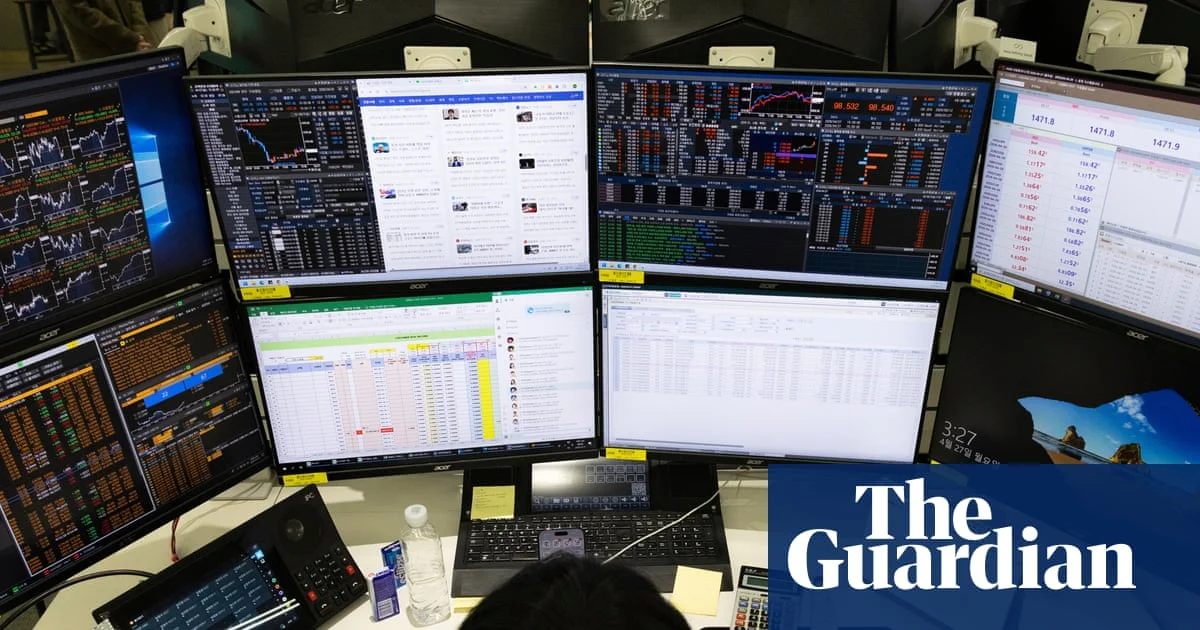
This legal drama is more than just Silicon Valley gossip; it has profound implications for the future of AI governance and investment. As AI-driven trading continues to propel global stocks to record highs, the stability of the industry's leaders is paramount. The trial highlights the risks of "founder-led" technological revolutions where personal animosities can threaten the strategic direction of companies valued in the hundreds of billions. For investors in Iran and abroad, the outcome could dictate how open-source versus closed-source AI models are regulated and funded in the coming decade.
Retail Giants Hike Prices as War Costs Trickle Down
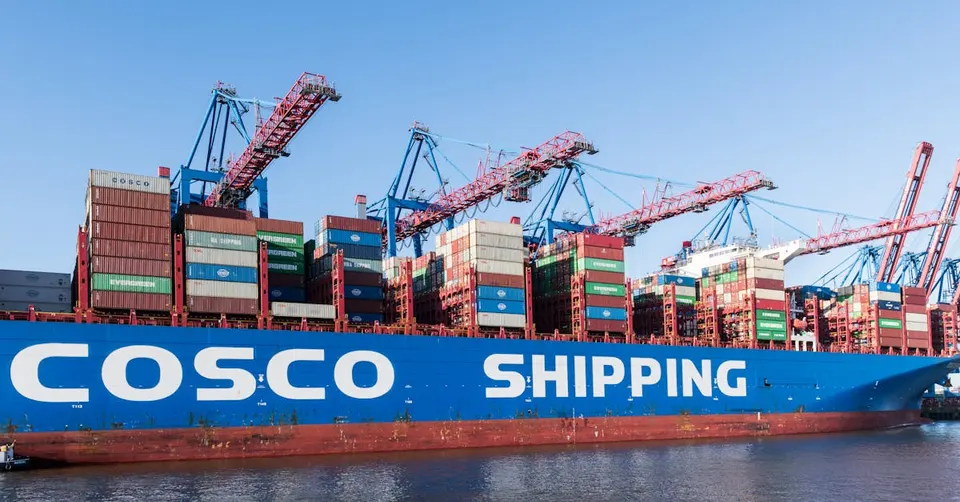
Even as peace talks begin, the economic damage of the recent months is being baked into consumer prices. The European retail giant 'Next' has announced it will hike prices by up to 8% outside of Europe, specifically citing the logistics and insurance costs incurred during the Iran-related maritime crisis. While the UK market remains relatively shielded for now, the global supply chain is still reeling from the increased freight rates and the necessity of rerouting ships around the Cape of Good Hope. This serves as a stark reminder that even if a deal is signed tomorrow, the inflationary pressure of the blockade will be felt by consumers for months to come.
This trend is mirrored in the global spirits market, where Diageo reported a surprise growth in sales despite weakness in the US. The resilience of high-end consumer goods suggests that while the middle class is squeezed by rising costs, luxury and vice sectors remain robust. For the Iranian market, this global price hike in imports means that even a stable Toman may not prevent a rise in the cost of living, as the "imported inflation" from global logistics remains a significant factor in domestic pricing strategies.
Watch
Trump says US to pause operation to guide vessels through Strait of Hormuz | BBC News
BBC News
Frequently Asked Questions
Why is gold rising if there is positive news about an Iran deal?
What does the pause of 'Project Freedom' mean for oil prices?
How is the OpenAI trial affecting the tech market?
Why are retail prices like 'Next' still rising if the crisis is easing?
Understanding the Geopolitical Risk Premium
The concept of a "Geopolitical Risk Premium" refers to the additional cost or volatility in asset prices—such as oil, gold, and currencies—that is directly attributable to political instability, conflict, or uncertainty in a specific geographical region. It's essentially a market reflection of fear and uncertainty, where investors demand higher returns or prices for assets perceived to be at risk, or flock to safe-haven assets.
Regions like the Middle East, particularly involving Iran and the critical Strait of Hormuz, frequently generate such premiums. The Strait of Hormuz is a vital choke point for global oil shipments; any threat of disruption to its passage instantly impacts global oil prices, which then ripples through the world economy. This perceived threat adds a premium to oil prices, reflecting the potential for supply shortages or increased transportation costs.
In the context of the headline, "deal hopes" suggest a potential reduction in this geopolitical risk premium. When the likelihood of conflict or sanctions easing diminishes, the perceived risk to global trade and stability decreases. This can lead to a rally in broader markets (as uncertainty lessens) but might see a drop in safe-haven assets like gold, which often rises during times of high geopolitical tension as investors seek a store of value. Conversely, heightened tensions would increase the premium, pushing gold prices up and potentially disrupting trade routes.
Beyond commodities, the USD/IRR exchange rate is highly sensitive to geopolitical developments concerning Iran. Sanctions relief or imposition directly affects Iran's ability to trade and earn foreign currency, impacting its economic stability and currency value. Furthermore, global inflation can be exacerbated by rising oil prices driven by geopolitical risk, as energy costs are a fundamental input for most goods and services worldwide.
Topics
Related Articles