Rubio Meets Pope Amid Iran Peace Talks; Oil Prices Dip on Deal Hopes
روبیو با پاپ دیدار کرد؛ امید به توافق ایران قیمت نفت را کاهش داد
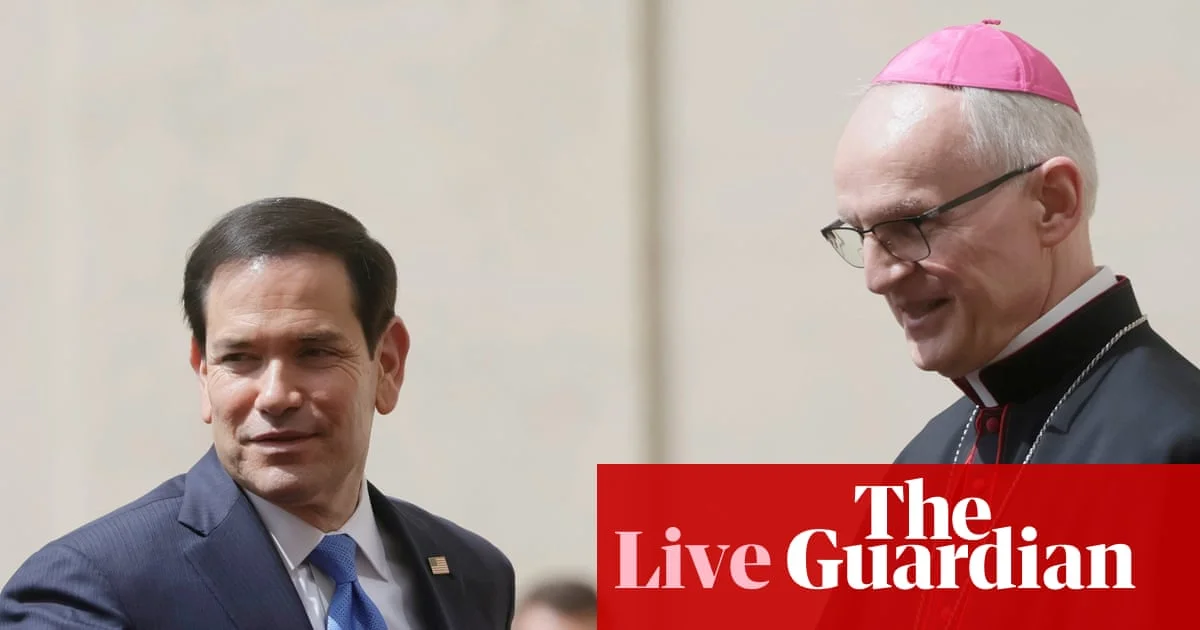
Senator Marco Rubio is meeting with Pope Leo in Vatican City, aiming to ease diplomatic tensions following President Trump's past criticisms of the pontiff. Meanwhile, global markets are reacting to mixed signals on a potential US-Iran peace deal, with Brent crude futures dipping below $100 per barrel as negotiations appear to progress.
At time of publishing
USD
176,400
Toman
Gold 18K
20.21M
Toman / gram
Bitcoin
$80,617
US Dollar
Tether
17,580.1
Toman
Rubio Seeks Vatican Diplomacy Amidst Transatlantic Tensions
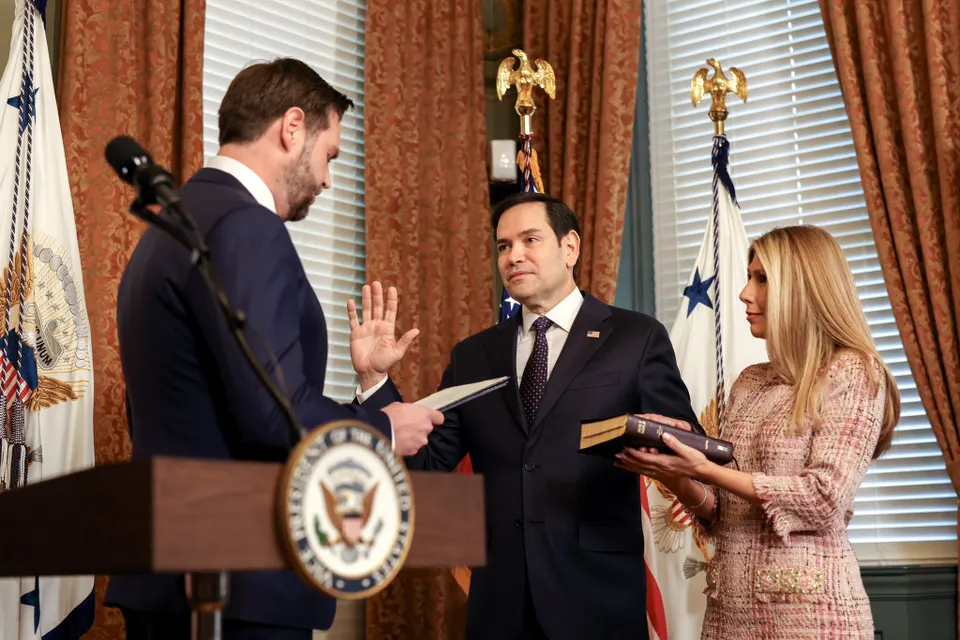
Senator Marco Rubio is undertaking a significant diplomatic mission to the Vatican today, seeking to mend relations between the United States and the Holy See. The meeting with Pope Leo comes at a critical juncture, following President Trump's earlier sharp criticisms of the pontiff. This outreach is seen as an effort to bridge a growing divide on key international issues, particularly concerning the ongoing conflict involving Iran. Pope Leo has been actively engaged in global diplomacy, recently hosting Poland's Prime Minister Donald Tusk, where discussions included the international order and European armament.
The purpose of Rubio's visit extends beyond personal diplomacy; it signals a broader US administration effort to leverage religious and moral authority on the world stage. With Iran at the center of complex geopolitical negotiations, the Vatican's unique position as a neutral, yet influential, mediator could prove invaluable. The discussions are expected to cover the war in Iran, the broader implications for regional stability, and the role of faith-based diplomacy in resolving intractable conflicts. The outcome of this meeting could influence the tone and trajectory of international efforts to de-escalate tensions.
---
Iran Peace Talks Advance, Fueling Oil Price Volatility
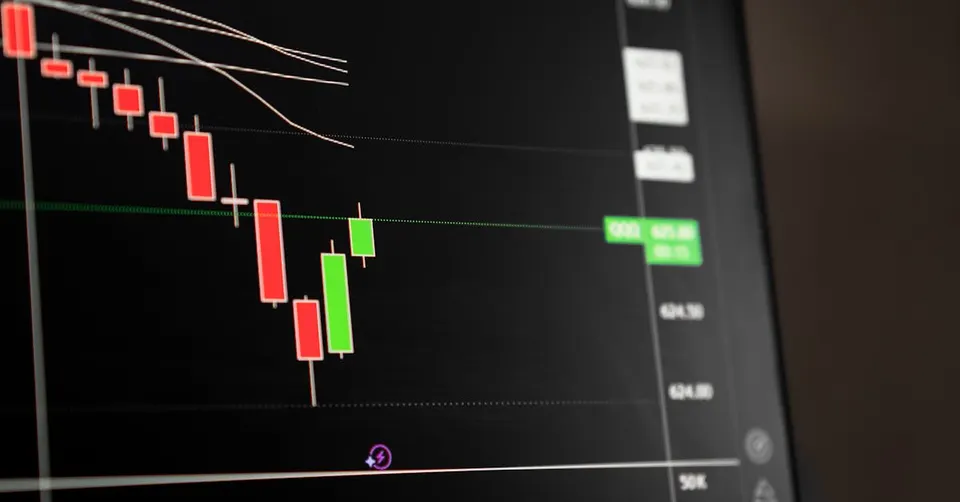
Global oil markets are experiencing significant fluctuations as the prospect of a US-Iran peace deal appears increasingly plausible, yet shrouded in uncertainty. Front-month Brent crude futures have dipped below $100 per barrel, reversing earlier gains, as traders weigh the potential for the Strait of Hormuz to reopen. This development follows a sharp sell-off on Wednesday, where prices plummeted by 7%, indicating extreme market sensitivity to any news regarding Iran.
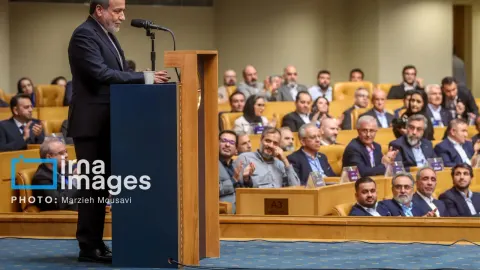
Iran has indicated that its response to a peace proposal will be conveyed through Pakistan, a key mediator. However, conflicting messages persist, with one Iranian official dismissing the reported proposal as a "list of American wishes" while another signals a willingness to review it. This ambiguity is causing market jitters. The potential reopening of the Strait of Hormuz, a critical chokepoint for global oil supply, is the primary driver behind the price volatility. Any agreement that eases tensions and ensures safe passage through the strait would likely lead to a sustained drop in oil prices, impacting energy producers and consumers worldwide.
---
Project Freedom Paused in Strait of Hormuz Amid Diplomatic Maneuvers
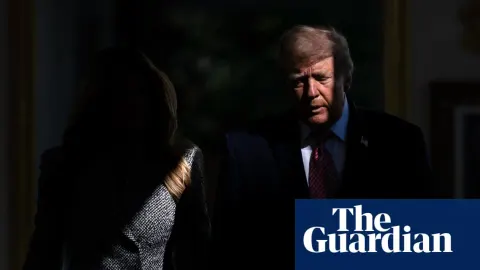
President Trump has unexpectedly ordered a pause on 'Project Freedom,' an American initiative aimed at assisting ships navigating the Strait of Hormuz. This move comes amidst heightened diplomatic activity surrounding Iran and a potential peace deal. The project's suspension raises questions about the administration's strategy in the region and its commitment to ensuring freedom of navigation in this vital waterway.
The Strait of Hormuz remains a critical chokepoint, with any disruption to shipping having significant global economic consequences, particularly for oil supply. The pause in 'Project Freedom' could be a tactical maneuver linked to the ongoing peace talks, signaling a willingness to de-escalate certain military actions as diplomatic channels are explored. Alternatively, it could reflect internal policy shifts or a reassessment of the initiative's effectiveness and risks.
---
Middle East Crisis Live: Iran Reviews Peace Proposal Amid Conflicting Signals
As the world watches with bated breath, Iran is reportedly reviewing a peace proposal aimed at resolving the protracted conflict in the Middle East. This development has injected a dose of cautious optimism into the region, with mediators like Pakistan playing a crucial role in facilitating communication between Tehran and Washington. The US, for its part, has signaled that a deal is "very possible," adding to the sense of momentum.
However, the situation remains fluid, with Iranian officials offering divergent views on the proposal's substance. While some express a willingness to engage, others have characterized it as unrealistic. This internal divergence highlights the complexities of the negotiations and the challenges in bridging the gap between the parties' demands. The recent Israeli airstrike in Beirut, which reportedly killed a Hezbollah commander, also adds another layer of tension, underscoring the fragility of any potential ceasefire.

Watch
Rubio faces challenge in Pope Leo meeting after Trump's criticism over Iran • FRANCE 24 English
FRANCE 24 English
Frequently Asked Questions
What is the significance of Senator Rubio's meeting with Pope Leo?
Why are oil prices falling?
What is 'Project Freedom' and why has it been paused?
What is Iran's stance on the current peace proposal?
How does the Middle East crisis impact regional stability?
Why the Strait of Hormuz Matters: A Key Chokepoint Shaping Global Oil Prices
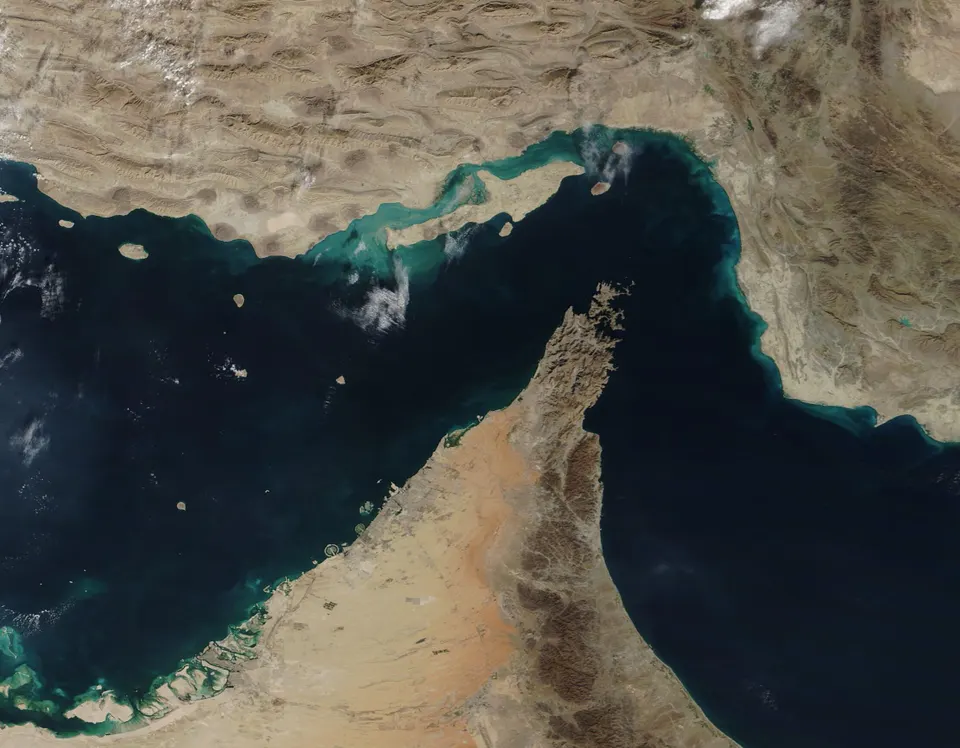
The Strait of Hormuz, a narrow waterway between Oman and Iran, is one of the world’s most critical maritime chokepoints. Roughly 20% of global petroleum—about 21 million barrels per day—passes through this 21‑kilometre‑wide channel, making it a vital conduit for oil from the Gulf states to markets in Europe, Asia, and the United States. Because the strait is so tight, any disruption—whether from geopolitical tension, a naval incident, or a deliberate closure—can instantly tighten global oil supplies and push prices upward.
Historically, the strait has been a flashpoint for conflict. During the Iran‑Iraq War in the 1980s, both sides mined the waterway, prompting the U.S. Navy’s Operation Earnest Will to escort merchant vessels. More recently, in 2019, Iran threatened to block the passage in retaliation for U.S. sanctions, prompting a brief spike in Brent crude prices. These episodes illustrate how the mere threat of interference can trigger market reactions, even before any physical blockage occurs.
The mechanics of price movement are rooted in market psychology as much as in supply fundamentals. Traders monitor news about the strait closely; any hint of instability—such as the recent U.S.–Iran peace talks referenced by Marco Rubio and the Pope—creates optimism that shipping will remain uninterrupted, leading to a sell‑off in oil futures and a dip in spot prices. Conversely, heightened tension can cause a “risk premium” to be added to oil prices, reflecting the cost of potential supply shocks.
Understanding the strait’s role helps explain why diplomatic developments in the Middle East have outsized effects on global energy markets. Even when the talks themselves do not directly involve oil, the perception that the Strait of Hormuz will stay open reassures investors, stabilizing prices. Conversely, any escalation can quickly translate into higher fuel costs, inflationary pressure, and broader economic uncertainty worldwide.
For policymakers and investors alike, the Strait of Hormuz serves as a barometer of geopolitical risk. Monitoring naval activity, sanctions regimes, and diplomatic overtures provides early signals about possible oil market volatility, underscoring why this narrow channel commands such strategic attention.
Topics
Related Articles