US Strikes Hit Iranian Infrastructure for 7th Night as Toman Plummets; Venezuela Quake Toll Hits 5,000
هفتمین شب حملات سنگین آمریکا به زیرساختهای ایران؛ جهش نرخ دلار و سکه در بازار تهران
Military strikes have expanded to target Iranian bridges and water plants, driving the USD above 193,000 Toman. Meanwhile, Venezuela taps IMF funds after a devastating earthquake, and UK water executives face backlash over massive pay raises.
At time of publishing
USD
193,100
Toman
Gold 18K
18.76M
Toman / gram
Bitcoin
$63,973
US Dollar
Tether
193,159
Toman
US Strikes Target Iranian Infrastructure as Conflict Enters Second Week
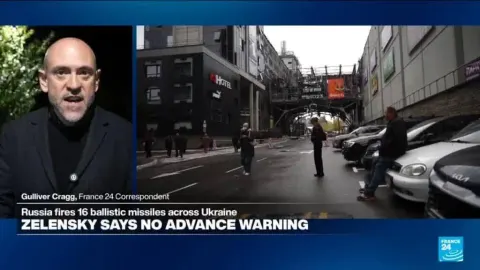
US Central Command has confirmed a seventh consecutive night of precision strikes against Iranian targets, primarily focusing on degrading military capabilities near the Strait of Hormuz. However, reports from the ground and international observers indicate that the scope of the damage has expanded significantly to include dual-use infrastructure. Key bridges and water desalination plants have been hit, leading to widespread utility disruptions in southern provinces. The conflict has also spilled over to regional neighbors; Kuwaiti officials reported damage to a power plant following retaliatory attempts by Iranian-aligned forces, signaling a dangerous widening of the combat zone.
The strategic intent behind targeting infrastructure like bridges is to limit the IRGC's mobility and logistical reach, but the immediate humanitarian cost is rising rapidly. While the Iranian Foreign Ministry claims the nation is "more united than ever," the reality on the ground is one of increasing scarcity and fear. As the U.S. military announces that these operations will continue as long as threats to international shipping persist, the prospect of a swift de-escalation seems increasingly remote, leaving the region in a state of high-intensity attrition. This seventh night of bombardment marks the longest sustained U.S. air campaign against Iranian soil in decades.
Market Panic: Toman and Gold Surge Amid War Uncertainty
The direct consequence of the escalating military conflict is being felt acutely in the Iranian financial markets. As of 12:00 Tehran time, the US Dollar has surged to a sell price of 193,100 Toman, marking a 1.2% increase from the previous day’s 190,900. This volatility is a direct reflection of the "war premium" being priced into the currency as citizens and traders scramble for safe-haven assets. The gold market is seeing even more aggressive movement; the Emami coin has jumped by 2.2% to reach 189,000,000 Toman, while 18k gold per gram has risen 1.4% to 18,756,636 Toman.
Investors are moving away from the Rial as the destruction of infrastructure suggests a long-term blow to Iran's already fragile industrial output. With the Strait of Hormuz—the world's most vital oil chokepoint—at the center of the kinetic conflict, the risk of a total halt in maritime trade is no longer a theoretical scenario. For the average Iranian, this translates to a rapid erosion of purchasing power and the expectation of a new wave of hyperinflation should the military stalemate continue. The psychological barrier of the 200,000 Toman mark for the Dollar is now within sight if geopolitical tensions do not subside within the coming days.
Global Crises: Venezuela’s Earthquake Toll and Corporate Greed in the UK
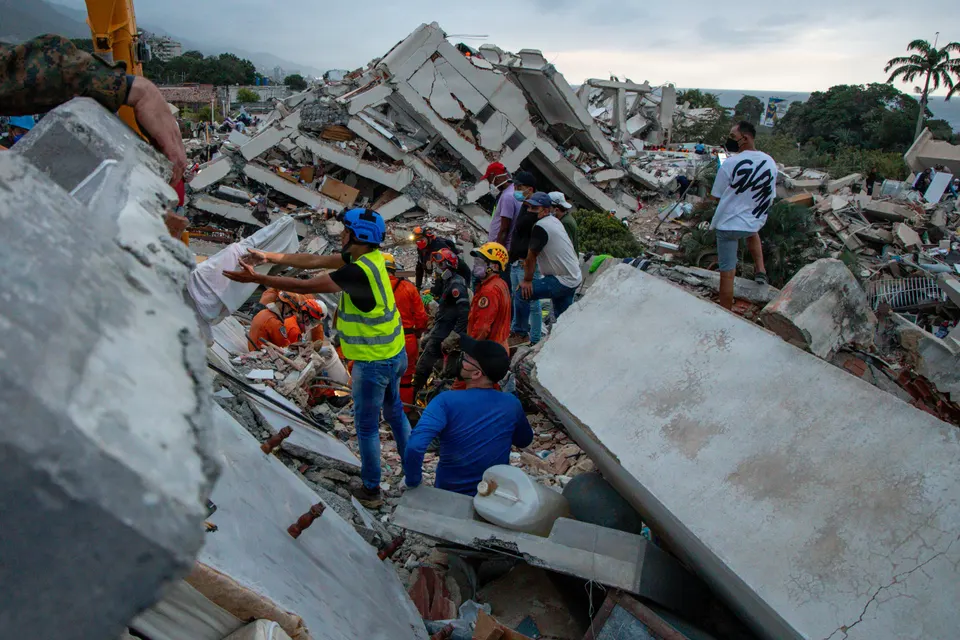
On the global stage, a humanitarian crisis is reaching catastrophic proportions in South America. The death toll from the twin earthquakes that struck Venezuela last month has officially surpassed 5,000. The International Monetary Fund (IMF) has moved to release $346 million in recovery funds to assist the decimated coastal state of La Guaira. This move is significant as it represents a rare moment of international financial cooperation with Caracas, though the scale of the destruction—described as "decimating" the region north of the capital—suggests that these funds are only a fraction of what will be required for full reconstruction.
Meanwhile, in the United Kingdom, a different kind of crisis is brewing over corporate accountability. The CEO of Wessex Water, Ruth Jefferson, has received a 14% base salary increase, bringing her pay packet to £791,000. This pay hike comes despite a formal ban on executive bonuses due to the company's repeated failures to manage sewage spills. Critics and labor unions have labeled the move "obscene," pointing out that the raise is far above the inflation rate and represents 18 times the salary of the company's median employee. This incident highlights a growing global trend of executive insulation from the economic hardships faced by the general public.
Strategic Realignment in the Middle East
As the conflict drags on, Israel’s far-right coalition is moving to expand its footprint in the Palestinian territories. Defense and finance ministers have announced plans for three new illegal settlements in Gaza and more than $400 million in funding for West Bank expansion. This move, coming just before national elections on October 27, appears to be a calculated effort to create "facts on the ground" that would complicate any future peace negotiations. The Israeli military commander for the region has even described violent outposts as "security partners," a statement that has drawn sharp international condemnation.
This expansionism, coupled with the ongoing U.S.-Iran conflict, has created a volatile security vacuum. With international attention focused on the missile exchanges and infrastructure hits in the Gulf, the acceleration of settlement activity suggests that regional actors are taking advantage of the chaos to advance long-standing territorial goals. For the broader Middle East, this means the risk of a multi-front war is at its highest level in a generation, as local grievances and global power struggles converge in a perfect storm of instability.
Watch
'The APPETIZER before the MAIN COURSE': Retired brigadier general on escalated strikes on Iran
Fox News
Frequently Asked Questions
Why is the US targeting Iranian civilian infrastructure like bridges?
How has the Iranian market reacted to the 7th night of strikes?
What is the significance of the IMF funds for Venezuela?
Currency Devaluation Amid Geopolitical Instability
Currency devaluation refers to the official reduction in the value of a country's currency relative to other foreign currencies or a standard like gold. It can be a deliberate policy choice by a government seeking to boost exports or correct a trade imbalance, but more often, it is a market-driven phenomenon resulting from a loss of confidence in the economy, high inflation, or external shocks. When a currency devalues, it means that more units of the local currency are needed to purchase the same amount of a foreign currency, like the US dollar.
The plummeting value of the Iranian Toman, as highlighted in the news, is a stark example of currency devaluation driven by severe geopolitical instability and economic pressures. Prolonged international sanctions, particularly those imposed by the US, have significantly curtailed Iran's oil exports—its primary source of foreign currency revenue. Coupled with ongoing regional conflicts, the threat of military action, and internal economic challenges, these factors erode investor confidence and make it difficult for Iran to engage in international trade and attract foreign investment.
The mechanism behind such a sharp decline is multi-faceted. When a nation faces sanctions and geopolitical isolation, its access to global financial markets is restricted, leading to a scarcity of foreign currency within the country. This scarcity, combined with a lack of confidence in the domestic economy and political stability, prompts both businesses and individuals to convert their local currency savings into more stable assets, such as foreign currencies or physical gold, or even to move capital out of the country entirely. This increased demand for foreign currency and decreased demand for the local Toman creates immense downward pressure on its exchange rate.
The consequences for ordinary citizens are profound. A devalued Toman means that imported goods, from medicines to essential foodstuffs, become prohibitively expensive, fueling rampant inflation. The purchasing power of salaries and savings held in the local currency diminishes rapidly, leading to a significant decline in living standards. In response, many people turn to safe-haven assets like gold—as indicated by the keywords—to protect their wealth from erosion, further illustrating the deep economic uncertainty that geopolitical tensions can inflict upon a nation's currency and its people.