Trump Resumes Iran Strikes as Toman Hits 192,400; Israel Warns of Shadow War Recruitment
حملات دوباره ترامپ علیه ایران و صعود دلار به ۱۹۲ هزار تومان؛ هشدار اسرائیل درباره جنگ سایبری
Geopolitical tensions have surged as Donald Trump resumes military strikes on Iran infrastructure, driving the Toman to 192,400. Meanwhile, Israel intensifies its counter-intelligence campaign against Iranian recruitment, and Ukrainian drones strike major Russian logistics hubs.
At time of publishing
USD
192,400
Toman
Gold 18K
18.75M
Toman / gram
Bitcoin
$63,952
US Dollar
Tether
193,320
Toman
The High-Stakes Gamble: Trump Resumes Iran Strikes
Donald Trump has once again shattered geopolitical expectations by resuming military strikes against Iranian infrastructure, less than a month after a fragile ceasefire was hailed as a breakthrough. This move, which comes at a critical juncture before the US midterm elections, has sent shockwaves through global markets and local currency exchanges alike. In Tehran, the US Dollar has already reacted to the uncertainty, rising from 190,900 to 192,400 Toman (+0.8%) in just 24 hours. Analysts suggest that Trump is leveraging his characteristic "high-wire act" to project strength, even as critics warn that a prolonged conflict could alienate voters and destabilize the global economy further.

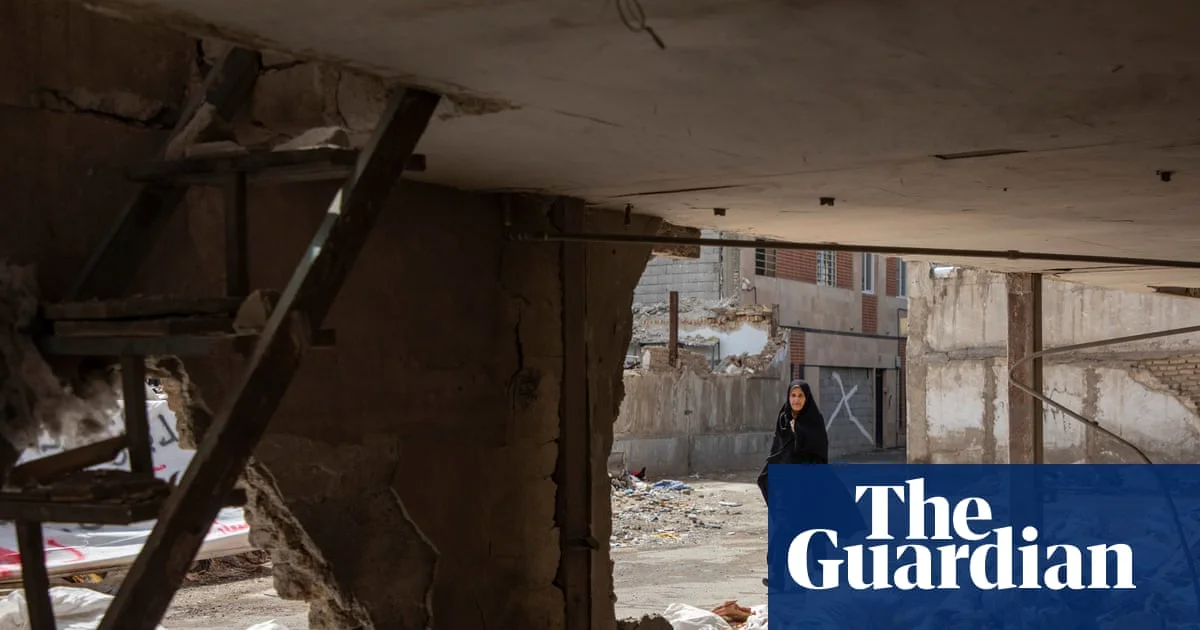
The situation on the ground is rapidly deteriorating. Reports indicate that critical infrastructure, including water facilities, has come under fire as the scope of attacks expands. In response, the Islamic Revolution Guards Corps (IRGC) claimed to have destroyed US fleet fuel support docks and warplane hangars in Kuwait and Bahrain, according to state-aligned media. For the average Iranian citizen, this escalation is more than just a headline; it translates directly into a loss of purchasing power. Gold prices have followed the upward trend of the dollar, with the Emami coin rising 1.6% to reach 188,000,000 Toman, reflecting a desperate search for safe-haven assets as the "drums of war" grow louder.
Digital Frontlines: Israel’s Counter-Intelligence Push
As the kinetic conflict heats up, the shadow war between Israel and Iran is moving deeper into the digital realm. Israeli authorities have recently launched a broad public awareness campaign to counter what they describe as aggressive online recruitment efforts by Iranian intelligence agents. These efforts typically involve approaching Israeli citizens through social media platforms, often under the guise of job offers or casual interactions, with the ultimate goal of gathering sensitive information or facilitating domestic disruption. This tactical shift highlights the increasing importance of psychological and digital operations in the broader regional struggle.

This escalation in counter-measures signals a shift in how regional powers manage the "gray zone" of conflict. By publicly warning against these recruitment tactics, Israel aims to neutralize Iranian operations before they can bear fruit. For Iranians living abroad or those active in international digital spaces, this means increased scrutiny and a higher risk of being caught in the crossfire of state-level surveillance. The tightening of digital borders mirrors the tightening of economic ones, as both sides look to exploit every possible vulnerability in their opponent's domestic stability. The move also serves as a deterrent, making it harder for intelligence agencies to operate with the anonymity they once enjoyed.
Logistics Under Fire: Ukrainian Drones Strike Russian Retail
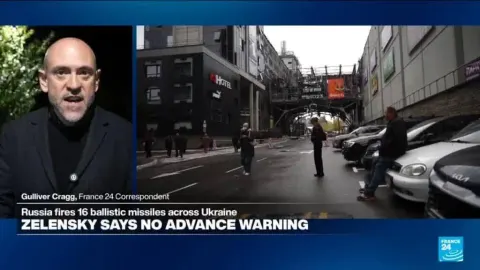
In a significant shift in the Russo-Ukrainian theater, Ukrainian drones have successfully targeted major logistics facilities belonging to Wildberries—Russia's largest online retailer—near Moscow and in Tambov. President Zelenskyy characterized these warehouses as "major logistics facilities" used for supplying sanctioned components, suggesting that the strike was intended to cripple the supply chain for military-grade technology. This marks a departure from traditional military targets, focusing instead on the commercial infrastructure that keeps the Russian economy and its war machine functioning. The strikes resulted in significant damage, highlighting the vulnerability of even the most protected industrial zones in Russia.

The impact of such strikes goes beyond immediate physical damage. They create a sense of insecurity within the Russian domestic market and complicate the movement of goods in a country already struggling under the weight of international sanctions. As logistics hubs become legitimate targets, the ripple effects are felt in global supply chains, particularly for tech components that often find their way through secondary markets. This development underscores a broader trend in modern warfare where the line between civilian commerce and military logistics is increasingly blurred, forcing businesses to account for geopolitical risks that were once considered extreme outliers. For global markets, this means continued volatility in shipping and insurance costs as logistics corridors become increasingly hazardous.
Frequently Asked Questions
Why has Donald Trump resumed strikes on Iran despite the recent ceasefire?
How has the Iranian currency market reacted to the military escalation?
What is the significance of the Ukrainian drone strikes on Wildberries warehouses?
The Impact of Geopolitical Risk and Sanctions on National Currencies
Geopolitical tensions, such as those alluded to in the headline between the US, Iran, and Israel, often extend beyond military skirmishes to encompass economic warfare. One of the most potent tools in this arsenal is economic sanctions. These are coercive measures adopted by one or more countries against another to achieve specific foreign policy objectives, ranging from altering a nation's nuclear program to changing its human rights practices. While often presented as an alternative to military conflict, their economic impact can be profound and far-reaching.
The most direct and visible consequence of severe economic sanctions, particularly those targeting key export sectors like oil or access to international financial systems, is the depreciation of the target country's national currency. Sanctions restrict a nation's ability to earn foreign currency (like US dollars or Euros) through exports, as international buyers are deterred from purchasing sanctioned goods or services. Simultaneously, they make it harder for the sanctioned country to import essential goods, forcing it to spend its dwindling foreign reserves or pay exorbitant premiums. This scarcity of foreign currency in the domestic market, coupled with a surplus of local currency, inevitably drives down the exchange rate, making the local currency worth less relative to hard currencies.
In the case of Iran, decades of international sanctions, particularly those reimposed and intensified by the US, have severely crippled its economy and financial system. Restrictions on oil exports, banking, and access to the global SWIFT system have drastically reduced Iran's foreign exchange earnings. This chronic shortage of foreign currency, exacerbated by domestic economic mismanagement and high inflation, directly translates into the sharp devaluation of the Iranian Toman (or Rial). The headline's mention of the Toman hitting 192,400 against the dollar is a stark indicator of how geopolitical pressure and sanctions directly erode a nation's currency value, diminishing its citizens' purchasing power and fueling economic instability.