Labour’s Local Rout: Starmer Reeling as AI Job Cuts Hit Record Tech Revenues and Hormuz Tensions Hold
شکست سنگین حزب کارگر در بریتانیا؛ سایه هوش مصنوعی بر بازار کار و تداوم تنشهای نفتی در هرمز
Prime Minister Keir Starmer faces a political crisis as Labour loses over 1,000 seats in local elections, while Cloudflare’s AI-driven layoffs signal a new era of corporate efficiency. Meanwhile, the U.S. increases pressure on Iranian tankers as the "one-page" peace plan reaches a critical Friday deadline.
At time of publishing
USD
176,700
Toman
Gold 18K
20.19M
Toman / gram
Bitcoin
$80,034
US Dollar
Tether
17,772.5
Toman
The Cracks in Downing Street: Starmer’s Local Election Disaster
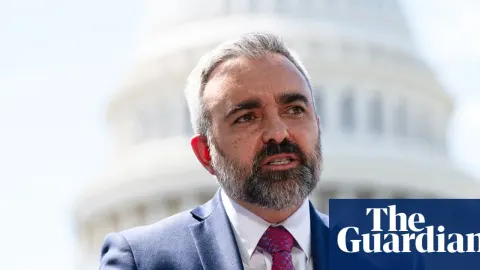
Prime Minister Keir Starmer is facing his most significant domestic challenge since taking office, as the 2026 local election results reveal a staggering loss for the Labour Party. Early reports indicate that Labour has shed more than 1,000 municipal seats, a blow that has sent shockwaves through Westminster. The losses are not merely a swing back to the Conservatives; instead, Starmer’s base is being eroded from two different directions. In working-class heartlands, the right-wing populist Reform UK party is making massive gains, while the Green Party is successfully chipping away at Labour’s progressive urban voters.
This political fracture is more than just a mid-term slump; it represents a fundamental breakdown of the coalition that brought Starmer to power in 2024. Voters who previously hoped for rapid change are expressing deep frustration with the government's perceived inertia and its handling of the cost-of-living crisis. For global markets, this instability in a G7 nation introduces a layer of political risk. While Starmer has insisted he will not resign, the pressure from within his own party is mounting, and the prospect of a reshuffled cabinet or a pivot in economic policy is now being priced into the British Pound's volatility.

The AI Productivity Paradox: Record Profits and 1,100 Job Cuts
Cloudflare, a titan of the internet infrastructure world, has provided a chilling look at the future of the global workforce. Despite reporting record-high revenues this quarter, CEO Matthew Prince announced the company’s first large-scale layoff, cutting 1,100 positions. The reason? AI efficiency gains. Prince stated that the company no longer requires the same volume of support and administrative roles because internal AI tools have rendered those positions obsolete. This move underscores a growing trend in the tech sector where financial success no longer guarantees job security; in fact, high revenue is now often the catalyst for automating human labor to further widen profit margins.
Simultaneously, the physical infrastructure for this AI revolution is expanding at a breakneck pace. Massive new data centers are being constructed globally, acting as the foundation for the tech industry's AI ambitions. However, this expansion is meeting fierce resistance. From energy-hungry server farms straining local power grids to the environmental impact of their cooling systems, the "physicality" of AI is becoming a geopolitical and social flashpoint. As Cloudflare cuts its human headcount, the industry is doubling down on silicon and electricity, signaling a structural shift in how value is created in the digital economy.

Hormuz on the Brink: Tanker Fires and the Rubio Deadline
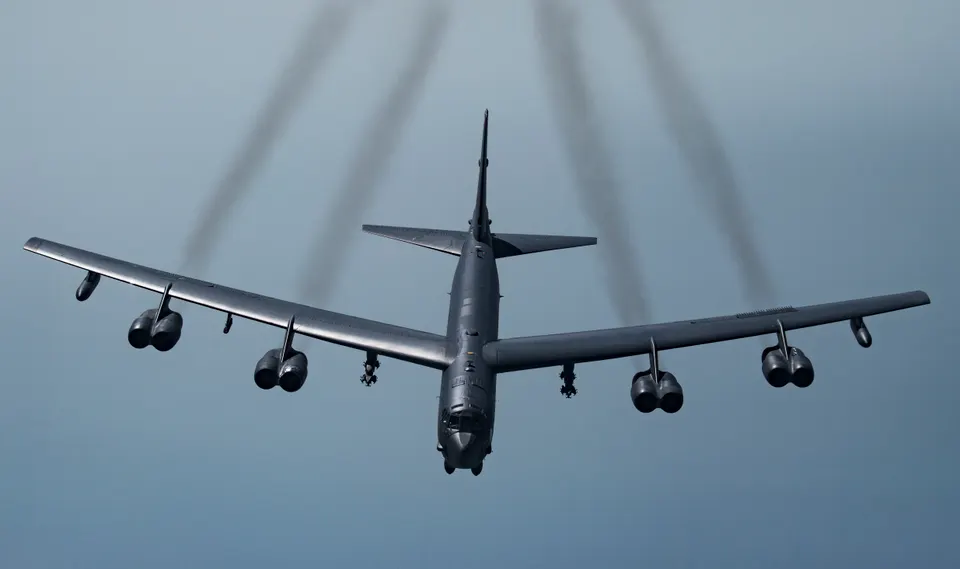
The geopolitical situation in the Persian Gulf remains dangerously volatile as the Friday deadline for Tehran’s response to the "one-page" peace plan looms. At 23:00 Tehran time, reports of U.S. forces firing on tankers have heightened fears that the fragile ceasefire is on the verge of total collapse. Secretary of State Marco Rubio has maintained a hardline stance, indicating that Washington expects a definitive answer from Iran by the end of the day. The market's reaction has been one of cautious dread, with oil traders closely monitoring the Zawiya refinery in Libya, which recently halted operations due to local fighting, adding further pressure to a tightening global supply.
In a bizarre twist of diplomatic signaling, the Trump administration announced the seizure of 13.5kg of highly enriched uranium—not from Iran, but from a legacy reactor in Venezuela. Analysts view this move as a symbolic show of force, intended to demonstrate that the U.S. can and will seize nuclear materials from hostile regimes. While the amount is a fraction of what is held in Tehran, the timing is calculated to increase the psychological pressure on Iranian negotiators. As the sun sets on Friday, the risk of a miscalculation in the Strait of Hormuz remains at its highest point in years, keeping the Toman and gold prices in a state of high-alert stability.
Market Snapshot: Toman and Crypto Hold Steady Amid Storms
Despite the intense geopolitical and political headwinds, the Iranian market has shown remarkable resilience over the last 24 hours. The US Dollar (USD) sell rate remains unchanged at 176,700 Toman, reflecting a market that has already priced in much of the current tension. Gold 18k per gram saw a marginal increase of 0.1%, moving from 20,163,442 to 20,186,758 Toman. This suggests that while there is no panic buying, investors are slowly hedging their positions as they await the outcome of the weekend’s diplomatic developments.
In the cryptocurrency space, Bitcoin (BTC) continues to trade around the $80,034 mark, finding support despite the broader market's uncertainty. The rise of AI-driven finance is also making waves in the crypto world, with the SEC signaling new rules for on-chain markets and AI agents. As tech giants and startups race to build AI-powered financial tools, the demand for blockchain-based settlement is growing. For the Iranian trader, this dual pressure of local currency stability and global tech evolution creates a complex environment where traditional assets like gold and modern assets like BTC are increasingly serving the same purpose: a refuge from institutional and geopolitical volatility.
Frequently Asked Questions
Why did the Labour Party lose so many seats in the 2026 local elections?
How can Cloudflare lay off workers while reporting record profits?
What is the significance of the U.S. seizing uranium from Venezuela?
How is the Iranian Toman reacting to the latest Strait of Hormuz tensions?
Understanding Geopolitical Risk in a Volatile World
In an increasingly interconnected yet fractured global landscape, understanding Geopolitical Risk is paramount. This concept refers to the potential for political decisions, events, or instabilities in one region to significantly impact global markets, economies, and international stability. It encompasses everything from interstate conflicts and civil unrest to shifts in government policy, trade disputes, and even resource control, all of which can create ripple effects far beyond their immediate vicinity.
The keywords provided offer vivid examples of geopolitical risk in action. Tensions in the Strait of Hormuz, a critical chokepoint for global oil shipments, immediately raise concerns about energy supply and prices worldwide. Similarly, shifts in US foreign policy towards nations like Iran, including the imposition of sanctions, directly influence currency values (like the USD/IRR exchange rate) and regional stability. Even resource disputes, such as the seizure of uranium in Venezuela, highlight how control over strategic assets can escalate into international incidents with economic and political ramifications.
The economic mechanisms through which geopolitical risk operates are diverse. It can disrupt global supply chains, leading to shortages and price spikes for essential commodities like oil and gas. It can deter foreign investment, causing capital flight and impacting a nation's economic growth. Currency markets often react sharply, reflecting investor uncertainty and capital outflows. Furthermore, prolonged geopolitical instability can fuel inflation, reduce consumer and business confidence, and force governments to divert resources towards security rather than economic development.
Ultimately, geopolitical risk introduces a significant layer of uncertainty into global affairs. For businesses, it necessitates scenario planning and diversification to build resilience against unexpected shocks. For governments, it demands shrewd diplomacy, strategic alliances, and robust defense postures. For the curious reader, grasping this concept provides a crucial lens through which to interpret seemingly disparate global headlines, recognizing how political events, economic pressures, and resource competition are intricately linked in shaping our shared future.
Topics
Related Articles