Naval Fire in the Gulf: US Targets Tankers as Geopolitical Tensions Spike
شلیک آمریکا به نفتکشها در خلیج فارس؛ تنشهای ژئوپلیتیک و نوسان در بازار صبحگاهی
Overnight reports of US naval fire against tankers have sent ripples through global markets. As Tehran warns of 'reckless' escalation and the Toman edges higher, we break down what this means for your wallet.
At time of publishing
USD
176,800
Toman
Gold 18K
20.19M
Toman / gram
Bitcoin
$80,405
US Dollar
Tether
17,800
Toman
Market Open — Geopolitical Risk Weights on the Toman
The Tehran market opened this morning under a cloud of renewed regional tension. The US Dollar (USD/IRR) edged up to 176,800 Toman, a slight 0.1% increase from yesterday's 176,700. While the currency move appears modest on paper, the underlying sentiment is one of extreme caution as traders digest overnight reports from the Persian Gulf. Gold 18k remained flat at 20,186,758 Toman per gram, but the Emami Coin saw a more pronounced jump of 1.0%, reaching 197,000,000 Toman, reflecting a rush toward physical hedges by local investors.
Bitcoin continues to hold a high floor at $80,405, despite some profit-taking signals in the broader crypto market. For the Iranian investor, the combination of a record-high gold ounce ($4,715.70) and a volatile regional security situation creates a complex environment. The stability of the 18k gold price against the rise in minted coins suggests that while the "intrinsic" value is holding steady for now, the "panic premium" on coins is beginning to swell as people look for liquid, safe-haven assets.
U.S. Fires on Tankers: Naval Escalation in the Gulf
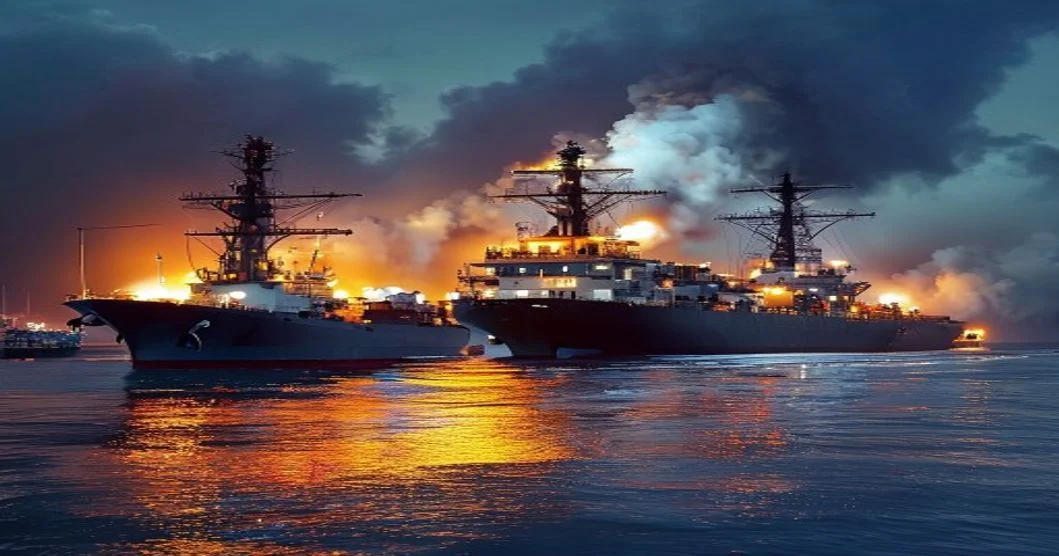
The most significant development overnight comes from the waters of the Persian Gulf, where reports indicate that U.S. forces have fired upon tankers. Tehran has wasted no time in condemning the move, with the Foreign Ministry labeling the actions as "reckless attacks" that undermine any remaining threads of regional diplomacy. Secretary of State Marco Rubio has signaled that the U.S. is waiting for a formal response from Tehran, indicating a high-stakes game of chicken that has moved from rhetoric to kinetic action.
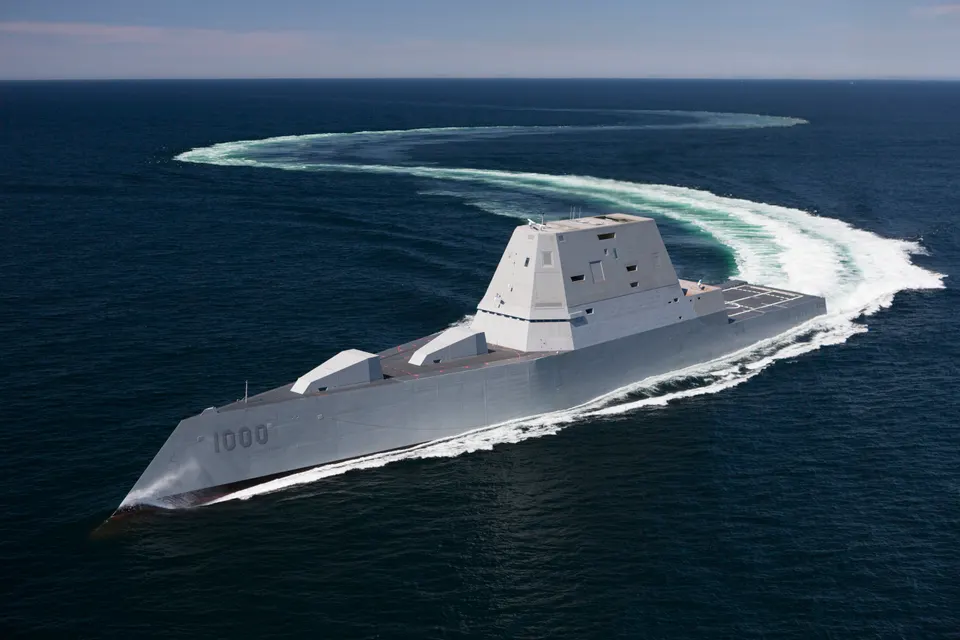
This escalation marks a dangerous pivot in the ongoing conflict. For months, the "shadow war" has been fought through proxies and sanctions, but direct fire on maritime assets—specifically tankers—directly threatens the world's primary energy artery. For Iran, this isn't just a military concern; it's an economic one. Any disruption to the flow of oil or the safety of shipping lanes immediately translates to higher insurance premiums, disrupted supply chains, and downward pressure on the national currency as traders anticipate reduced foreign exchange inflows.
The broader implication for global markets is a "flight to safety." We are seeing gold prices remain at historic highs because the market no longer views these skirmishes as isolated incidents. If the U.S. continues to target vessels, and if Tehran retaliates in kind, the "risk-off" sentiment will likely dominate the coming week, potentially pushing the Dollar and Gold even higher in the domestic market as the prospect of a wider conflict looms.
Diplomatic Deadlock: Tehran Dismisses Trump’s Peace Overtures
Parallel to the naval tension, the war of words between Tehran and Washington has reached a new peak of cynicism. Foreign Ministry spokesperson Esmaeil Baqaei recently addressed the Trump administration's claims of seeking a "nuclear solution" and peace in the region. Baqaei characterized these claims as a "grotesque absurdity," pointing out the sharp contradiction between talk of peace and the simultaneous issuance of nuclear threats and military strikes against Iranian interests.
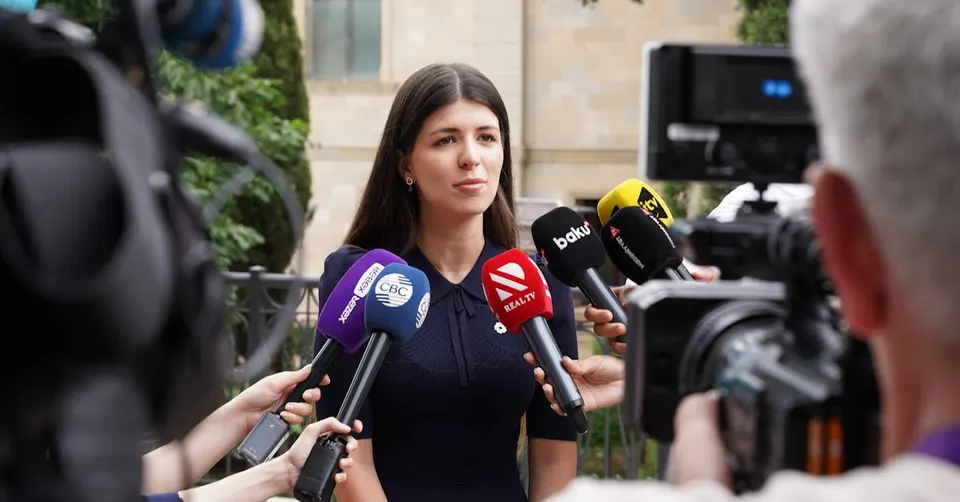
This diplomatic rift suggests that the window for a negotiated settlement is closing faster than many analysts anticipated. While the U.S. side maintains that they are waiting for Tehran to engage, the Iranian side sees these demands as ultimatums delivered under duress. For the average Iranian citizen, this deadlock means that the era of "sanctions relief" remains a distant dream, and economic planning must continue under the assumption of a "fortress economy" where self-reliance is the only path forward.
The impact on market psychology cannot be overstated. When diplomacy fails, the market looks for a "hard floor." Currently, that floor is being built on gold and hard currency. As long as the rhetoric remains this hostile, the likelihood of a significant correction or cooling off in the USD/IRR rate remains low. Investors are watching for any sign of backchannel communication, but for now, the signals are purely confrontational, keeping the demand for Dollars high.
Hantavirus Crisis: The Unprecedented Evacuation of MV Hondius
Away from the geopolitical firestorm, a different kind of crisis is unfolding off the coast of the Canary Islands. The Dutch-flagged cruise ship MV Hondius, carrying 149 passengers and crew, is currently the site of an "unprecedented operation" due to an outbreak of Hantavirus. The ship, which was traveling from Argentina, is racing against time to reach Tenerife. Authorities have warned that the evacuation must be completed within a 24-hour window this Sunday, or face weeks of delay due to incoming bad weather.

While Hantavirus is typically associated with rodents and is not as easily transmissible between humans as COVID-19, the logistical nightmare of a "stricken ship" in the middle of a storm highlights the fragility of global travel and health protocols. Spain's health minister has mobilized significant resources to assess and repatriate those on board, treating the situation with extreme caution to prevent any potential spread. This serves as a reminder of the "black swan" events that can disrupt global logistics and sentiment outside of war and finance, adding another layer of unpredictability to an already volatile global mood.
Frequently Asked Questions
Why did the US fire on tankers in the Persian Gulf?
How did the Iranian currency and gold market react to the news?
What is the Hantavirus situation on the MV Hondius cruise ship?
What is the current stance of the Iranian Foreign Ministry on US relations?
Understanding Secondary Sanctions: How They Shape Shipping and Markets
What are secondary sanctions?
Secondary sanctions are punitive measures that a country—most often the United States—applies not only to entities within its own jurisdiction but also to foreign firms, banks, or vessels that do business with a sanctioned target. Unlike primary sanctions, which directly prohibit U.S. persons from dealing with the target, secondary sanctions threaten to cut off any non‑U.S. participant from the U.S. financial system, deny access to U.S. markets, or freeze any U.S.-linked assets. The goal is to extend the reach of the sanctioning power and deter third‑party support for the primary target.
Legal basis and enforcement
In the U.S., secondary sanctions are administered by the Office of Foreign Assets Control (OFAC) under the Department of the Treasury. The legal framework is built on executive orders (e.g., EO 13846 on Iran) that authorize the Treasury to designate “secondary sanctions” against non‑U.S. persons who facilitate significant transactions for Iran’s oil, shipping, or weapons programs. Violators can face denial of U.S. dollar clearing, loss of U.S. insurance, and bans on using U.S. ports or services.
Why tankers in the Persian Gulf matter
Since early 2024, the U.S. Navy has intercepted and, in some cases, seized tankers suspected of carrying Iranian crude in the Gulf of Oman and the Strait of Hormuz. Those vessels, even if owned by foreign companies, risk being blacklisted by OFAC. Shipping firms respond by re‑flagging ships, hiring U.S.‑compliant insurers, or rerouting around the Gulf altogether. The heightened risk raises freight rates and forces many operators to avoid the region, which in turn tightens global oil supply.
Economic ripple effects
When the flow of Iranian oil is disrupted, global oil benchmarks (e.g., Brent, WTI) tend to spike, feeding through to local currencies that are heavily tied to oil revenues. In Iran, the rial‑to‑USD rate (USD/IRR) can weaken sharply as the government loses hard‑currency earnings, and Tehran’s stock exchange may open with heightened volatility. Investors also watch related assets, such as the Emami Coin, for speculative moves driven by broader risk sentiment.
Broader implications
Secondary sanctions have become a cornerstone of U.S. foreign policy, compelling foreign banks and shipping companies to run robust compliance programs. For businesses operating near the Persian Gulf, understanding the mechanics of secondary sanctions is essential for risk management, insurance procurement, and strategic routing decisions. Ignoring these rules can lead to sudden asset freezes and loss of market access, underscoring why the concept matters far beyond a single headline.
Topics
Related Articles