HMS Dragon Deploys to Hormuz as Toman Hits 177,900 Amid 'Unsustainable' Naval Standoff
اعزام ناوشکن اژدها به خلیج فارس همزمان با رکوردشکنی دلار؛ بنبست هرمز به نقطه بحرانی رسید
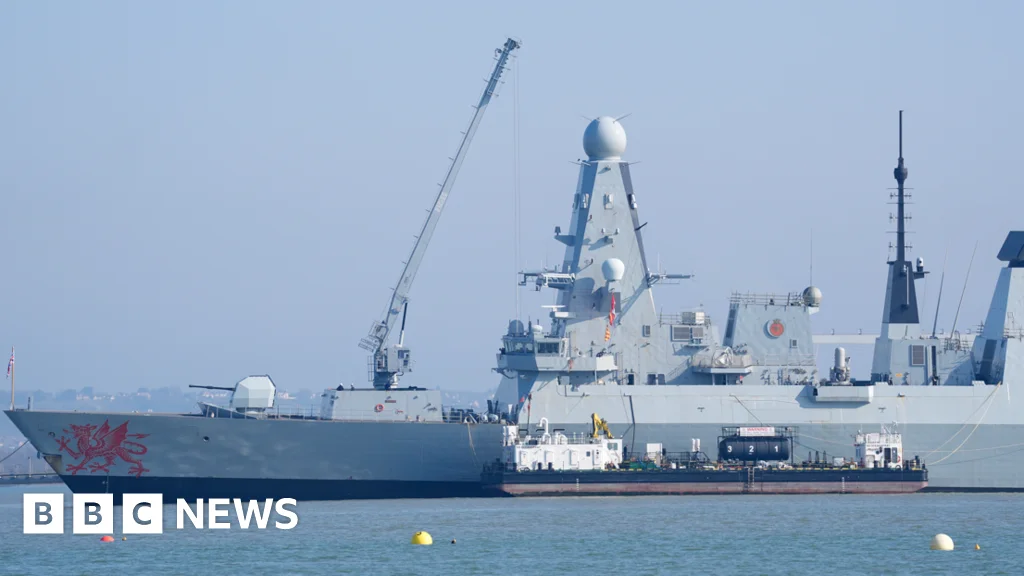
The UK's HMS Dragon has been dispatched to the Middle East as naval tensions in the Strait of Hormuz escalate. With the Toman slipping 0.7% to 177,900 against the USD, analysts warn that the current maritime standoff is economically unsustainable for both Tehran and Washington.
At time of publishing
USD
177,900
Toman
Gold 18K
20.31M
Toman / gram
Bitcoin
$80,267
US Dollar
Tether
17,817.5
Toman
The Dragon Enters the Fray: UK Naval Escalation
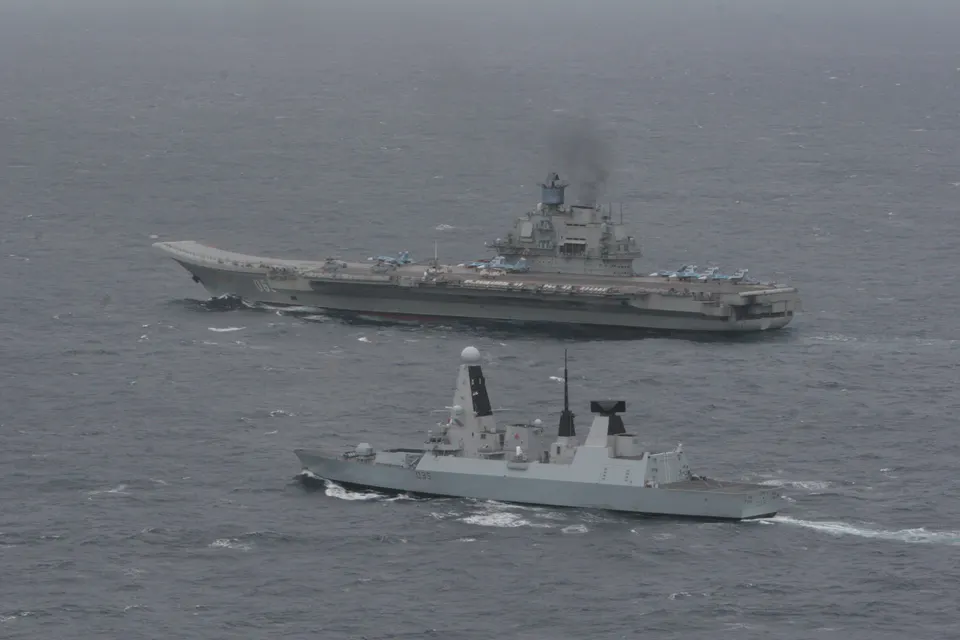
The UK Ministry of Defence has officially announced the deployment of HMS Dragon to the Middle East, a move designed to bolster international efforts in safeguarding shipping lanes through the Strait of Hormuz. While the Ministry clarified that the vessel would primarily prepare to join missions once active hostilities in the region subside, its presence adds a significant layer of Western naval power to an already crowded and volatile maritime corridor. This deployment comes at a time when the strategic value of the Strait is under immense pressure, with global energy markets watching every movement of naval assets in the Persian Gulf with high anxiety.
The Guardian reports that the current standoff between the United States and Iran has reached a level that neither side can realistically sustain for much longer. While the US and Israel have demonstrated military superiority in recent exchanges, they have arguably failed to translate that into strategic dominance. Instead, Iran has maintained a functional grip on the Strait of Hormuz, a factor that continues to drive up oil prices and create a persistent economic crisis. For the Iranian public, this 'high-stakes standoff' is felt directly in the pocketbook, as the uncertainty fuels a flight to hard currency and gold.
---
Market Reaction: Toman Weakens as Tensions Rise
The immediate impact of these naval maneuvers has been felt in the Tehran currency markets. Within the last 24 hours, the USD/IRR exchange rate moved from 176,700 to 177,900, marking a 0.7% depreciation of the Toman. This movement reflects a broader trend of risk-aversion among Iranian investors who see the arrival of more foreign warships as a signal that a diplomatic resolution remains distant. Gold markets followed suit, with 18k gold rising from 20,186,758 to 20,305,877 Toman per gram (+0.6%), as the local population seeks traditional hedges against potential conflict.
Despite the military posturing, diplomatic channels are not entirely closed. Khalil Shirgholami, Iran’s Ambassador to Armenia, recently emphasized that an agreement remains possible if the United States and its allies return to what he termed a 'rational, logic-based approach.' However, these diplomatic overtures are being complicated by regional friction. Bahrain has recently reported the arrest of 41 individuals allegedly linked to Iran’s IRGC, a move that underscores the deep-seated mistrust between Tehran and its neighbors, further complicating any potential 'grand bargain' that could stabilize the currency.

---
Global Shifts: From Australian Populism to the 'NACHO' Trade
While the Middle East remains the primary focus, significant political shifts elsewhere are altering the global landscape. In Australia, the right-wing One Nation party has secured a historic parliamentary win, signaling a rise in populist sentiment that could impact trade relations and international alliances. Similarly, in Hungary, the era of Viktor Orban has faced a major disruption as Peter Magyar takes over the leadership, promising to dismantle the 'illiberal democracy' that has defined the country for years. These shifts suggest a world in political flux, where established alliances are being tested by internal populist pressures.
In the financial world, Wall Street is increasingly betting on persistent inflation and higher oil prices through what traders are calling the 'NACHO' trade. This acronym reflects a market reality where the U.S. economy appears 'unsinkable' despite the headwinds of the Iran war, yet remains vulnerable to the energy shocks caused by the Hormuz blockade. For crypto enthusiasts, Bitcoin remains a pillar of stability in this chaos, holding firm at $80,267. As crypto wallets are increasingly being rebuilt for AI agents, the digital asset class is evolving from a speculative tool into a core component of the global financial infrastructure, providing a lifeline for those in regions hit hardest by sanctions and currency volatility.
Frequently Asked Questions
Why is the UK sending HMS Dragon to the Middle East now?
How has the Iranian Toman reacted to the recent naval escalations?
Is a diplomatic agreement between Iran and the US still possible?
What is the 'NACHO' trade mentioned by Wall Street analysts?
Geopolitical Risk and Currency Depreciation: The Toman's Plight
The news of HMS Dragon's deployment to the Strait of Hormuz and the subsequent weakening of the Iranian Toman to unprecedented levels highlights a crucial economic principle: the profound impact of geopolitical risk on a nation's currency. Geopolitical risk refers to the potential for political events, conflicts, or instability between countries to disrupt global markets and economic activity. When such tensions escalate, as seen with the naval standoff in a critical global shipping lane like the Strait of Hormuz, it creates immense uncertainty for investors, businesses, and the general populace.
This uncertainty directly translates into a loss of confidence in the affected country's economic stability. Foreign investors become hesitant to commit capital, fearing potential sanctions, trade disruptions, or even conflict that could jeopardize their investments. Simultaneously, domestic investors and citizens, anticipating economic hardship or inflation, often seek to convert their local currency into more stable assets, such as foreign currencies (like the US Dollar), gold, or even cryptocurrencies. This mass conversion, or capital flight, increases the supply of the local currency on the foreign exchange market and boosts demand for foreign currencies, inevitably driving down the local currency's value.
The depreciation of a currency like the Toman has severe consequences for the everyday lives of citizens. It makes imports significantly more expensive, leading to higher prices for essential goods, raw materials, and technology – a phenomenon known as imported inflation. Conversely, while exports might theoretically become cheaper and more attractive, the overarching geopolitical risks often impede trade routes and deter international buyers, negating any potential benefits. Furthermore, a weakening currency erodes purchasing power, diminishing the value of savings and wages, and can exacerbate social and economic unrest.
In essence, the Toman's struggle is a textbook example of how a nation's currency becomes a barometer for its geopolitical standing and internal stability. The 'unsustainable' naval standoff in Hormuz isn't just a military issue; it's an economic shockwave that directly impacts the value of every Toman in an Iranian citizen's pocket, demonstrating the intricate and often painful link between international relations and domestic economic realities.
Topics
Related Articles