Solstice Surge & FIFA Demands: Toman Stabilizes at 176,900 as Oil Supply Paradox Rattles Markets
جهش سهام مواد پیشرفته و شروط فوتبالی ایران؛ ثبات دلار در مرز ۱۷۷ هزار تومان همزمان با بحران عرضه نفت
As Solstice Advanced Materials triggers a Wall Street rally, the Iranian Toman remains steady at 176,900 despite mounting geopolitical tensions. Meanwhile, Iran issues a 10-point ultimatum to FIFA for World Cup participation and US oil drillers struggle to fill the global supply gap.
At time of publishing
USD
176,900
Toman
Gold 18K
20.19M
Toman / gram
Bitcoin
$80,807
US Dollar
Tether
17,750
Toman
The Solstice Effect: Cramer’s Take on the Materials Boom
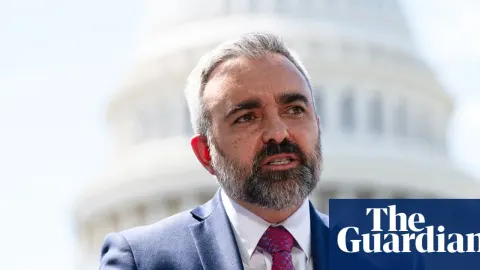
In the final hours of the trading week, the spotlight has shifted decisively toward the industrial sector. Jim Cramer’s latest review of the earnings report from Solstice Advanced Materials has sent ripples through the markets, highlighting a significant pivot in investor sentiment. As Solstice reports record-breaking margins in the production of specialized alloys for the aerospace and semiconductor industries, the broader market is beginning to price in a 're-industrialization' premium. For the Iranian observer, this trend is more than just a Wall Street story; it signals a tightening of the global supply chain for high-tech components, which often correlates with increased inflationary pressure on imported technology and capital goods.
This market enthusiasm comes at a time when the Iranian Toman is showing remarkable resilience. At the 23:00 Tehran close, the USD sell rate moved from 176,700 to 176,900, a modest increase of 0.1%. While global equity markets are volatile, the local currency's stability suggests that the immediate geopolitical risks are being balanced by a steady demand for gold. The Emami coin rose by 0.3% to reach 195,500,000 Toman, indicating that even as stocks rally abroad, domestic investors remain anchored in hard assets as a hedge against the persistent uncertainty of the coming months.
FIFA Ultimatum: Iran’s Ten Conditions for World Cup 2026
The Iranian Football Federation (FFIRI) has injected a heavy dose of geopolitics into the sporting world by presenting FIFA with a list of ten non-negotiable conditions for its participation in the 2026 World Cup, hosted by the US, Mexico, and Canada. These demands primarily center on administrative and security guarantees, including visa processing certainty and the protection of Iranian athletes and fans from political harassment. By taking this stance, Tehran is effectively testing the 'sports neutrality' of the host nations, particularly the United States, at a time when diplomatic channels remain strained and naval tensions in the Persian Gulf are at a seasonal high.
This move by the FFIRI is viewed by analysts as a strategic use of 'soft power' to gain leverage in broader international negotiations. If FIFA fails to provide these guarantees, the prospect of a high-profile boycott could overshadow the tournament's lead-up. For the average Iranian, this is a story of national pride versus political reality; the potential for the national team to play on North American soil is a massive cultural event, but the government's insistence on guarantees reflects a deep-seated mistrust of the hosting environment. This friction contributes to the general sense of 'diplomatic fatigue' that keeps the Toman's exchange rate in a state of high-altitude consolidation.
The Oil Paradox: Why 'Drill, Baby, Drill' Isn't Working
Despite the Trump administration's aggressive push for increased domestic energy production under the slogan "Drill, baby, drill," the global oil supply crisis remains unresolved. U.S. drillers have remained surprisingly cautious, refusing to flood the market with new crude despite the ongoing geopolitical standoff between the U.S., Israel, and Iran. This reluctance stems from a combination of high exploration costs, investor demands for capital discipline, and the sheer volatility of energy prices. As a result, the world remains precariously dependent on Middle Eastern supply routes, including the Strait of Hormuz, which Iranian officials recently compared to an 'atomic bomb' in terms of its economic impact.
For the Iranian economy, this supply-side bottleneck is a double-edged sword. While it keeps global oil prices elevated, supporting the value of energy exports, it also intensifies the sanctions-related pressure as Washington attempts to curb Tehran's market share. The 18k gold price in Tehran remained virtually flat at 20,192,067 Toman per gram, reflecting a market that is waiting for a clear signal on whether the US-brokered ceasefires in Lebanon and Ukraine will actually hold. Until the energy supply gap is bridged, the underlying inflationary pressure will continue to exert a floor on the Toman’s value, preventing any significant appreciation even in the event of a diplomatic breakthrough.
Tragedy in Denver and the Crumbling of Budget Aviation
Beyond the high-stakes world of energy and diplomacy, the aviation sector was rocked by a fatal incident at Denver International Airport where a Frontier Airlines plane struck a pedestrian during takeoff. This tragedy, occurring late Friday night, led to an engine fire and a full evacuation of passengers. While the incident appears to be a localized breach of security, it adds to a growing narrative of instability in the budget travel sector. This is further emphasized by the emotional fallout from Spirit Airlines' financial struggles, as long-distance couples and families mourn the decline of the carrier that made affordable cross-country travel possible. These stories highlight the fragility of the 'real economy' in the West, which often precedes broader shifts in consumer sentiment and market liquidity.
Frequently Asked Questions
Why is the price of the Toman holding steady despite global market volatility?
What are the primary conditions Iran has set for the 2026 World Cup?
Can US oil production lower global energy prices soon?
How Oil Revenues and Managed Float Shape Iran’s Toman Exchange Rate
The Iranian rial (IRR) has long been tied to the fortunes of the country’s oil sector. Because oil exports generate the bulk of hard‑currency earnings, any shock to global oil supply – whether a sudden shortage in the United States or a geopolitical disruption – reverberates directly through Iran’s foreign‑exchange market. When oil revenues dip, the central bank’s ability to intervene with dollars shrinks, putting downward pressure on the rial and prompting a rapid rise in the Toman‑to‑USD rate.
To cope with this volatility, Iran operates a managed‑float system rather than a pure free float or a strict peg. Under a managed float, the central bank allows the market to determine the exchange rate but steps in periodically to smooth extreme swings, using its foreign‑currency reserves as a buffer. This approach gives policymakers a degree of control while still reflecting market fundamentals such as oil price movements, sanctions‑related inflows, and capital‑flight pressures.
In practice, the managed‑float mechanism works through a combination of official and parallel markets. The official rate is set by the Central Bank of Iran (CBI) and is used for essential imports and government transactions. Meanwhile, a parallel market – often called the “free market” rate – reflects real supply‑and‑demand dynamics. When oil revenues surge, the CBI can replenish its reserves and support the official rate, narrowing the gap with the free market. Conversely, during an oil supply crisis, the gap widens, and the Toman may stabilize only after the CBI intervenes with targeted liquidity injections or temporary price caps.
Understanding this system is crucial for anyone tracking the Toman’s nightly movements, the price of local assets such as the Emami coin, or the broader macro‑economic outlook for Iran in 2026. The interplay between oil revenue flows, managed‑float policy, and external shocks explains why the Toman can hover around a level like 176,900 IRR per USD one day and shift dramatically the next, even as domestic earnings reports—like Solstice Advanced Materials—or global events—like a US oil supply crunch—dominate headlines.
Topics
Related Articles