Iran Submits Formal Response to US Proposal as Khamenei Issues New Military Directives
پاسخ رسمی ایران به پیشنهاد آمریکا و ابلاغ دستورات جدید نظامی توسط رهبر انقلاب
Tehran has formally responded to the latest US proposal via Pakistani mediators while Ayatollah Khamenei issued new directives to the Armed Forces. Meanwhile, the USD holds steady at 177,000 Toman as markets weigh regional security risks.
At time of publishing
USD
177,000
Toman
Gold 18K
20.20M
Toman / gram
Bitcoin
$80,902
US Dollar
Tether
17,694.9
Toman
Iran Pursues Dual-Track Strategy: Diplomacy and Defense
In a significant escalation of diplomatic and military activity, the Islamic Republic has officially submitted its response to the latest United States proposal aimed at de-escalating regional tensions. The response was delivered through Pakistani mediators, acting as the primary diplomatic channel between Tehran and Washington. This move comes at a critical juncture as both nations seek to navigate a complex web of sanctions and security concerns. The specific details of the response remain confidential, but sources indicate it addresses the core issues of the ongoing conflict, signaling that Tehran is still engaged in the negotiation process despite the heightened rhetoric.
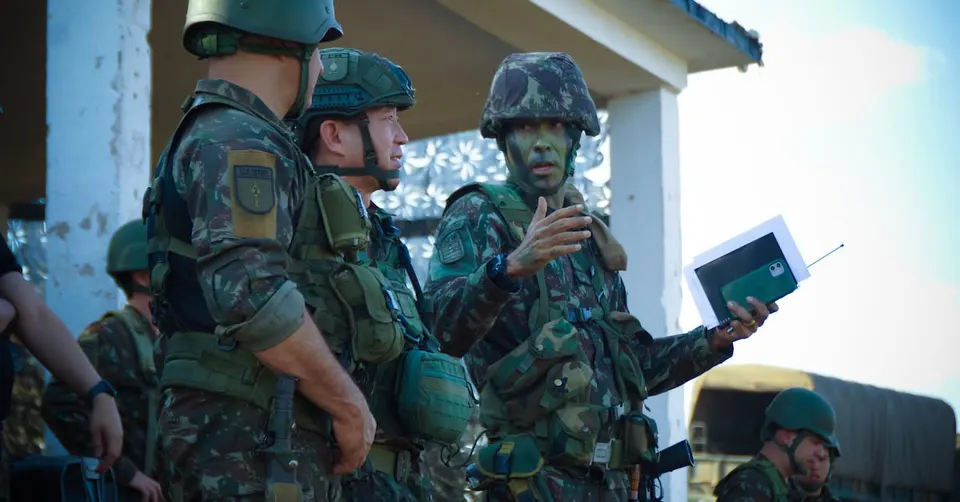
Simultaneously, Ayatollah Seyyed Mojtaba Hosseini Khamenei has issued fresh directives to the Iranian Armed Forces, emphasizing the need for absolute combat readiness. These directives are intended to strengthen the nation's defensive posture and ensure a decisive response to any hostile actions by external enemies. By combining a formal diplomatic response with a call for military vigilance, the Iranian leadership is signaling a dual-track strategy: a willingness to talk through intermediaries while maintaining a high-alert status to deter potential aggression. For the average Iranian citizen, this suggests a period of continued uncertainty where the risk of conflict remains balanced against the hope for a diplomatic breakthrough.
Market Snapshot: Toman Stabilizes While Gold Coin Retreats
As of 16:00 Tehran time, the domestic currency market shows a degree of resilience despite the geopolitical headlines. The US Dollar (USD) moved from 176,900 to 177,000 Toman, marking a marginal increase of +0.1% over the last 24 hours. This relative stability suggests that traders have already priced in much of the current regional tension, waiting for more concrete outcomes from the Pakistani-mediated talks. However, the price of the Emami coin saw a more pronounced shift, dropping from 195,500,000 to 194,000,000 Toman, a decrease of -0.8%. This dip in coin prices often reflects a shift in local liquidity or a temporary cooling of speculative demand as investors look for more definitive signals from the global gold market.
Gold 18k per gram followed the currency's lead, rising slightly from 20,192,067 to 20,203,379 Toman (+0.1%). Meanwhile, on the global stage, Bitcoin continues to trade near historic highs at $80,902, providing a digital alternative for those seeking to hedge against local currency volatility. The interplay between the stable USD rate and the falling gold coin price suggests a market that is cautious but not yet in a state of panic. Investors are closely monitoring the 177,000 Toman resistance level for the dollar, as a sustained break above this could trigger a wider inflationary response across other asset classes.
Global Security Concerns and Regional Diplomacy
The ripple effects of the Iran-US conflict are now being felt in the world of international sports. Security experts have warned that FIFA World Cup matches scheduled to be held in the United States face a heightened risk of terrorism linked to the ongoing tensions between the US, Israel, and Iran. Federal agencies are reportedly preparing for the possibility of 'lone actor' attacks radicalized by online rhetoric. This development underscores how regional geopolitical disputes can manifest as security vulnerabilities thousands of miles away, potentially impacting global events and international travel. The warning highlights the 'soft target' nature of large sporting events and the strain currently placed on global counter-terrorism resources.
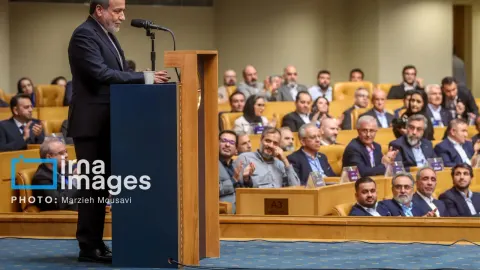
On the diplomatic front, regional players continue to act as vital shock absorbers. The Iranian Foreign Minister held a telephone conversation with his Qatari counterpart today to discuss the latest regional developments. Qatar has frequently served as a bridge between Iran and the West, and these high-level talks are often precursors to broader shifts in the regional security architecture. As the Scottish Labour leader Anas Sarwar faces domestic political challenges in the UK, and Saudi Aramco reports a 26% jump in profits despite the regional chaos, it is clear that the energy and political sectors are adapting to a 'new normal' of persistent friction and high-stakes diplomacy in West Asia.

Frequently Asked Questions
What was in Iran's response to the US proposal?
Why did the Emami gold coin price drop while USD rose?
What do the new military directives from the Leader imply?
Understanding Geopolitical Risk and Currency Valuation
Geopolitical risk refers to the potential for political instability, international conflicts, or policy shifts in one region to affect global markets and economies. These risks can stem from a variety of sources, including military tensions, trade disputes, elections, or significant policy changes by major powers. When such risks emerge, they create uncertainty, which can deter foreign investment, lead to capital flight, and impact the perceived stability of a nation's economy.
One of the most immediate and visible impacts of heightened geopolitical risk is on a country's currency valuation. Investors and businesses, seeking to protect their assets from potential instability or economic downturns, often move their capital to safer havens, typically denominated in more stable currencies like the U.S. dollar or the Euro. This increased demand for foreign currency, coupled with a decreased demand for the local currency, directly leads to the depreciation of the local currency. For example, in the context of Iran, ongoing discussions around proposals with the U.S. or new military directives from Ayatollah Khamenei are significant geopolitical factors. Any perceived escalation of tensions or uncertainty can rapidly influence the USD/IRR exchange rate, reflecting a decline in confidence in the Iranian Rial.
Currency depreciation, while sometimes seen as beneficial for exports, often brings considerable challenges. It makes imports more expensive, which can fuel inflation as the cost of essential goods and raw materials rises. For citizens, this translates to reduced purchasing power and a higher cost of living. Moreover, a weaker currency can make it harder for a country to service foreign debts, as more local currency is required to obtain the necessary foreign exchange. The price of assets like the Emami Coin, often seen as a store of value in times of economic uncertainty in Iran, also tends to react to these broader economic and geopolitical shifts.
Understanding this dynamic is crucial for interpreting global news. When headlines discuss diplomatic proposals, military posturing, or regional mediation efforts (like Pakistan's role between Iran and the U.S. or Iran-Qatar diplomacy), they are not just political developments; they are also economic indicators. The success or failure of such efforts can directly influence investor sentiment, capital flows, and ultimately, the stability and valuation of a nation's currency, profoundly affecting the daily lives of its citizens.
Topics
Related Articles