US Strikes Iran, Toman Slides as Geopolitical Tensions Flare
حملات آمریکا به ایران، سقوط تومان با تشدید تنشهای ژئوپلیتیکی
The U.S. military has escalated its campaign against Iran, striking key infrastructure in the country's south, including bridges and a control tower. This action has led to a notable slide in the Iranian Toman against the US dollar, reflecting heightened geopolitical anxieties.
At time of publishing
USD
191,100
Toman
Gold 18K
18.55M
Toman / gram
Bitcoin
$63,407
US Dollar
Tether
192,732
Toman
US Strikes Southern Iran, Escalating Conflict
The United States military, through its Central Command, announced a significant escalation in its operations against Iran, reporting strikes on numerous Iranian military targets in the country's southern regions. While the U.S. military claimed to have targeted military assets, reports from Iranian state television and other sources indicate that the strikes hit bridges in Hormozgan province, a vital transit route for Bandar Abbas, Iran’s primary port. Additionally, a control tower in Chabahar port on the Gulf of Oman, which the U.S. alleges the IRGC used to facilitate attacks on shipping, was also targeted. The U.S. further claimed to have struck key electrical infrastructure and the Iranshahr airport.
This latest round of strikes represents a notable intensification of the conflict, moving beyond earlier reports of focused attacks. The targeting of bridges and port infrastructure, even if claimed to be military in nature, carries a high risk of collateral damage and disruption to civilian life and trade. The Iranian government has stated that these actions resulted in civilian casualties, though independent verification is challenging amidst the ongoing conflict. The expansion of U.S. strikes into areas critical for commerce and transport raises concerns about the broader economic implications for Iran and regional trade routes.

Toman Continues Its Downward Spiral Amidst Conflict
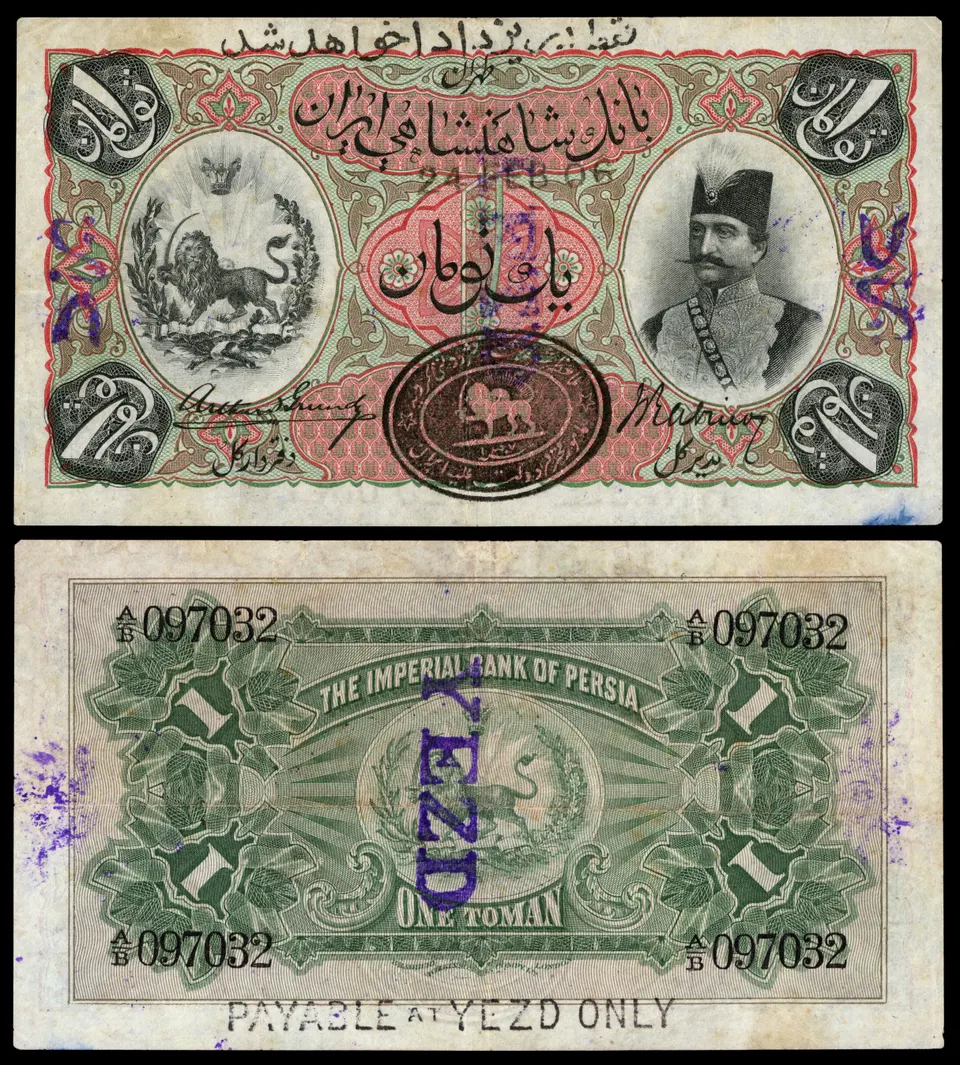
The ongoing military escalation between the U.S. and Iran continues to exert significant pressure on the Iranian Toman. In the last 24 hours, the USD/IRR exchange rate saw a notable increase, moving from 188,000 to 191,100, marking a 1.6% depreciation. This trend underscores the market's reaction to heightened geopolitical instability, with investors and the public flocking to perceived safe-haven assets like the U.S. dollar.
The implications of this currency slide are far-reaching for the Iranian populace. It directly translates to higher import costs for essential goods, exacerbating inflationary pressures that are already a significant concern. For ordinary Iranians, this means a decrease in purchasing power, making everyday necessities more expensive and impacting savings. The continued weakening of the Toman can erode confidence in the national economy, potentially leading to increased demand for foreign currency and gold, further destabilizing the market.
U.S. Economy Shows Resilience, But Risks Remain
Despite the escalating conflict in the Middle East and its potential to disrupt global energy markets, the U.S. economy has, thus far, demonstrated a surprising degree of resilience. Reports suggest that key economic pillars, such as consumer spending and business investment, have largely weathered the initial impact of the tensions. This suggests that the direct economic fallout from the Iran conflict has not yet significantly crippled the American economic engine, a stark contrast to what might have been expected given the strategic importance of the region.
However, this resilience should not be mistaken for immunity. The analysis emphasizes that the danger is far from over. The conflict's prolonged nature, the potential for wider regional destabilization, and the continued risk to critical shipping lanes like the Strait of Hormuz present ongoing threats. Any significant disruption to oil supplies or a broader economic shockwave could still have a material impact on U.S. markets and inflation. The current calm may be temporary, and the long-term consequences remain a significant unknown.

Frequently Asked Questions
What specific infrastructure did the U.S. strike in southern Iran?
How has the Iranian Toman performed against the US Dollar in the last 24 hours?
What is the current assessment of the U.S. economy in light of the Iran conflict?
What are the potential economic consequences of the strikes for Iran?
Understanding Currency Depreciation Amid Geopolitical Tensions
When news headlines report a country's currency 'slides' or 'weakens' in response to international events, they are describing a phenomenon known as currency depreciation. This economic term refers to a decrease in the value of one currency relative to another, often a major reserve currency like the US Dollar. For instance, if the Iranian Toman depreciates against the USD, it means you would need more Toman than before to purchase one US Dollar. This shift directly impacts purchasing power, trade, and economic stability.
While many factors influence a currency's value—such as interest rates, inflation, and a nation's trade balance—geopolitical instability is a particularly potent catalyst for rapid depreciation. When a region experiences conflict, political unrest, or heightened international tensions, as suggested by the keywords 'US strikes' and 'geopolitics,' investors and market participants perceive increased risk. This uncertainty often leads to a loss of confidence in the affected country's economic future and its ability to maintain stability.
The mechanism through which geopolitical risk triggers currency depreciation is straightforward: capital flight. Fearing potential losses or seeking safer havens, both domestic and international investors begin to move their assets out of the perceived risky country. To do this, they sell off local currency-denominated assets and convert their holdings into more stable currencies (like the USD, Euro, or even commodities like gold). This exodus of capital increases the supply of the local currency in foreign exchange markets while simultaneously boosting demand for the safe-haven currencies, inevitably driving down the local currency's value. Furthermore, new foreign investment typically dries up during such periods, exacerbating the depreciation.
The consequences of significant currency depreciation can be far-reaching. Imports become more expensive, potentially leading to higher inflation as the cost of foreign goods and raw materials rises. While exports might become cheaper and more competitive, the overall economic disruption and loss of investor confidence can outweigh these benefits. For ordinary citizens, a depreciating currency means a reduction in their purchasing power, making international travel, imported goods, and even essential foreign-denominated services more costly, directly impacting their daily lives.