TSMC’s 2026 Outlook Leads Global Markets as Hungary Ousts Orbán and Bitcoin Defies the Dip
چشمانداز ۲۰۲۶ غول تراشهسازی جهان در صدر اخبار؛ پایان عصر اوربان در مجارستان و پایداری بیتکوین
TSMC remains a focal point for tech investors as AI demand surges, while Hungary enters a new era under Péter Magyar following a historic political shift. Meanwhile, Bitcoin holds firm above $81,000 despite a slight cooling in Tehran's currency and gold markets.
At time of publishing
USD
176,200
Toman
Gold 18K
20.11M
Toman / gram
Bitcoin
$81,367
US Dollar
Tether
17,698.9
Toman
The TSMC Dilemma: Buy, Sell, or Hold in the 2026 AI Supercycle
As we move further into 2026, Taiwan Semiconductor Manufacturing Company (TSMC) remains the undisputed king of the global tech supply chain. The central question for investors today is whether the company’s current valuation accurately reflects its dominance in the AI hardware sector. With the S&P 500 recently hitting milestones that have only occurred three times in history, market analysts are cautious about whether the "Trump AI Rally" is nearing a point of exhaustion. TSMC’s role as the sole manufacturer for the world’s most advanced chips—used by NVIDIA, Apple, and AMD—gives it a moat that few companies can replicate, yet geopolitical tensions in the Taiwan Strait continue to weigh on its long-term risk profile.
For the average investor, the decision to buy or hold TSMC at this stage depends largely on their outlook for the "Agentic AI" era. As giants like Google and PayPal move toward crypto-integrated AI agents, the demand for high-performance silicon is expected to remain robust. However, some funds have begun trimming their exposure to broader tech indices, fearing that the rapid ascent of 2025 has left little room for further upside in 2026. If you are looking for stability, TSMC’s massive capital expenditure plans suggest they are betting on a decade of growth, but the volatility of the semiconductor cycle means that entry points matter more than ever.

Hungary’s New Era: Péter Magyar Ousts Viktor Orbán
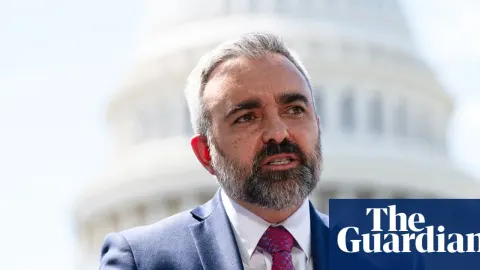
In a political earthquake that has stunned the European Union, Péter Magyar has officially taken office as Hungary’s Prime Minister, ending Viktor Orbán’s 16-year grip on power. In his first speech on Saturday, Magyar took the extraordinary step of apologizing to those who were maligned or wronged by the state during the Fidesz era. This shift marks a radical departure from the nationalist and often confrontational rhetoric that characterized Hungarian politics for nearly two decades. The streets of Budapest have been filled with a sense of optimism, symbolized by the return of the EU flag to the parliament building and the viral celebrations of the incoming cabinet members.
This transition is not just a local event; it has significant implications for EU unity and the geopolitical landscape of Eastern Europe. Under Orbán, Hungary often acted as a block to EU initiatives regarding Ukraine and internal democratic reforms. Magyar’s ascendancy suggests a pivot back toward the European mainstream, which could unlock frozen EU funds and stabilize the Hungarian Forint. However, questions remain about how Magyar will navigate the deep-seated influence of the Fidesz party within the state bureaucracy and whether he can deliver on his promises of transparency and judicial independence without triggering a domestic backlash.

UK Political Crisis: Starmer’s Leadership on the Brink
Across the English Channel, the United Kingdom is facing its own political reckoning. Former Deputy PM Angela Rayner has issued what many are calling a "last chance" warning to Prime Minister Keir Starmer following a series of bruising election defeats for the Labour Party. Rayner, who is backing Andy Burnham for a potential return to the front line, has called for bolder action and a departure from the cautious centrist path that has defined Starmer’s tenure. The internal friction within Labour comes at a time when the UK economy is struggling with sluggish growth and renewed inflationary pressures, leaving the government vulnerable to a leadership challenge.
For global markets, political instability in the UK often translates into volatility for the British Pound and British gilts. Investors are closely watching seven potential scenarios for Starmer’s survival, ranging from a cabinet reshuffle to a full-blown leadership contest. If the Labour Party pivots further to the left under pressure from the Rayner-Burnham faction, it could signal a shift in fiscal policy that might unnerve bond markets. At 22:00 Tehran time, the GBP sell rate stands at 240,300 Toman, reflecting a market that is pricing in significant domestic uncertainty in London.
Tehran Market Update: Gold and USD Dip Amid Naval Strategy Reports
In the local Iranian market, the start of the week has seen a minor cooling of prices across the board. The US Dollar sell rate moved from 176,900 to 176,200 Toman, marking a decrease of 0.4% over the last 24 hours. This downward trend was mirrored in the gold market, where 18k gold fell from 20,192,067 to 20,112,424 Toman per gram (-0.4%), and the Emami coin dropped by 0.5% to settle at 194,500,000 Toman. While these moves are relatively small, they suggest a temporary stabilization as traders digest the latest regional developments and the ongoing response to US peace proposals.
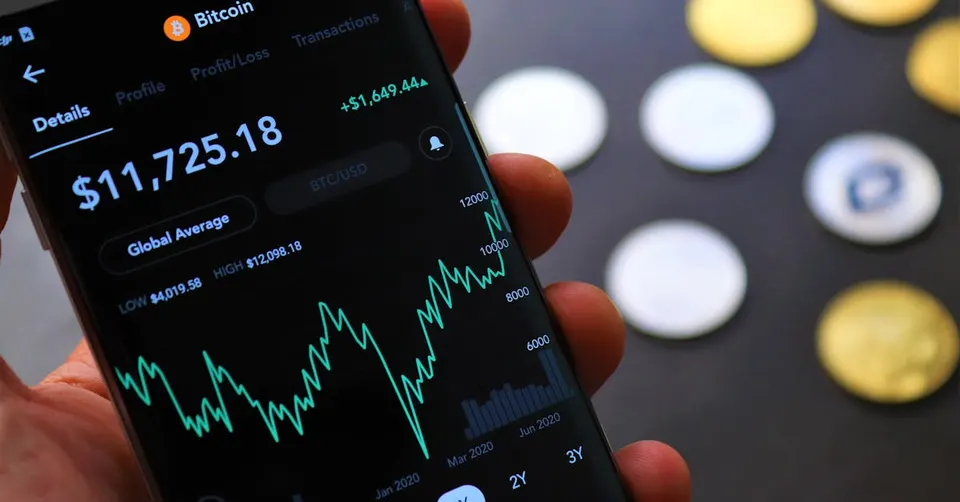
On the strategic front, new reports highlighting the role of Iran’s "midget submarines" in its naval doctrine have surfaced. These small but lethal vessels are a core component of Iran's asymmetric warfare strategy in the Persian Gulf and the Strait of Hormuz. By utilizing two distinct navies—the regular Navy and the IRGC Navy—Iran maintains a complex maritime presence that complicates international shipping security. Meanwhile, in the crypto world, Bitcoin continues to hold its ground above the $81,000 mark (currently $81,367), providing a hedge for local investors even as Ethereum struggles to maintain its pace against the market leader, dropping significantly in its BTC pairing over the last year.
Frequently Asked Questions
Why is TSMC's performance so critical for the 2026 market?
How does the change of government in Hungary affect the EU?
Why is the Iranian Rial strengthening slightly today?
Understanding the Semiconductor Supply Chain: The Global Brain behind AI and Modern Tech
The modern world, from your smartphone to advanced Artificial Intelligence, runs on semiconductors – tiny electronic chips that are the 'brains' of all digital devices. The process of getting these chips from raw materials to finished products involves an incredibly complex and globally interconnected network known as the Semiconductor Supply Chain. This chain is not just a series of steps; it's a highly specialized ecosystem where different countries and companies dominate specific, often irreplaceable, stages, making it a critical geopolitical and economic concern.
At its core, the supply chain begins with chip design, often done by companies like NVIDIA or ARM, which then license their designs. Next comes the highly capital-intensive and technologically demanding fabrication stage, dominated by 'foundries' like Taiwan Semiconductor Manufacturing Company (TSMC), which produces the actual silicon wafers. These foundries require specialized equipment from companies like ASML (Netherlands) and materials from various global suppliers. After fabrication, chips undergo assembly, testing, and packaging, often in different Asian countries, before being integrated into final products worldwide. Each stage demands immense precision, expertise, and investment, creating significant barriers to entry and fostering extreme concentration.
This intricate global web, while efficient, is also remarkably vulnerable. The concentration of advanced manufacturing capabilities in a few locations, particularly Taiwan, creates single points of failure. Geopolitical tensions, natural disasters, or even localized power outages can send shockwaves through the entire global economy, leading to chip shortages that impact everything from car production to data centers. The strategic importance of semiconductors has escalated, making the supply chain a focal point of international competition and national security strategies, as evidenced by the US-China tech rivalry.
The health and resilience of the semiconductor supply chain directly impact technological innovation and market dynamics. An "AI market rally," for instance, is heavily dependent on the consistent availability of cutting-edge chips capable of handling complex AI computations. Delays or disruptions in this supply chain can stifle innovation, slow economic growth, and significantly influence the valuations of tech companies. Conversely, advancements in manufacturing and supply chain efficiency can accelerate technological progress and fuel market optimism.
Recognizing these vulnerabilities, governments and industries worldwide are now investing heavily in diversifying semiconductor production, encouraging 'reshoring' or 'friend-shoring' initiatives. The goal is to build more resilient and geographically dispersed supply chains, reducing reliance on single points of failure and ensuring a stable flow of these essential components for future technological advancements and economic stability.
Topics
Related Articles