Trump Rejects Iran Peace Terms as Tensions Flare; USD Jumps 3.6% to 183,100 Toman
رد طرح صلح ایران توسط ترامپ و جهش قیمتها؛ دلار به ۱۸۳،۱۰۰ تومان رسید
Diplomatic hopes dimmed this hour as President Trump rejected Iran's counter-proposal, calling it 'totally unacceptable.' The breakdown in talks has triggered a sharp market reaction, with the US Dollar climbing to 183,100 Toman and Morgan Stanley warning of $150 oil if the Strait of Hormuz remains closed.
At time of publishing
USD
183,100
Toman
Gold 18K
20.69M
Toman / gram
Bitcoin
$81,132
US Dollar
Tether
18,175
Toman
The Diplomacy Deadlock: Trump Slams Iranian Counter-Proposal
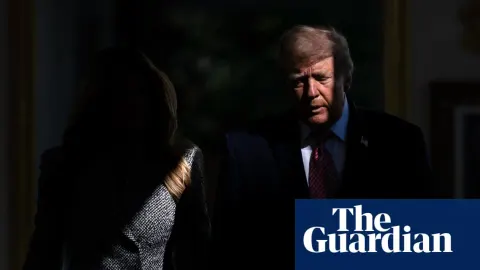
The fragile hope for a de-escalation in the ongoing regional conflict suffered a major blow this afternoon as President Donald Trump officially rejected Iran's counter-proposal for a peace plan. Trump characterized the Iranian response as "totally unacceptable," signaling a widening gap between Washington's demands and Tehran's red lines. The U.S. position, which reportedly includes a 20-year moratorium on nuclear enrichment and the transfer of Iran’s highly enriched uranium (HEU) stockpile to American soil, has met stiff resistance. According to reports, Tehran's counter-offer suggested a significantly shorter moratorium and a refusal to dismantle key nuclear facilities, leading to the current diplomatic stalemate.
This breakdown in communication comes at a critical time as the month-old ceasefire appears to be fraying at the edges. The market reaction was instantaneous and severe. In the last 24 hours, the USD/IRR exchange rate surged from 176,800 to 183,100, marking a 3.6% increase. This volatility reflects the deep-seated anxiety among investors and the general public that a prolonged conflict is now more likely than a negotiated settlement. For the average Iranian reader, this translates to immediate inflationary pressure on imported goods and a renewed rush toward hard assets to preserve purchasing power.

A 'Race Against Time': Morgan Stanley Warns of $150 Oil
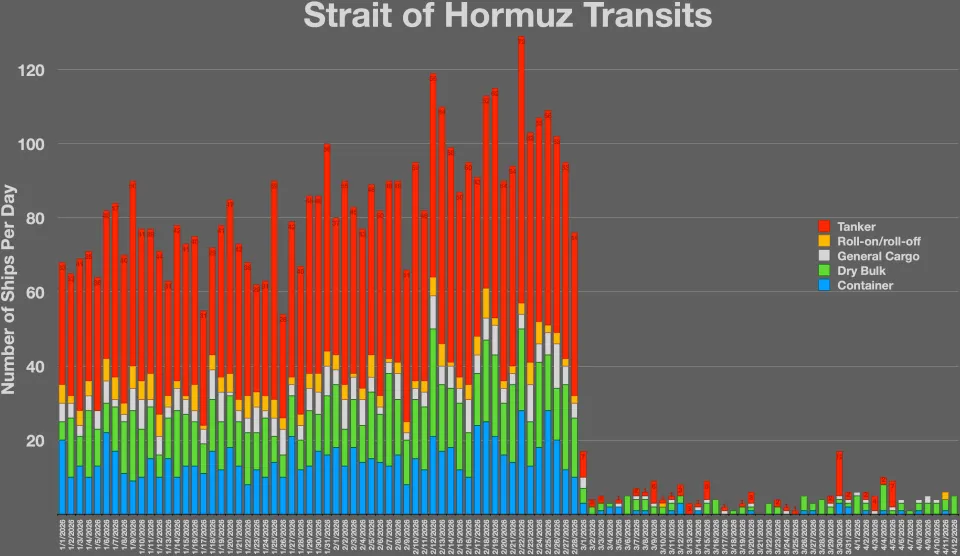
As the Strait of Hormuz remains a primary chokepoint in this conflict, Morgan Stanley has issued a dire warning to global markets. The investment bank suggests that we are currently in a "race against time," as the buffers that have prevented oil prices from reaching record highs are rapidly depleting. Currently, soaring U.S. exports and reduced demand from China have acted as a temporary cushion, but these factors may not last beyond June. If the Strait remains closed through the summer, analysts predict Brent crude could skyrocket to $150 per barrel, a level that would trigger a global economic recession.
In Iran, the domestic gold market is already pricing in this catastrophic scenario. The price of 18k gold has risen by 2.9% in the last 24 hours, moving from 20,112,424 to 20,692,321 Toman per gram. Similarly, the Emami coin has jumped to 199,500,000 Toman, a 2.6% increase. These movements indicate that the local market is no longer waiting for official news; it is reacting to the physical reality of supply chain disruptions and the looming threat of a total energy blockade. The closure of Hormuz is not just a geopolitical lever; it is becoming a permanent fixture in the regional economic calculation.
Geopolitical Spillover: Iraqi Probes and the China Factor
The conflict is increasingly leaking across borders, with Iraqi lawmakers now demanding an official investigation into reports of a secret Israeli military base within the Iraqi desert. These allegations suggest that the base was used to support recent air campaigns against Iranian interests. While these reports remain unverified, the mere existence of the debate in the Iraqi parliament highlights the fragility of regional sovereignty and the potential for the war to expand into a multi-front disaster. For Tehran, the prospect of Israeli assets operating in a neighboring state adds a layer of strategic paranoia that complicates any future peace negotiations.
Meanwhile, all eyes are on President Trump’s scheduled visit to China this week to meet with Xi Jinping. This will be the first visit by a U.S. president to Beijing in nearly a decade, but the atmosphere is far from celebratory. The summit is expected to be dominated by the Iran war and its impact on global trade. China, facing a jump in its own CPI to 1.2% due to rising energy costs, is under immense pressure to mediate. However, with Trump’s recent rejection of the peace bid, the Beijing summit may focus more on managing the fallout of a long-term war rather than finding an immediate exit strategy. For the global economy, the stakes of this meeting could not be higher.

Watch
Trump calls Iran's latest response to proposal 'TOTALLY UNACCEPTABLE'
ABC News
Frequently Asked Questions
Why did Donald Trump reject the Iranian peace counter-proposal?
How has the USD/IRR rate responded to the failed diplomacy?
What is Morgan Stanley's 'race against time' warning for oil markets?
Are there new developments regarding the military situation in Iraq?
Geopolitical Risk and Currency Valuation
Geopolitical risk refers to the possibility of political events, conflicts, or instability in a region impacting global or local economic conditions. The headline, describing escalating tensions between the US and Iran and a significant jump in the USD/IRR exchange rate, perfectly illustrates how such risks directly affect currency valuation. When geopolitical tensions flare, investors and market participants often react by seeking safety, leading to a phenomenon known as a "flight to safety."
In times of uncertainty, the U.S. dollar (USD) typically acts as a primary safe-haven currency due to the perceived stability of the U.S. economy and its deep, liquid financial markets. As investors move their capital out of riskier assets or regions perceived to be unstable, they convert it into safe-haven currencies like the dollar. This increased demand for the USD causes it to appreciate against other currencies, as seen with the 3.6% jump against the Iranian Toman (IRR). Conversely, the currency of the region experiencing instability, in this case, the Toman, depreciates significantly as capital flows out and confidence wanes.
Beyond the immediate currency movements, geopolitical instability can have broader economic consequences. For countries like Iran, heightened tensions can disrupt trade routes (such as the Strait of Hormuz, crucial for oil shipments), deter foreign investment, and exacerbate domestic inflation. The mention of the "Emami coin price hike" in the keywords highlights a common domestic response: citizens often turn to physical assets like gold coins as a hedge against currency depreciation and rising inflation, further reflecting a lack of confidence in the national currency and economic outlook. Ultimately, geopolitical risks introduce volatility and uncertainty, making economic planning difficult and potentially leading to a sustained weakening of the affected nation's currency and economy.
Topics
Related Articles