Morgan Stanley Warns of $150 Oil as Hormuz Closure Exhausts Global Buffers; USD Hits 182,900
هشدار مورگان استنلی درباره نفت ۱۵۰ دلاری؛ دلار در بازار تهران به ۱۸۲،۹۰۰ تومان رسید
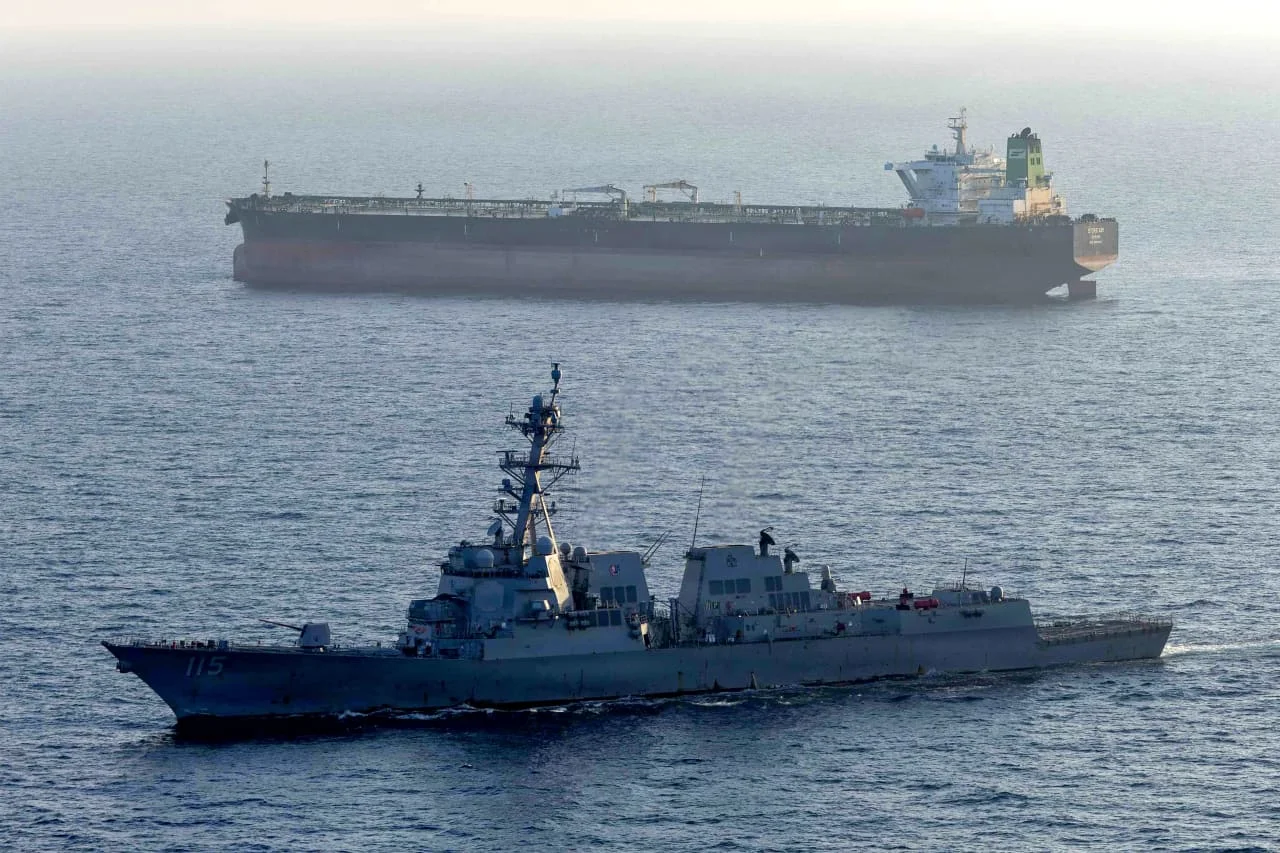
Oil markets are entering a high-stakes 'race against time' as the Strait of Hormuz remains closed, potentially pushing Brent to $150 by summer. Meanwhile, the Iranian Toman continues its slide, with USD rising 3.5% in 24 hours following the rejection of diplomatic peace terms.
At time of publishing
USD
182,900
Toman
Gold 18K
20.77M
Toman / gram
Bitcoin
$81,288
US Dollar
Tether
18,138.2
Toman
The 'Race Against Time' for Global Oil Markets
Morgan Stanley has issued a stark warning to global energy markets, describing the current situation as a "race against time." As the Strait of Hormuz remains effectively closed due to the ongoing regional conflict, the investment bank suggests that Brent crude could surge to $150 per barrel by this summer. While oil prices have been somewhat tempered by increased U.S. exports and a reduction in Chinese imports, these buffers are rapidly exhausting. If the chokepoint does not reopen by the end of June, the world could face a supply shock unlike anything seen in decades.
The logic behind this forecast lies in the depletion of global inventories. Currently, the market is surviving on strategic reserves and rerouted supplies, but the logistics of bypassing the Persian Gulf are becoming prohibitively expensive. Morgan Stanley notes that once the current surplus in the Atlantic Basin is absorbed, there will be no remaining safety net to prevent a parabolic price move. This scenario places immense pressure on global policymakers to find a diplomatic resolution before the economic cost of the blockade becomes permanent.

---
Japan Pivots to Central Asia Amid Middle East Chaos
In a historic shift for energy security, Japan is set to receive its first shipment of Central Asian crude since the outbreak of the war in Iran. The Japanese Industry Ministry confirmed that a tanker carrying Azerbaijani crude is expected to arrive this Tuesday. For a nation that has historically relied on the Middle East for nearly 90% of its oil requirements, this move represents a desperate and necessary diversification. The sudden disruption of Persian Gulf supplies forced Tokyo to scramble for alternatives, leading to this landmark deal involving Caspian Sea resources.
This pivot is not without its challenges. Rerouting oil from Central Asia to East Asia involves complex pipeline and maritime logistics that significantly increase the landed cost of energy. However, for resource-poor Japan, the priority has shifted from price efficiency to absolute availability. This trend is being mirrored across other Asian economies, such as South Korea and Taiwan, which are also seeking to decouple their energy grids from the volatile Middle Eastern corridor. This suggests that even if the war ends tomorrow, the global energy map has been permanently redrawn.
---
Toman Collapses as Diplomatic Hopes Fade
The Iranian currency market reacted with extreme volatility today following the failure of the latest diplomatic peace bid. In the last 24 hours, the USD/IRR exchange rate moved from 176,800 to 182,900, representing a sharp 3.5% depreciation of the Toman. This surge in the dollar is mirrored in the precious metals market, where 18k gold rose from 20,112,424 to 20,773,119 Toman per gram (+3.3%). The psychological barrier of the 200-million-Toman Emami coin has also been breached, as it climbed 2.8% to reach that historic milestone.

Investors are clearly pricing in a "no-deal" scenario after the Trump administration labeled Iran's latest peace terms as "totally unacceptable." The domestic market is now bracing for a prolonged period of isolation and high energy-driven inflation. With the prospect of $150 oil looming globally, the cost of imports is expected to skyrocket, further fueling the demand for hard currency as a hedge against local inflation. The gap between the free market rate and the official rate continues to widen, creating significant arbitrage opportunities and further destabilizing the retail economy.
---
Wall Street’s Tech Tightrope and the AI Factor
Global equity markets are currently walking a precarious tightrope. While the S&P 500 remains near record highs, analysts at JPMorgan and MarketWatch warn that this performance is dangerously concentrated. A handful of massive technology companies are doing the heavy lifting, masking broader weakness in the industrial and consumer sectors. This "narrow leadership" makes the index highly vulnerable to any negative earnings surprises from the tech giants, particularly as the Middle East crisis begins to impact global shipping and energy costs.

Interestingly, JPMorgan points out that the next leg of the AI boom might not come from the United States but from emerging markets in Asia. These tech stocks offer superior exposure to the AI hardware supply chain at significantly better valuations than their Silicon Valley counterparts. As the dollar shows signs of fatigue against major currencies (despite its strength against the Toman), global investors are beginning to rotate capital toward these undervalued Asian tech plays. This shift could provide a safety valve for investors looking to escape the high-valuation trap of the U.S. market while still maintaining exposure to transformative technology.
Frequently Asked Questions
Why is Morgan Stanley predicting $150 oil?
How much has the US Dollar risen in Iran today?
What is the significance of Japan receiving Azerbaijani crude?
Is the US stock market crash imminent?
The Strategic Importance of the Strait of Hormuz for Global Energy Security
The Strait of Hormuz is arguably the most critical oil chokepoint in the world, a narrow waterway connecting the Persian Gulf to the open ocean. It is geographically positioned between Oman and Iran, and its strategic significance stems from the sheer volume of oil that transits through it daily. Approximately one-fifth of the world's total petroleum consumption, and a substantial portion of global liquefied natural gas (LNG) trade, passes through this strait. This makes it an indispensable artery for the global energy supply, particularly for major economies in Asia, Europe, and North America.
Any significant disruption or closure of the Strait of Hormuz would have immediate and catastrophic consequences for global energy markets and the world economy. With such a large percentage of crude oil and refined products flowing through this single chokepoint, a blockage would instantly create a massive supply shock. Oil prices would skyrocket, potentially reaching the $150 per barrel forecast mentioned in the headline, as global strategic petroleum reserves and other buffers would quickly be exhausted. This scenario would trigger severe economic recessions worldwide, impacting everything from transportation costs to manufacturing and consumer prices.
The geopolitical landscape surrounding the Strait of Hormuz is perpetually tense, making it a flashpoint for international relations. Iran, situated on the northern side of the strait, has historically threatened to close it in response to international sanctions or military provocations. Such threats, whether realized or not, inject a significant geopolitical risk premium into oil prices. Nations heavily reliant on imported oil, like Japan (mentioned in the keywords), maintain constant vigilance and seek diversification strategies to mitigate this inherent vulnerability, though finding viable alternatives for such a massive volume is exceedingly difficult.
Understanding the Strait of Hormuz is fundamental to grasping the dynamics of global energy security and international economics. Its vulnerability underscores the fragility of the world's energy supply chains and the profound impact that regional conflicts can have on global stability and prosperity. The ongoing threats and political posturing around this waterway ensure that it remains a focal point for policymakers, energy analysts, and anyone concerned with the future of global trade and economic health.
Topics
Related Articles