Sarkozy Trial Nears End as Trump Rejects Iran Peace Bid, Sending Toman to 183,000
پایان محاکمه سارکوزی و رد طرح صلح ایران توسط ترامپ؛ جهش دلار به ۱۸۳ هزار تومان
Global markets are reeling as Donald Trump officially rejects Tehran's latest peace proposal, causing the Iranian Toman to plunge 3.5% in a single day. Meanwhile, French prosecutors deliver closing arguments in the historic Libya-finance trial of former President Nicolas Sarkozy.
At time of publishing
USD
183,050
Toman
Gold 18K
20.96M
Toman / gram
Bitcoin
$81,034
US Dollar
Tether
18,199.5
Toman
The Ghost of Libya: Sarkozy’s Legal Reckoning Reaches a Climax
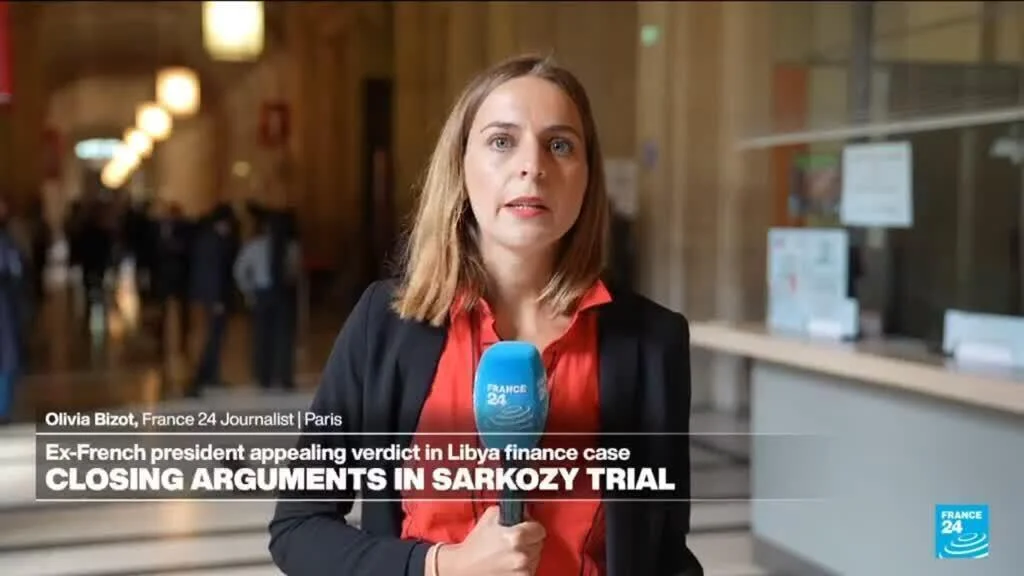
In a Parisian courtroom today, the long-running legal saga of former French President Nicolas Sarkozy entered its final stages. Prosecutors presented their closing arguments in the appeal trial concerning allegations that Sarkozy’s 2007 presidential campaign was illegally funded by the regime of the late Muammar Gaddafi. This case, which has spanned over a decade, represents a seismic moment for European politics, highlighting the murky intersections of high-level diplomacy and international finance. For Iranian observers, the trial serves as a stark reminder of how historical foreign entanglements and clandestine financial deals can destabilize even the most established Western political figures years after the fact.
Olivia Bizot reports that the prosecution has remained steadfast in its pursuit of accountability, arguing that the integrity of the French electoral system was compromised by Libyan millions. As Sarkozy fights to clear his name, the trial’s outcome is expected to influence French foreign policy and its future posture toward Middle Eastern states. The case underscores a broader theme in global geopolitics: the increasing scrutiny of how sovereign wealth and state actors influence democratic processes. If the verdict stands, it could signal a permanent shift in how Europe manages its financial and diplomatic relationships with regional powers.
Diplomacy at a Deadlock: Trump Rejects Tehran’s Peace Proposal
The fragile hope for a regional ceasefire was dealt a significant blow this Monday as the Trump administration formally rejected a peace proposal submitted by Tehran through Pakistani mediators. The proposal, which aimed to de-escalate the ongoing conflict in the Middle East, was dismissed by the White House as "unacceptable," leading to an immediate spike in regional tensions. This rejection has left the two nations at a dangerous impasse, with reports of renewed exchanges of fire in the Persian Gulf and increased hostilities between Israel and Hezbollah. The move signals that the U.S. is committed to a "maximum pressure" strategy, leaving little room for the diplomatic maneuvers that markets had been cautiously pricing in.
For the average Iranian citizen, this political deadlock translates directly into economic anxiety. As the ceasefire grows shaky, the risk of a broader military confrontation looms over the Strait of Hormuz, a vital artery for global energy and local trade. The rejection of the proposal has effectively extinguished the short-term hope for sanctions relief or a stabilization of the currency. International affairs analysts suggest that the next few weeks will be critical, as both sides appear to be testing the limits of their military and economic deterrence, with no clear exit ramp in sight for the diplomatic crisis.
Market Turmoil: USD Hits 183,000 as Aramco Warns of Oil Chaos
The economic fallout from the diplomatic breakdown was instantaneous. In the Tehran free market, the USD/IRR exchange rate surged from 176,800 to 183,050, representing a sharp 3.5% depreciation of the Toman within 24 hours. Gold prices followed suit, with 18k gold jumping 4.2% to reach 20,964,495 Toman per gram. This volatility is being driven by a combination of local panic and global energy fears. Saudi Aramco’s CEO, Amin Nasser, added fuel to the fire by stating that the oil market will not return to normalcy this year if the Iran conflict isn’t resolved within weeks. This warning has sent Brent crude futures soaring, as traders brace for a prolonged disruption in supply.
Investors are increasingly moving toward safe-haven assets as the "melt-up" in global markets reaches a fever pitch. On Wall Street, veteran analyst Ed Yardeni noted that the S&P 500 is hitting targets that were previously unthinkable, driven by a desperate search for growth amid geopolitical instability. However, for the Iranian market, this global trend is overshadowed by the local cost of living crisis. The Emami coin has risen 3.3% to 201,000,000 Toman, reflecting a deep lack of confidence in the current diplomatic trajectory. As long as the threat of a Hormuz closure remains on the table, the pressure on the Toman is unlikely to subside, forcing households to hedge against further inflation.
Crypto Resilience: Tom Lee’s Bitmine Continues ETH Accumulation
Despite the geopolitical clouds, the cryptocurrency market remains a focal point for institutional and retail investors alike. Bitcoin is currently holding steady above the $81,000 mark, even as analysts warn that whale selling and Iran-related tensions are creating a "cloudy" outlook. Interestingly, Tom Lee’s Bitmine has signaled that the "crypto spring" is well underway, despite a slight slowdown in their aggressive Ether purchases. The firm, which has already acquired over 1 million ETH this year, bought another 26,659 tokens last week. This massive accumulation suggests that large-scale players are betting on the long-term utility of the Ethereum network, regardless of short-term regional volatility.
For Iranian crypto enthusiasts, the stability of Bitcoin at $81,034 provides a rare hedge against the domestic currency's collapse. While USDT is trading at 18,200 Toman, mirroring the rise in the greenback, the broader crypto market is showing signs of decoupling from traditional geopolitical shocks. The fact that institutions like Neuberger are backing Ripple Prime with $200 million debt lines indicates that the infrastructure of the digital asset economy is maturing. However, the immediate future remains tied to the headline risk coming out of the Middle East; any further escalation could trigger a liquidity crunch that even the most bullish analysts, like Tom Lee, would find difficult to navigate.
Watch
Closing arguments in Sarkozy trial: Ex-French pdt appealing verdict in Libya finance case
FRANCE 24 English
Frequently Asked Questions
Why did the USD/IRR exchange rate jump 3.5% today?
What are the specific charges in the Nicolas Sarkozy trial?
How is Saudi Aramco's warning affecting global markets?
Is Bitcoin still a safe hedge for Iranian investors at $81,000?
Topics
Related Articles