Modi Urges Austerity as Iran War's Economic Shadow Lengthens; AI Hacking Threat Grows
مودی خواستار ریاضت شد؛ سایه اقتصادی جنگ ایران سنگینتر میشود؛ تهدید هک با هوش مصنوعی افزایش مییابد
Indian Prime Minister Narendra Modi has called on citizens to curtail foreign travel and gold purchases, citing economic pressures from the ongoing conflict in Iran. Meanwhile, Google warns that AI-powered hacking has escalated into a widespread, industrial-scale threat, impacting global cybersecurity.
At time of publishing
USD
182,300
Toman
Gold 18K
20.94M
Toman / gram
Bitcoin
$81,267
US Dollar
Tether
18,143.9
Toman
Modi Calls for Austerity Amid Iran War Economic Fallout
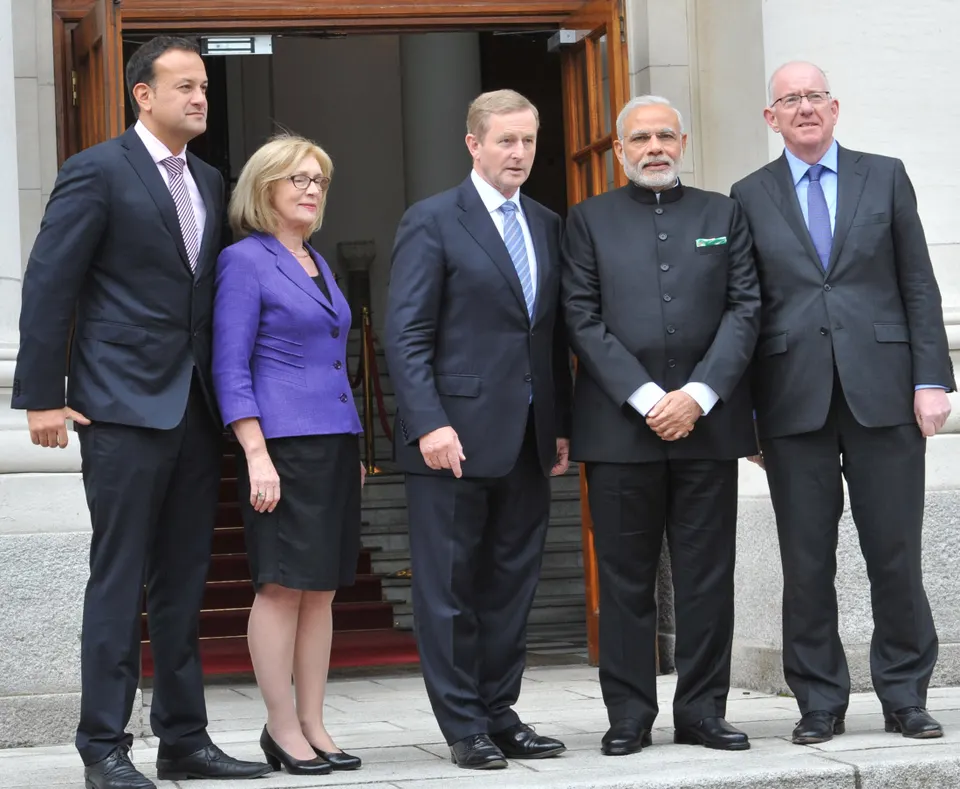
Indian Prime Minister Narendra Modi has urged his citizens to embrace austerity, specifically by reducing foreign travel and gold purchases. This directive comes as the prolonged conflict in Iran continues to cast a long economic shadow, impacting global markets and potentially straining India's foreign exchange reserves. Modi's appeal suggests a strategic move to conserve national resources and mitigate the inflationary pressures and supply chain disruptions that often accompany protracted geopolitical conflicts.
The 'why' behind this call to austerity is multifaceted. The war in Iran has disrupted energy supplies and created significant volatility in commodity markets, including gold, which is traditionally seen as a safe haven by many Indians. By discouraging gold purchases, Modi aims to reduce demand for a precious metal often imported, thereby easing pressure on the rupee and strengthening domestic investment. Similarly, cutting back on foreign travel helps conserve foreign currency. This move also signals to the international community that India is taking its economic security seriously in a turbulent global environment, potentially influencing currency expectations and trade relations with partners.
---
AI-Powered Hacking Surges to Industrial Scale, Google Reports
Google's threat intelligence group has issued a stark warning: AI-powered hacking has rapidly evolved from a niche concern to an industrial-scale threat. The report indicates that criminal organizations and state-sponsored actors are leveraging advanced AI models, particularly those adept at coding, to identify and exploit software vulnerabilities with unprecedented speed and efficiency. This surge signifies a critical escalation in the cybersecurity landscape, as malicious actors can now automate and amplify their attacks, posing a significant risk to businesses, governments, and individuals worldwide.

The implications of this development are profound. The ease with which AI can generate sophisticated code and probe for weaknesses means that traditional cybersecurity measures may become less effective. This industrialization of hacking threatens to overwhelm defenses, leading to more frequent and damaging data breaches, financial fraud, and disruption of critical infrastructure. For businesses and governments, it necessitates a rapid adaptation of defensive strategies, focusing on proactive threat hunting, AI-driven security solutions, and enhanced incident response capabilities. The trend also raises urgent questions about the regulation of AI development and deployment, particularly concerning its dual-use potential.
---
Musk vs. Altman: OpenAI's Future Hangs in the Balance
The high-stakes legal battle between Elon Musk and OpenAI CEO Sam Altman is entering a critical phase, with the outcome poised to significantly shape the future of artificial intelligence. Musk's lawsuit, filed in 2024, accuses OpenAI of abandoning its original mission to develop AI for the benefit of humanity, instead prioritizing profit. This legal showdown is not merely a corporate dispute; it represents a fundamental debate about the ethical direction and control of one of the world's most powerful AI companies.

The core of the dispute lies in OpenAI's transition from a non-profit research organization to a capped-profit entity, a move Musk argues violates its founding principles. The trial will scrutinize OpenAI's internal decision-making, its relationship with major investor Microsoft, and the very definition of 'benefiting humanity.' A ruling in Musk's favor could lead to significant restructuring at OpenAI, potentially impacting the development and accessibility of its flagship products like ChatGPT. Conversely, a win for Altman could solidify OpenAI's current trajectory and its commercial partnerships, setting a precedent for how AI companies balance innovation with ethical oversight and public good.
---
European Energy Majors Reap Billions from Market Volatility
Major European oil companies, including BP, Shell, and TotalEnergies, have reported substantial profits, accumulating billions in trading windfalls during the first quarter. These gains are largely attributed to the extreme market volatility fueled by the ongoing conflict in Iran, which has significantly disrupted global energy supplies and created price fluctuations. The companies' sophisticated trading desks have capitalized on these turbulent conditions, converting geopolitical instability into significant financial gains, further highlighting the interconnectedness of global conflicts and corporate profitability.
The war in Iran has created a complex energy market dynamic. While end consumers face potential price hikes and supply uncertainties, the large integrated energy firms with robust trading operations have been able to profit from the price swings and supply dislocations. This windfall for energy majors raises questions about market fairness and the broader economic impact on nations reliant on energy imports. For regions like Iran, the continued conflict exacerbates economic challenges, while for importing nations, it fuels inflationary pressures and necessitates strategic adjustments to energy procurement and consumption patterns.
---
Market Watch: USD/IRR Surges, Gold and Emami Coins Rally
The Iranian Rial has experienced a significant depreciation against the US Dollar over the past 24 hours, with the USD/IRR exchange rate moving from 176,800 to 182,300, marking a substantial increase of 3.1%. This sharp rise in the dollar's value against the Toman reflects ongoing market anxieties, likely exacerbated by regional geopolitical tensions and their spillover effects on the Iranian economy. Such currency movements typically impact import costs and can contribute to inflationary pressures within the country.

In parallel, the price of gold and gold coins has also seen a notable uptick. The 18k gold gram price has risen by 4.1%, moving from 20,112,424 Toman to 20,937,716 Toman. Similarly, the Emami coin price has increased by 2.8%, from 194,500,000 Toman to 200,000,000 Toman. These rallies in gold prices often occur during periods of heightened geopolitical uncertainty and currency devaluation, as investors seek safe-haven assets. The simultaneous rise in the dollar and gold prices suggests a complex market environment where both a stronger dollar and an increased demand for tangible assets are at play, driven by a confluence of factors including global instability and currency concerns specific to the Iranian market.
Frequently Asked Questions
Why is Indian Prime Minister Modi urging austerity measures?
What is the nature of the AI-powered hacking threat reported by Google?
What is the central issue in the court battle between Elon Musk and Sam Altman over OpenAI?
How are European energy companies profiting from the current geopolitical situation?
What market movements are observed in Iran today?
Understanding Austerity Measures
When a nation faces significant economic challenges, such as a burgeoning national debt, a severe recession, or the financial strain imposed by geopolitical conflicts, governments often consider implementing austerity measures. Austerity refers to a set of fiscal policies aimed at reducing government budget deficits and accumulating debt, primarily through cuts in public spending, and sometimes accompanied by tax increases. The goal is to restore fiscal discipline, reassure financial markets, and prevent a sovereign debt crisis, but these measures can have profound societal impacts.
Common austerity measures include significant reductions in public services like healthcare, education, and social welfare programs. Governments might also freeze or cut public sector wages, delay or cancel large infrastructure projects, and introduce new taxes or increase existing ones. In the context of a prolonged conflict, such as the "Iran War's Economic Shadow" mentioned in the headline, a nation's economy can be severely impacted by disruptions to trade, increased defense spending, and volatility in commodity markets, particularly energy prices. These pressures can deplete national coffers and necessitate difficult choices regarding public finances, leading leaders like Narendra Modi to urge austerity.
While proponents argue that austerity is essential for long-term economic stability, preventing runaway debt and inflation, critics highlight its potential downsides. Austerity can lead to reduced economic growth, increased unemployment, and a widening of social inequality as vulnerable populations bear the brunt of public service cuts. The debate over the effectiveness and social cost of austerity is ongoing, with economists often divided on whether deep cuts during a downturn exacerbate the crisis or provide a necessary foundation for recovery. Understanding austerity helps clarify the difficult balancing act governments face in managing national finances amidst global uncertainties.
Topics
Related Articles